
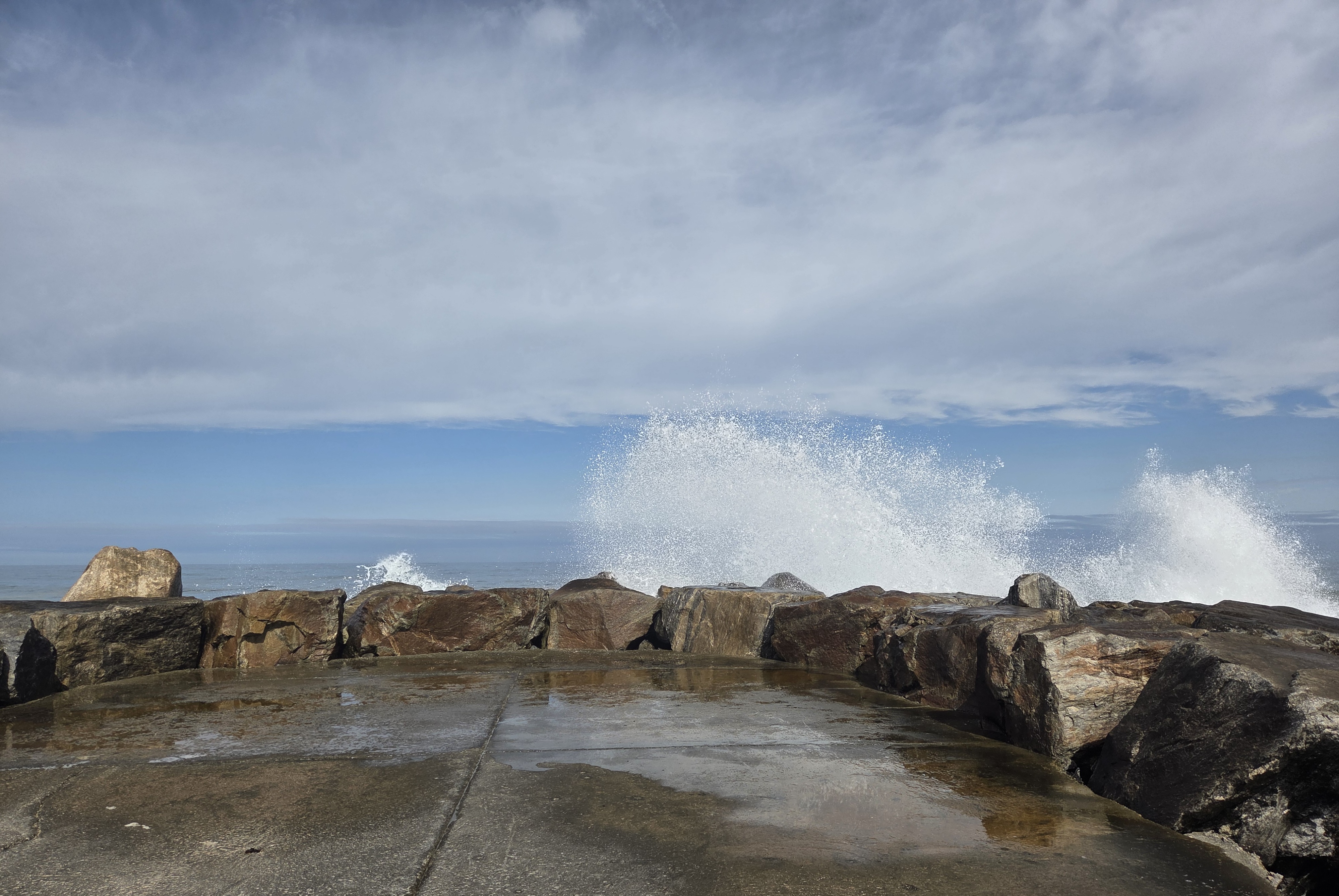
We only surf during low tide so midday I took a few pictures of the mighty Atlantic.
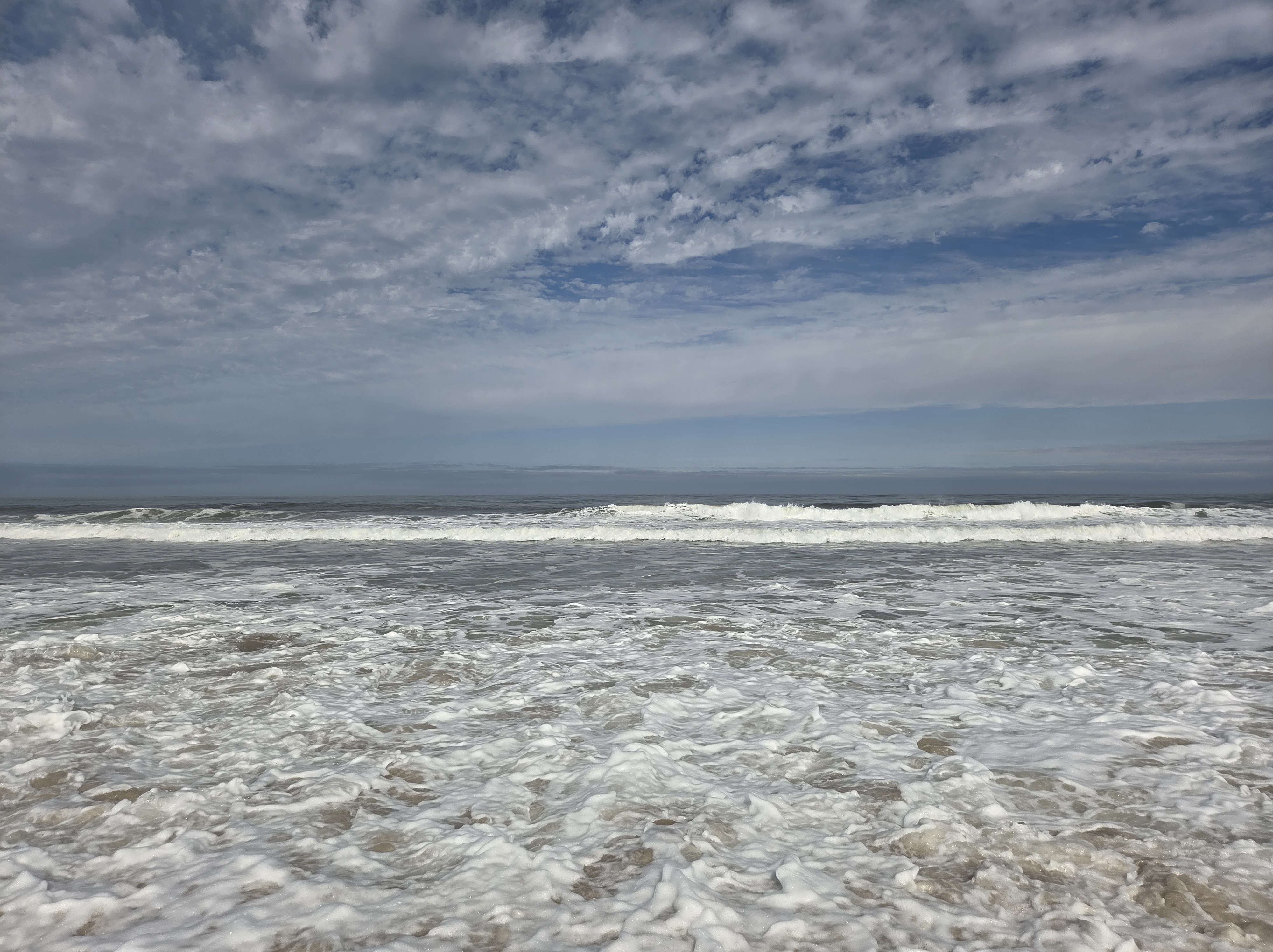
It was a very pretty day for a stroll along the beach.

It was a stunning evening for a walk down the shore.
We only surf during low tide so midday I took a few pictures of the mighty Atlantic.
It was a very pretty day for a stroll along the beach.
It was a stunning evening for a walk down the shore.
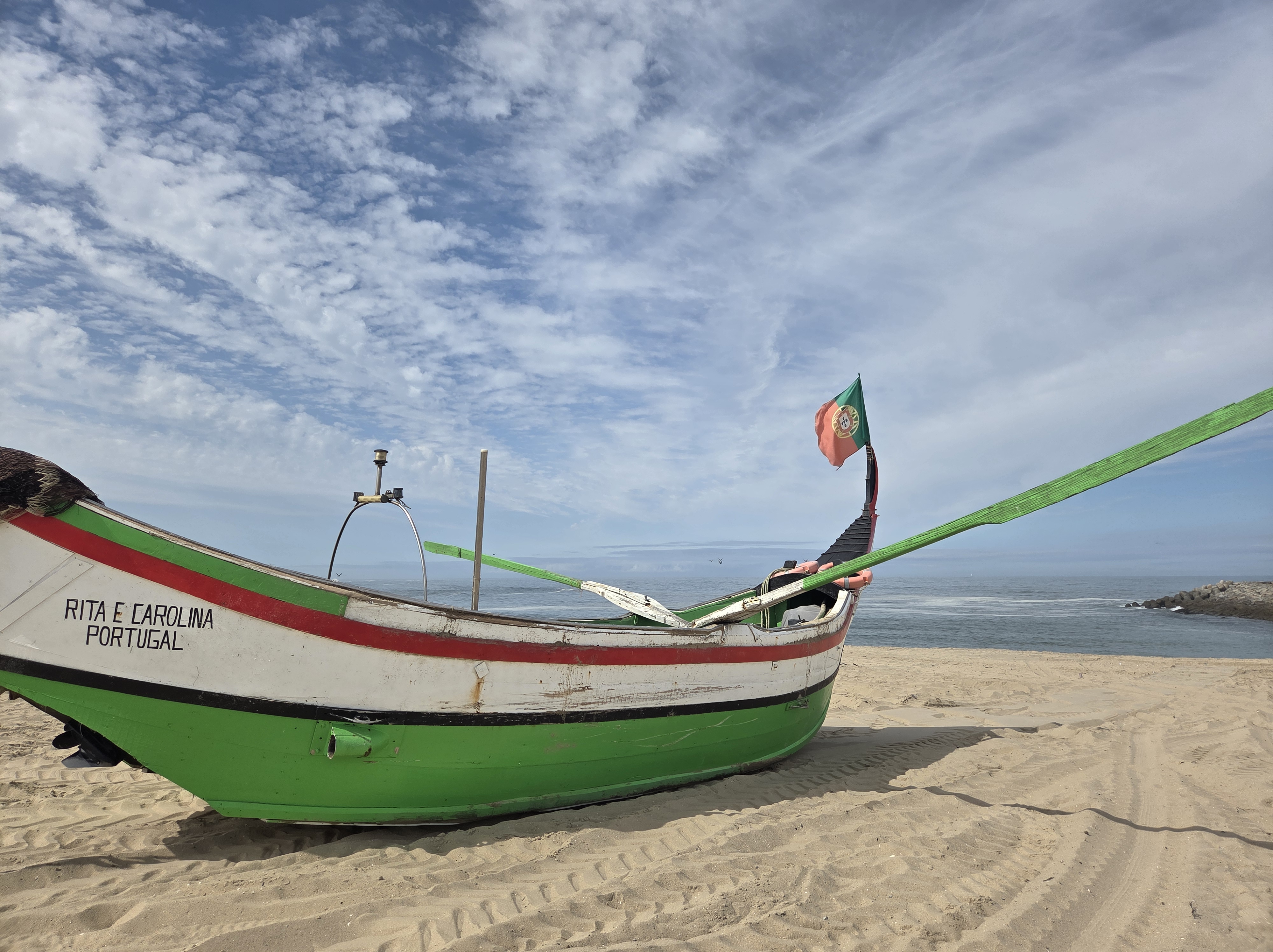
Today was a rest day so instead of surfing, I did a little exploring. I came across this boat, Rita e Carolina, which is said to be the last one that keeps the art of dragging, a traditional artisanal fishing technique, alive in Espinho.

The Vamos Andando could also do the job but is now displayed in front of the Espinho Town Hall instead.
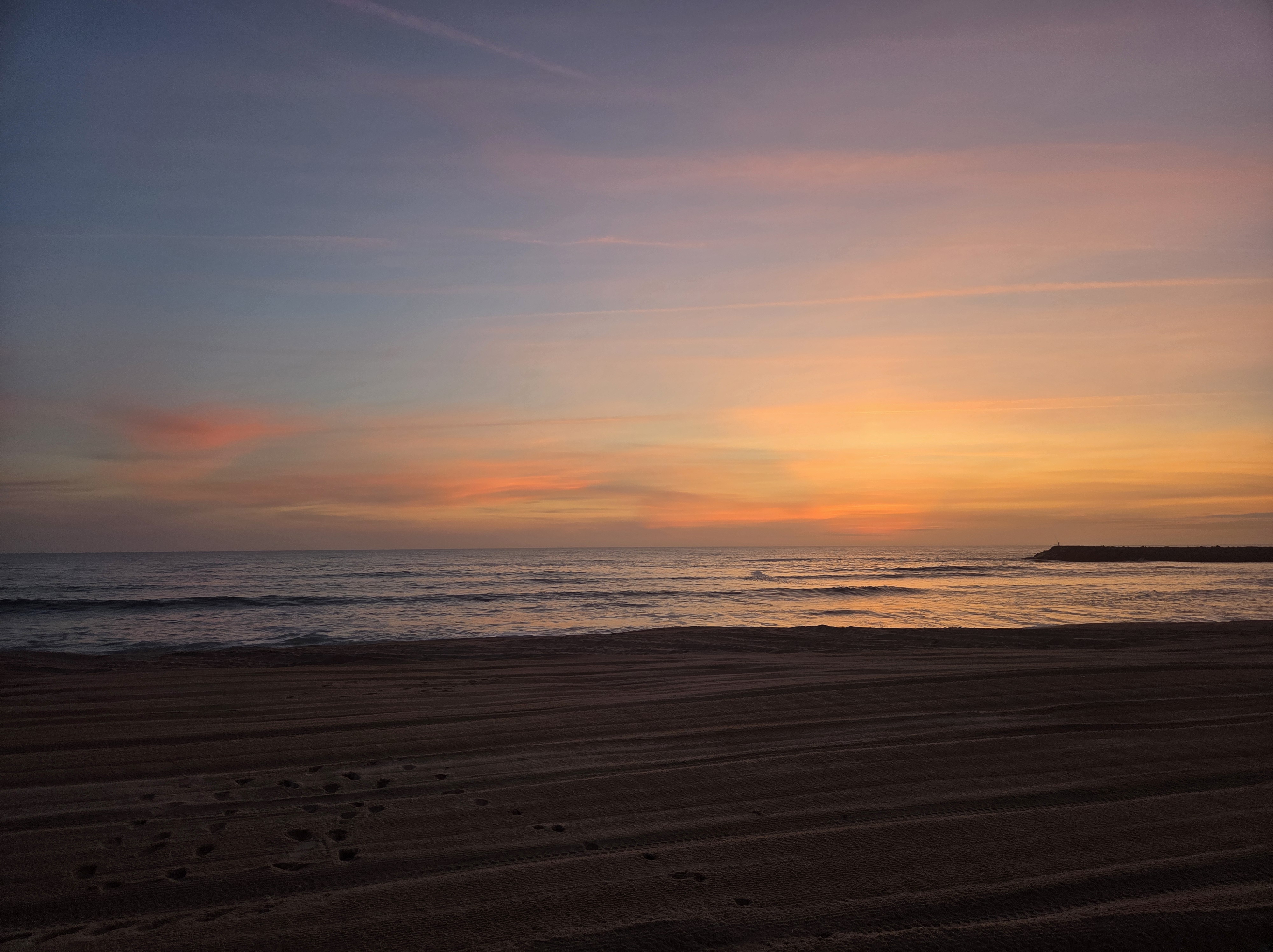
We don’t take anything except surfboards with us to the beach so I don’t have any pictures from the first session. This was my view at dinner.

Today I arrived in Espinho, Portugal.
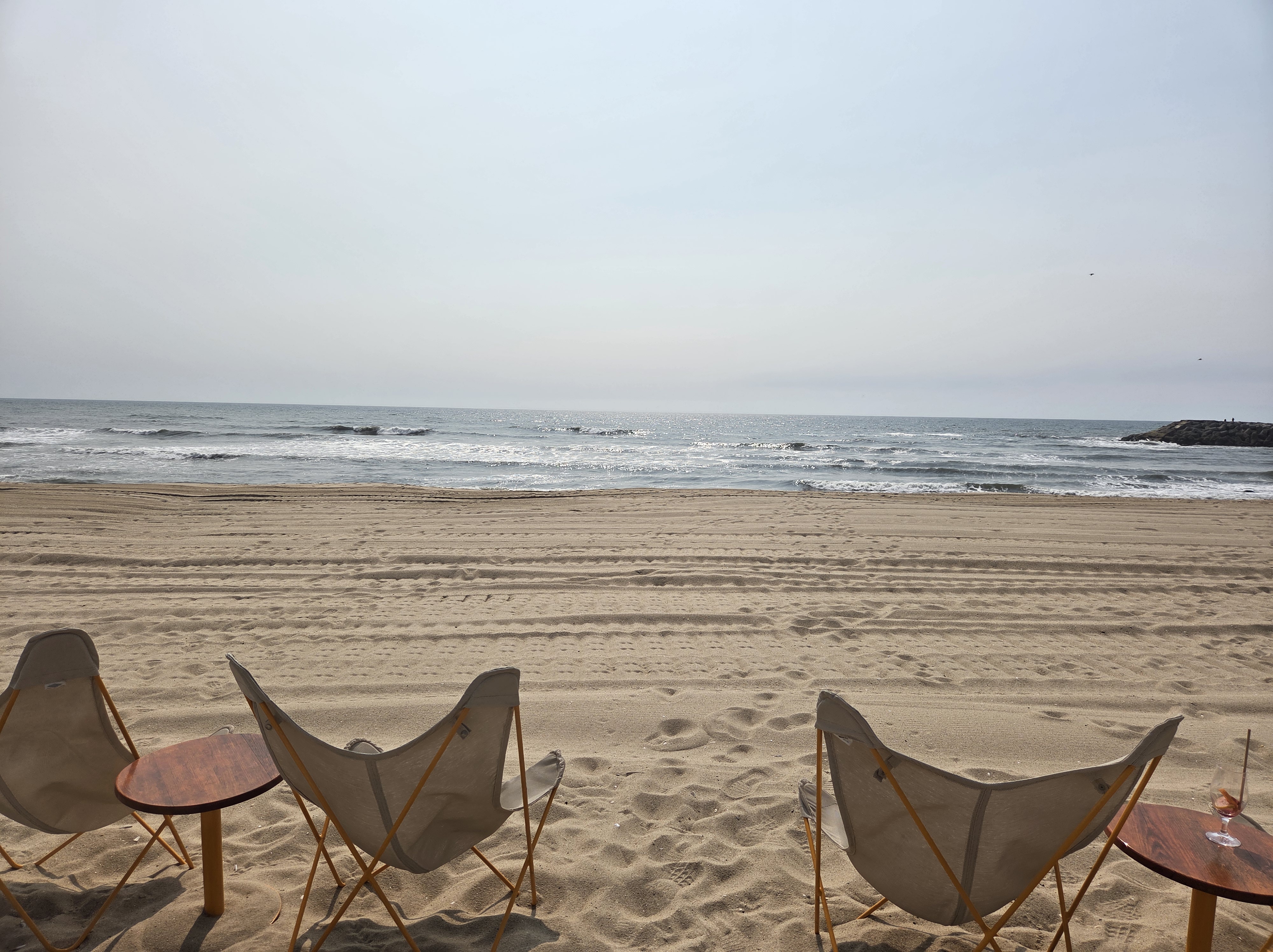
To do some… surfing! Being in Finisterre and Muxía inspired me to have more beach time.
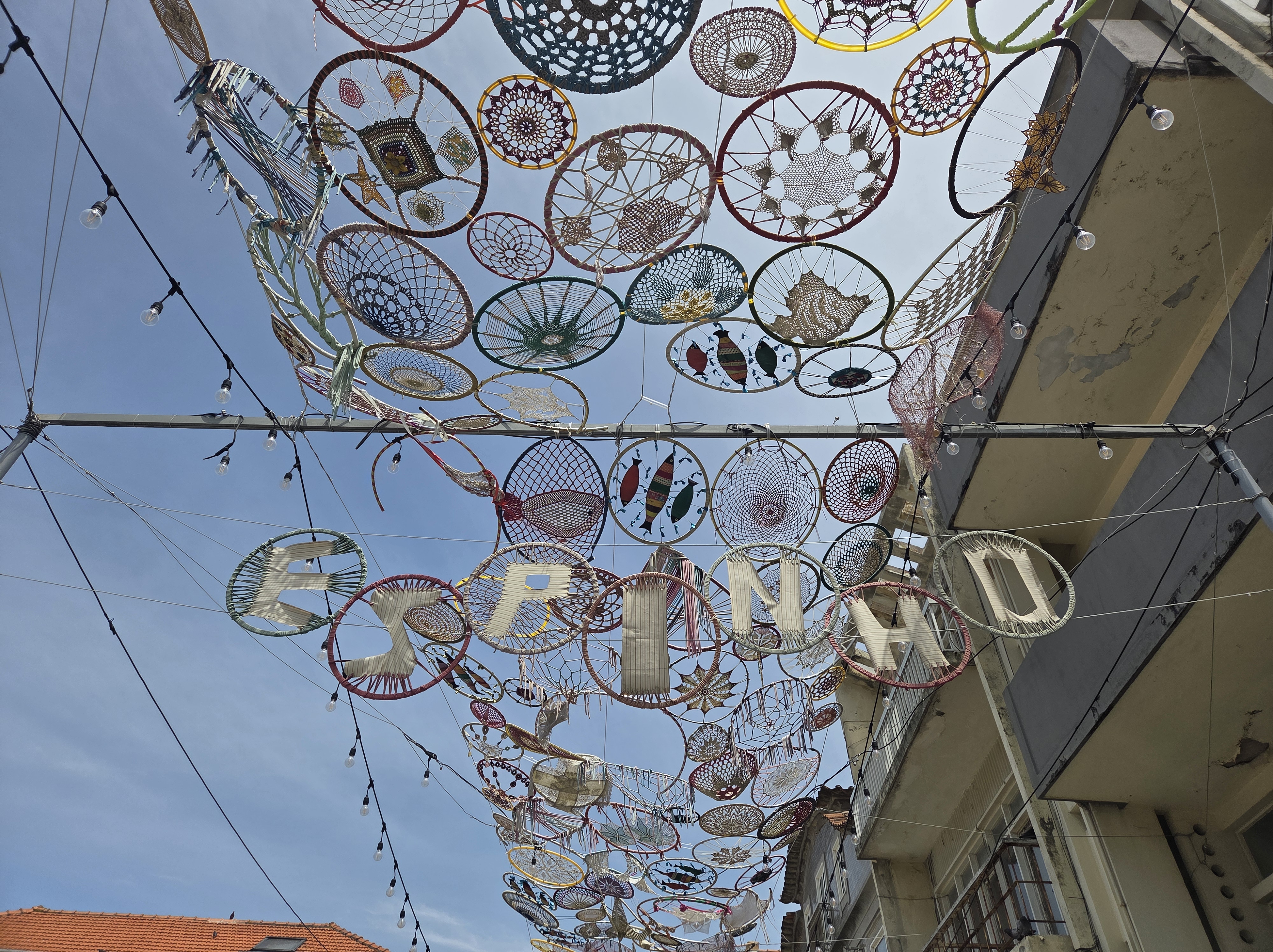
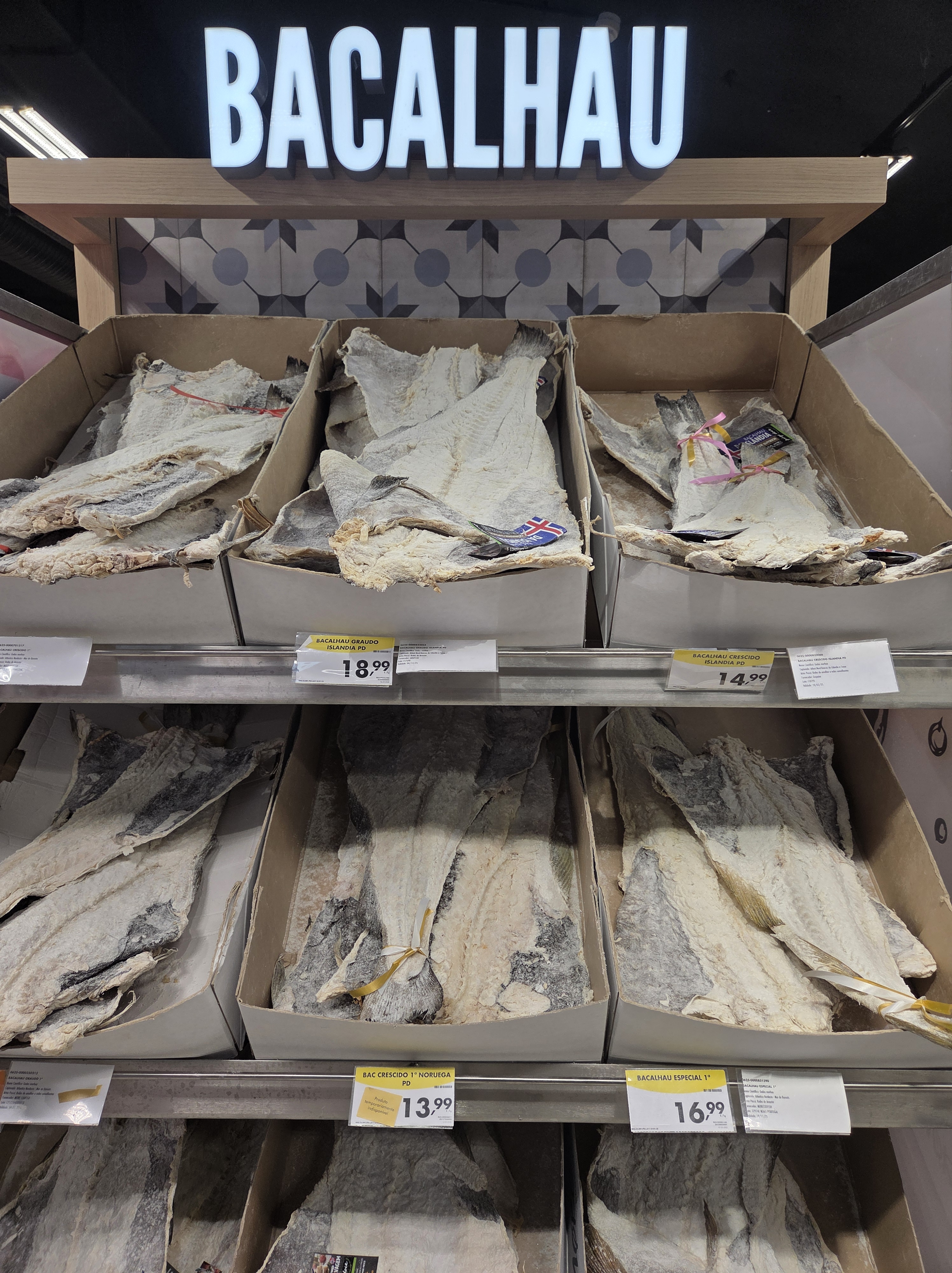
So, I found a surf camp in this lovely beach town, where I expect I will soon be eating salt cod.
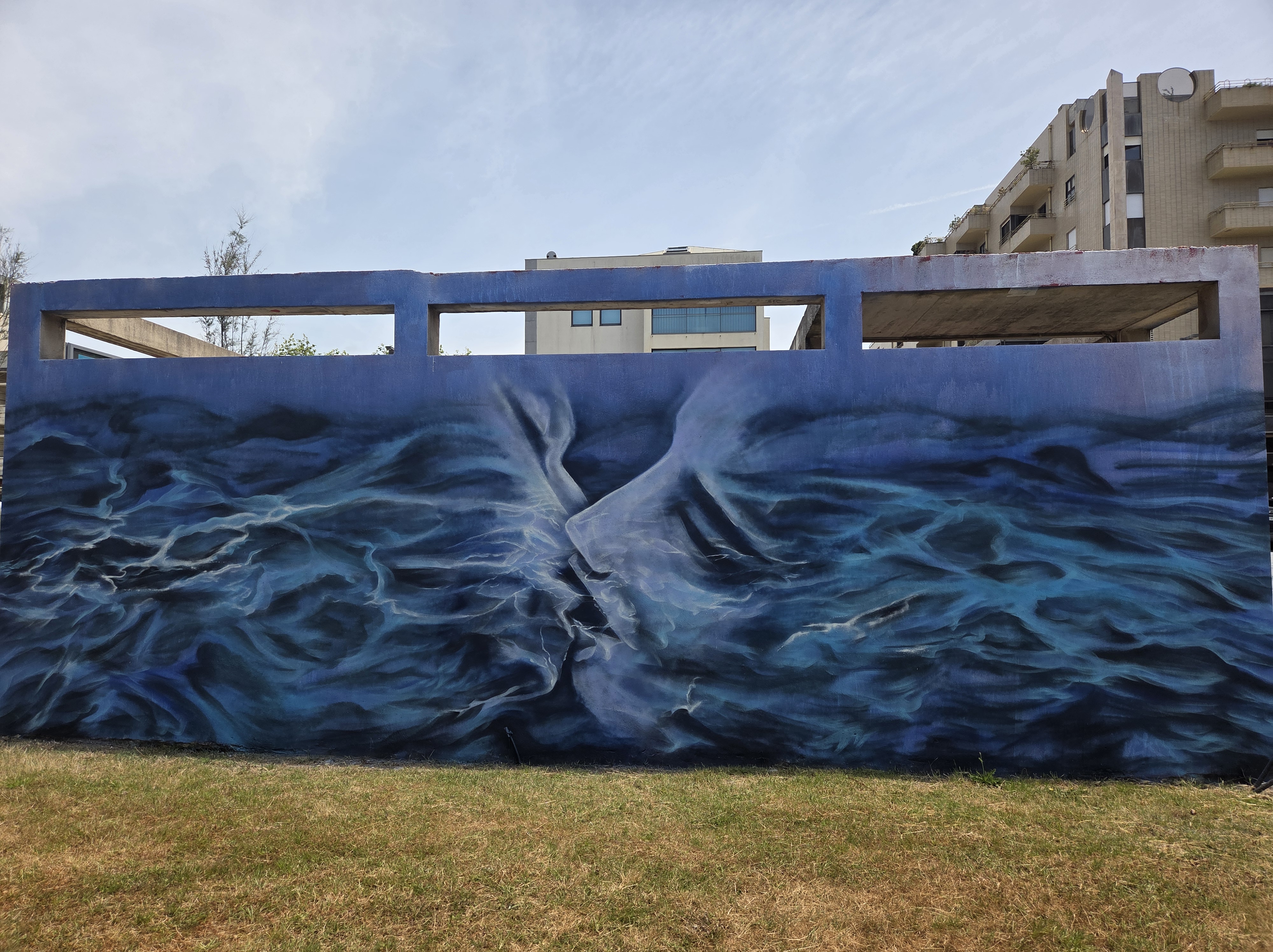
I’m excited about this next adventure!

I love that in Santiago de Compestela a hundreds of years old building can be the backdrop to a carnival.

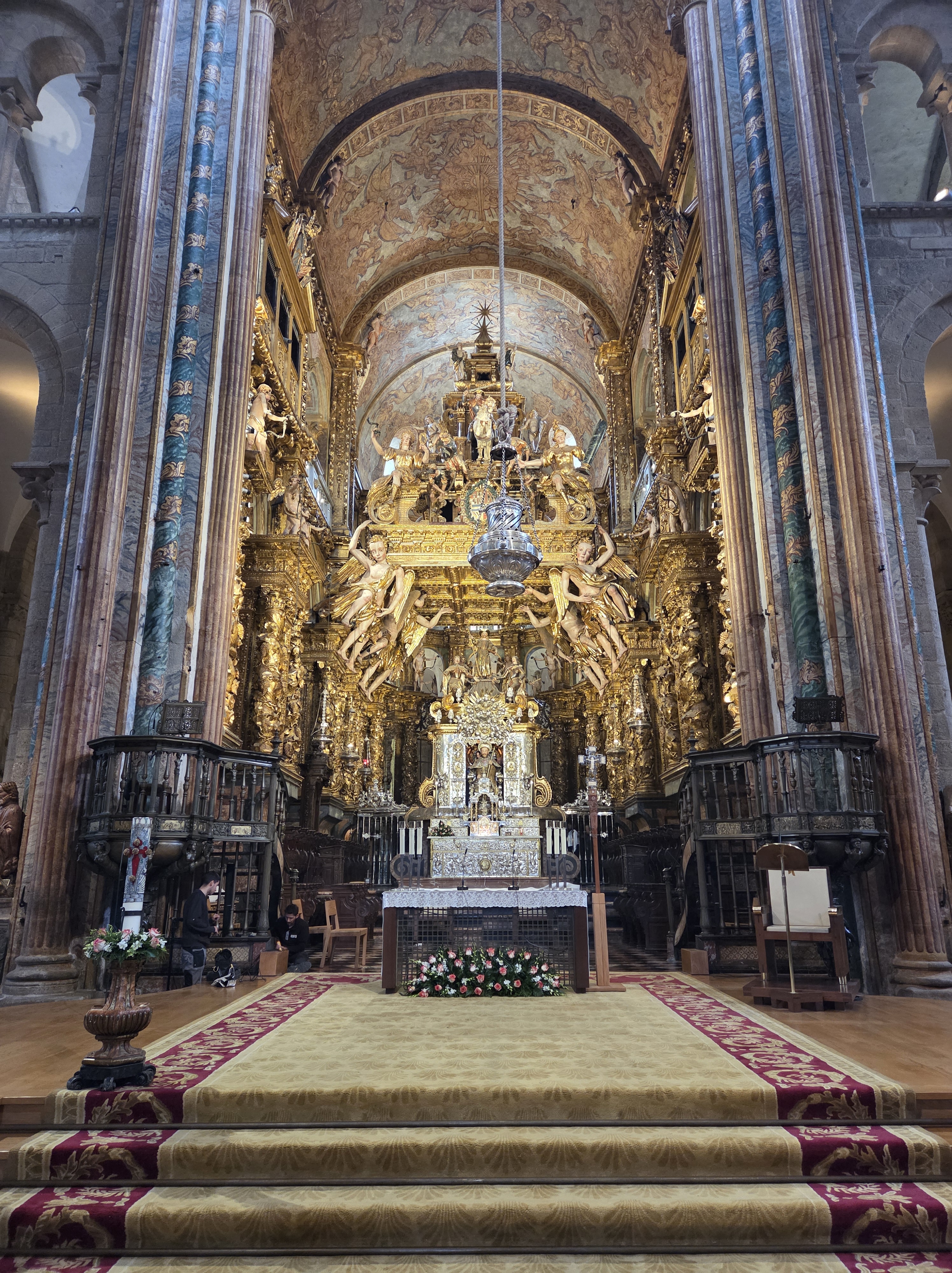
So, I’m back doing the obligatory final pilgrim things like hugging Saint James,
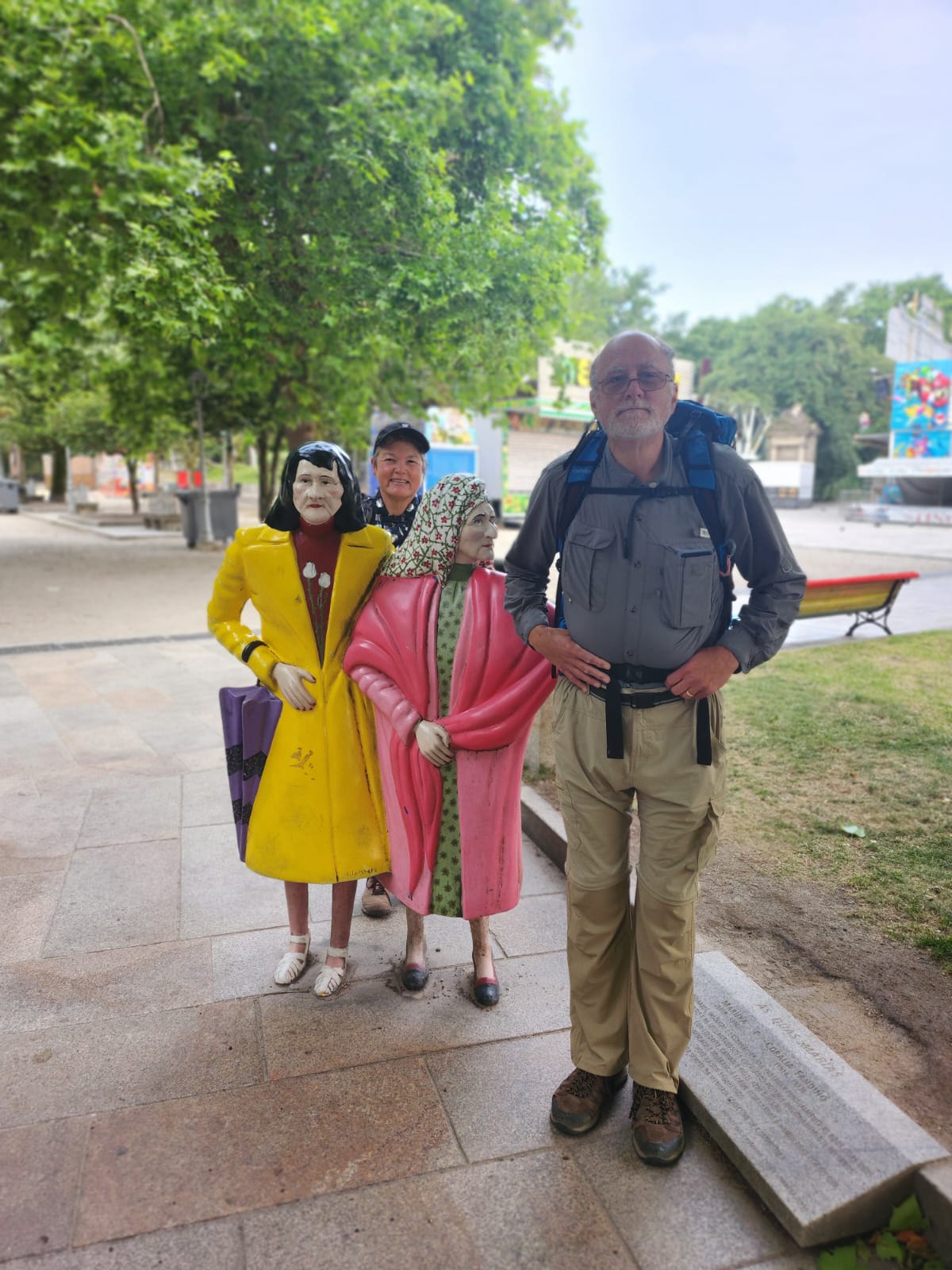

admiring the As Marias sculpture, and eating great food.

As the last member of our Camino family strolls in to town, we pay homage to him.

In reality, I’ve just been delaying the inevitable… our final Camino family dinner. Come morning, we’ll head our separate ways. I’m not sure what that means for me yet but I’ll be sure to post it when I figure it out.

I love that the Faro de Muxía almost looks translucent in this shot. As if it is fading into anonymity due to the popularity of the neighboring
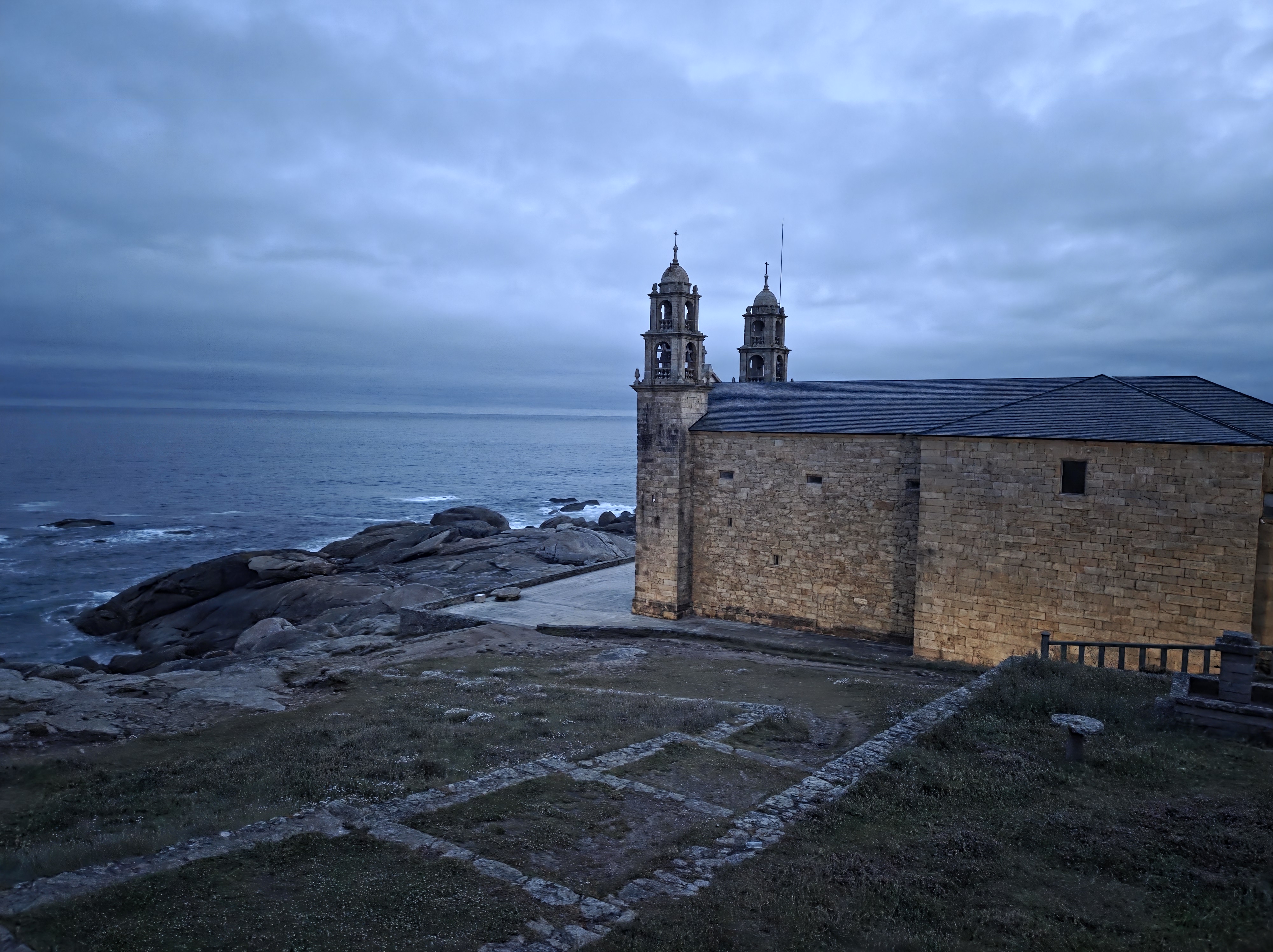
Santuario de la Virgen de Barca, the Cadrís Stone,
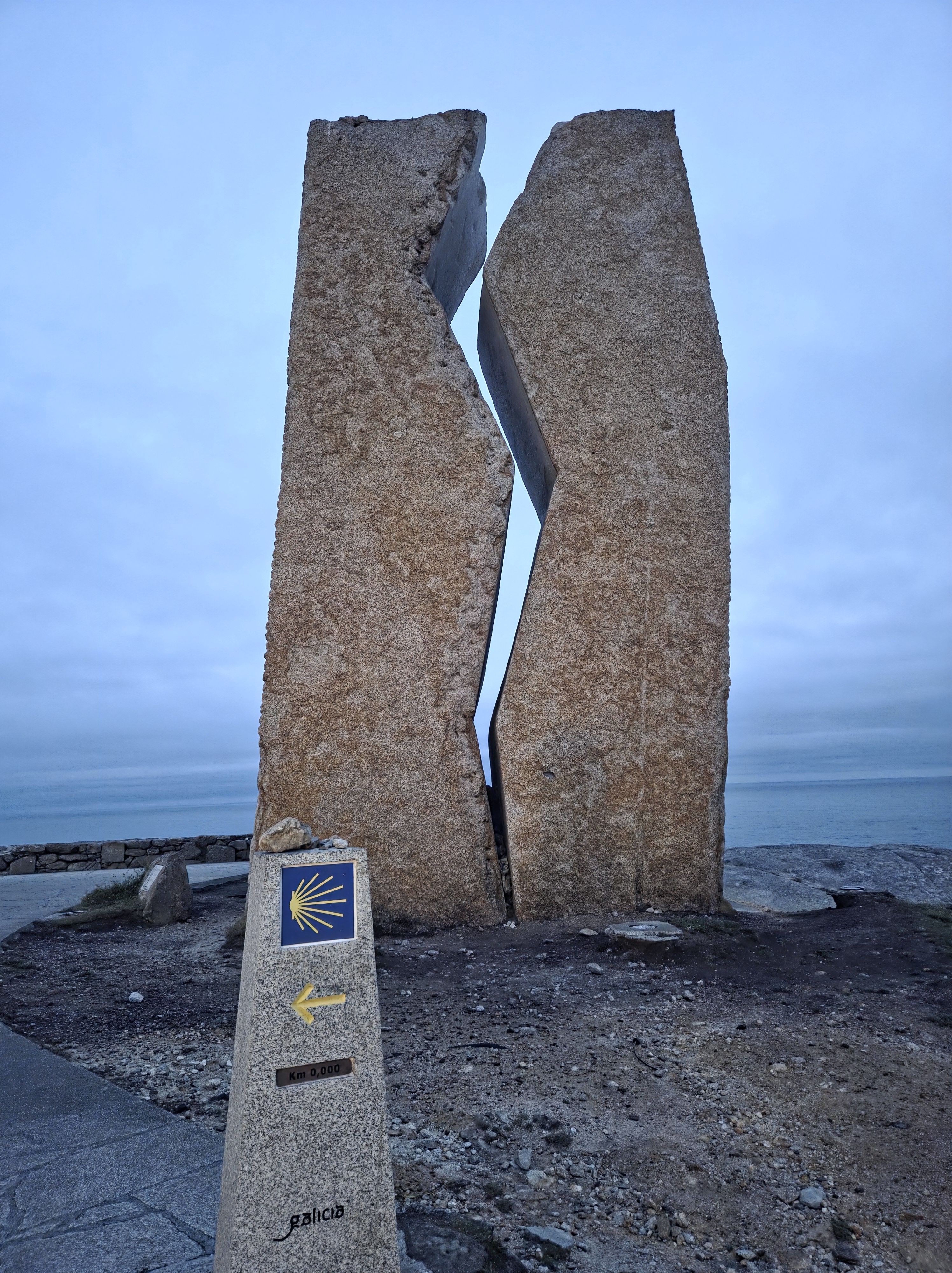
and the A Ferida. (“The Wound” is a tribute to all the volunteers that showed up after the Prestige oil tanker disaster.)
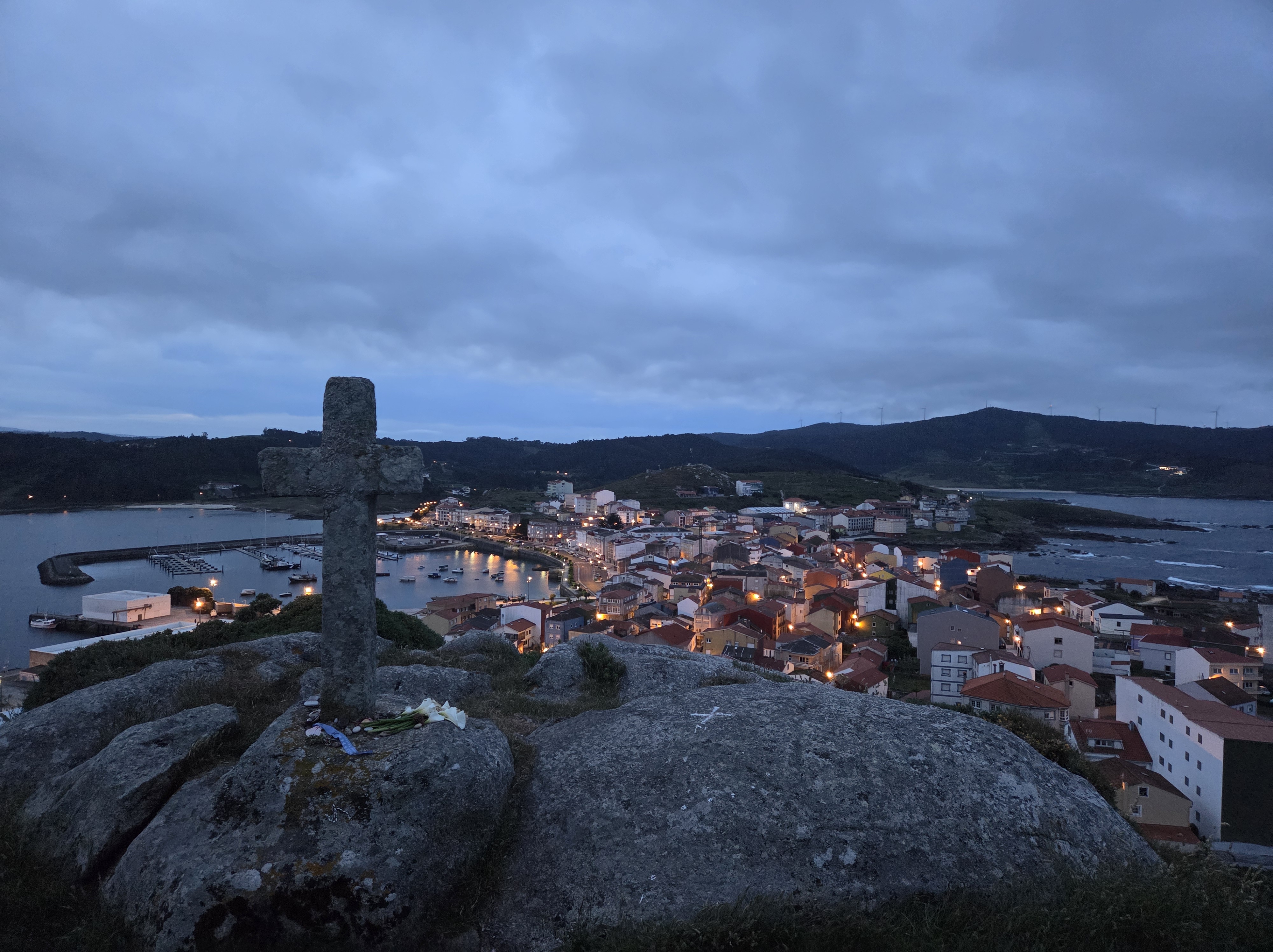
I thought a sunrise hike up to Miradoiro do Corpiño would result in awesome panoramic shots of Muxía. I was disappointed.
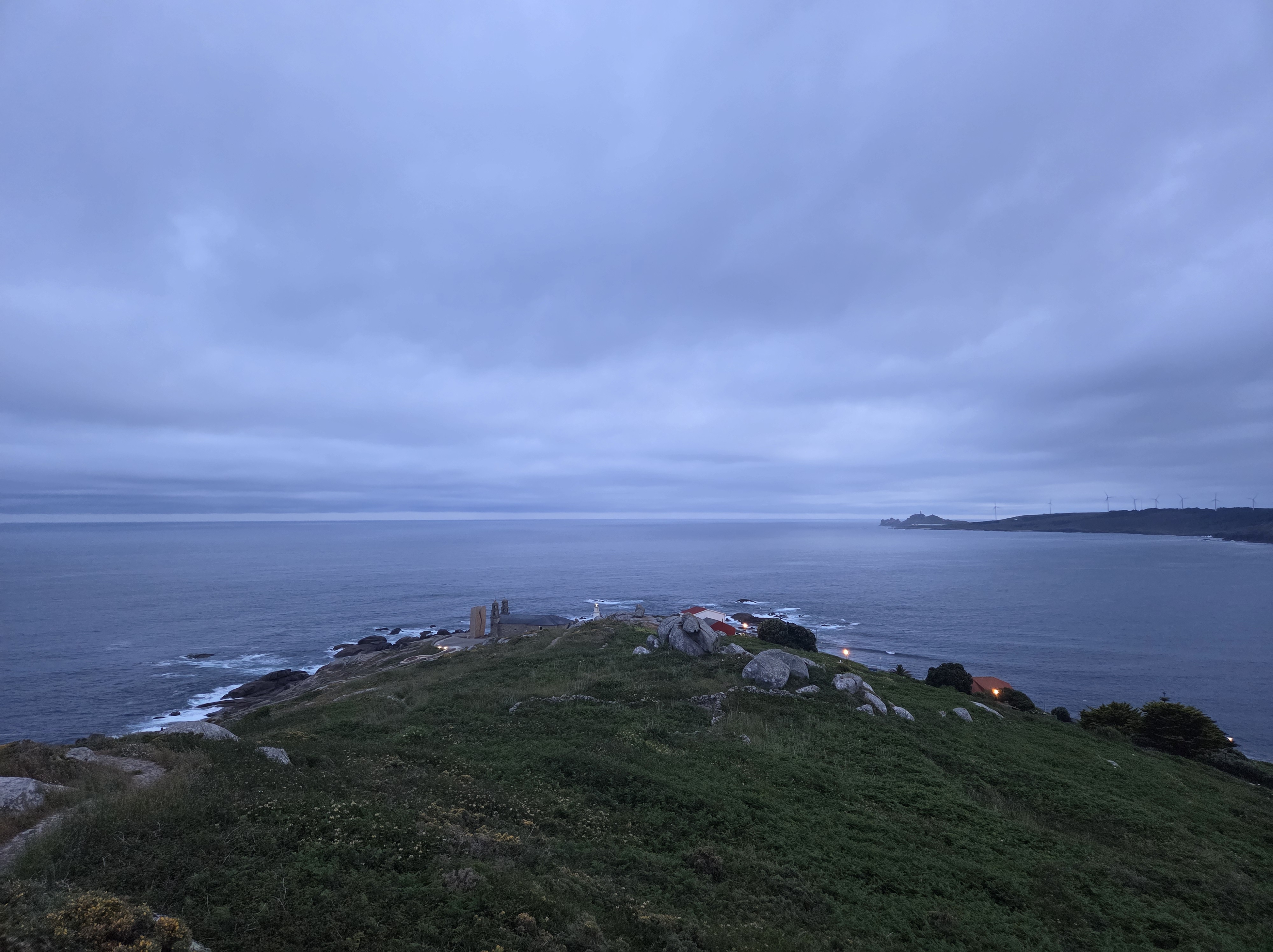
It does provide a great viewpoint but the sun didn’t quite cooperate.

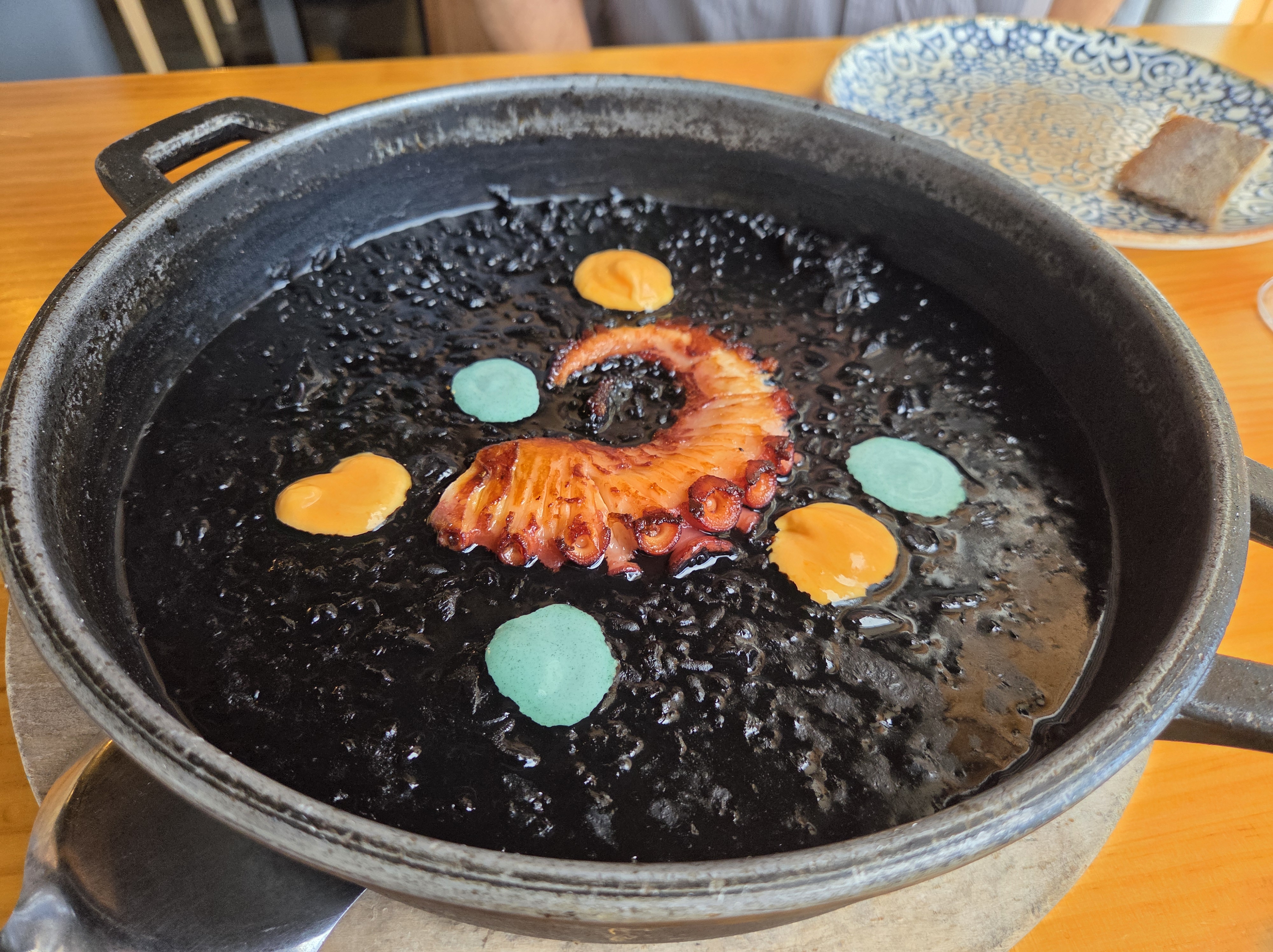
Dinner provided some color
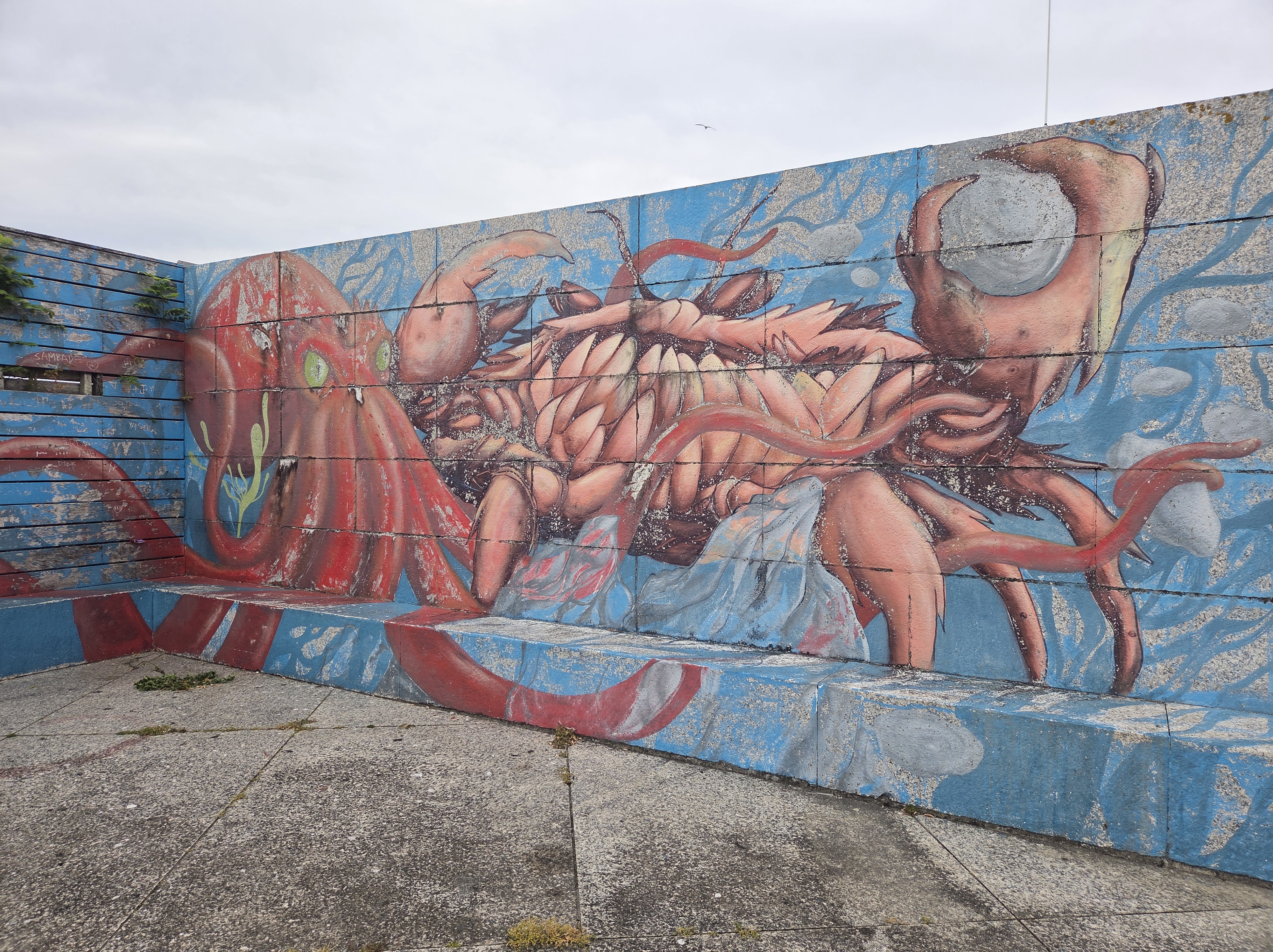
as did this mural.

I also thought I’d enjoy a swim in Muxía’s clear refreshing water but I only waded in about waist deep. Again, the sun just didn’t want to cooperate. Nonetheless, I found Muxía to be peaceful and enjoyed the sleepy seaside village.

In Roman times, Finisterre was believed to be the end of the known world. It is a popular extension to the Camino de Santiago. Some walk, some ride the bus.. I did the latter.

I joined Oz and Scott for an early morning walk to the lighthouse on the rocky Coast of Death.

The fog rolled in but we still enjoyed the stunning colors of the sunrise.
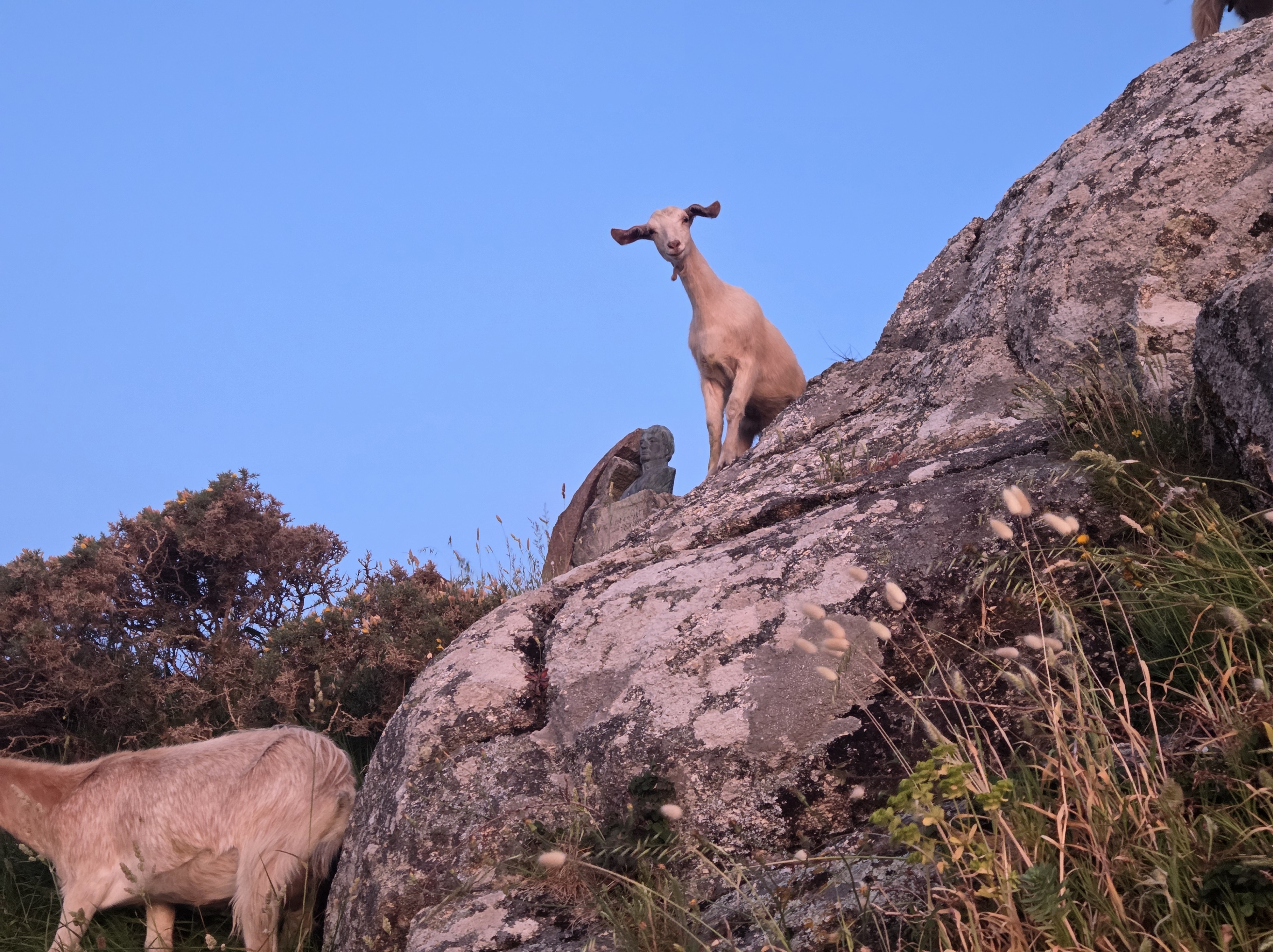
We discovered we weren’t alone.

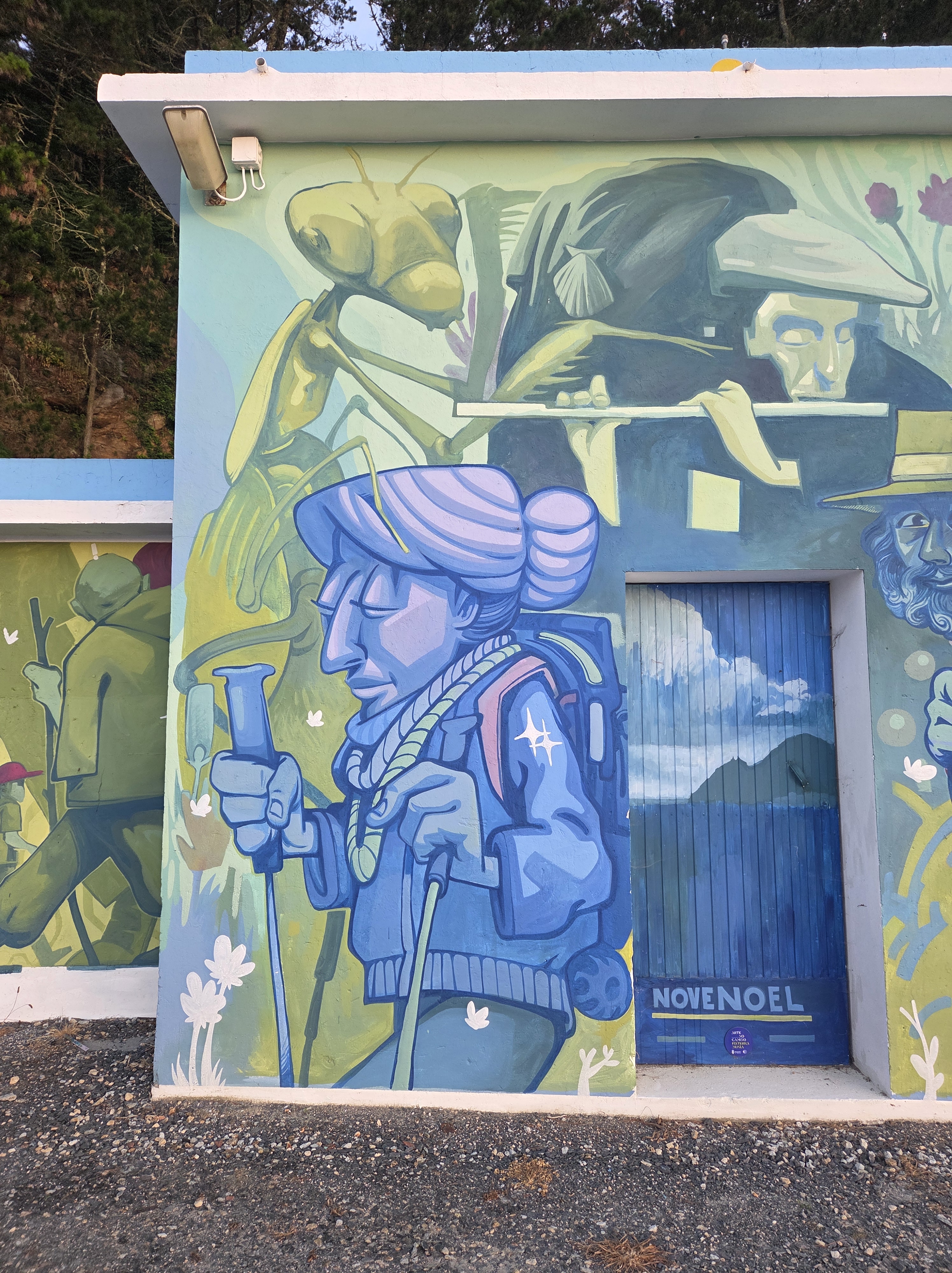
On the walk back, we noticed a cold pilgrim and art by Nove Noel.

I was excited to be so near the ocean. I find it calming and relaxing.
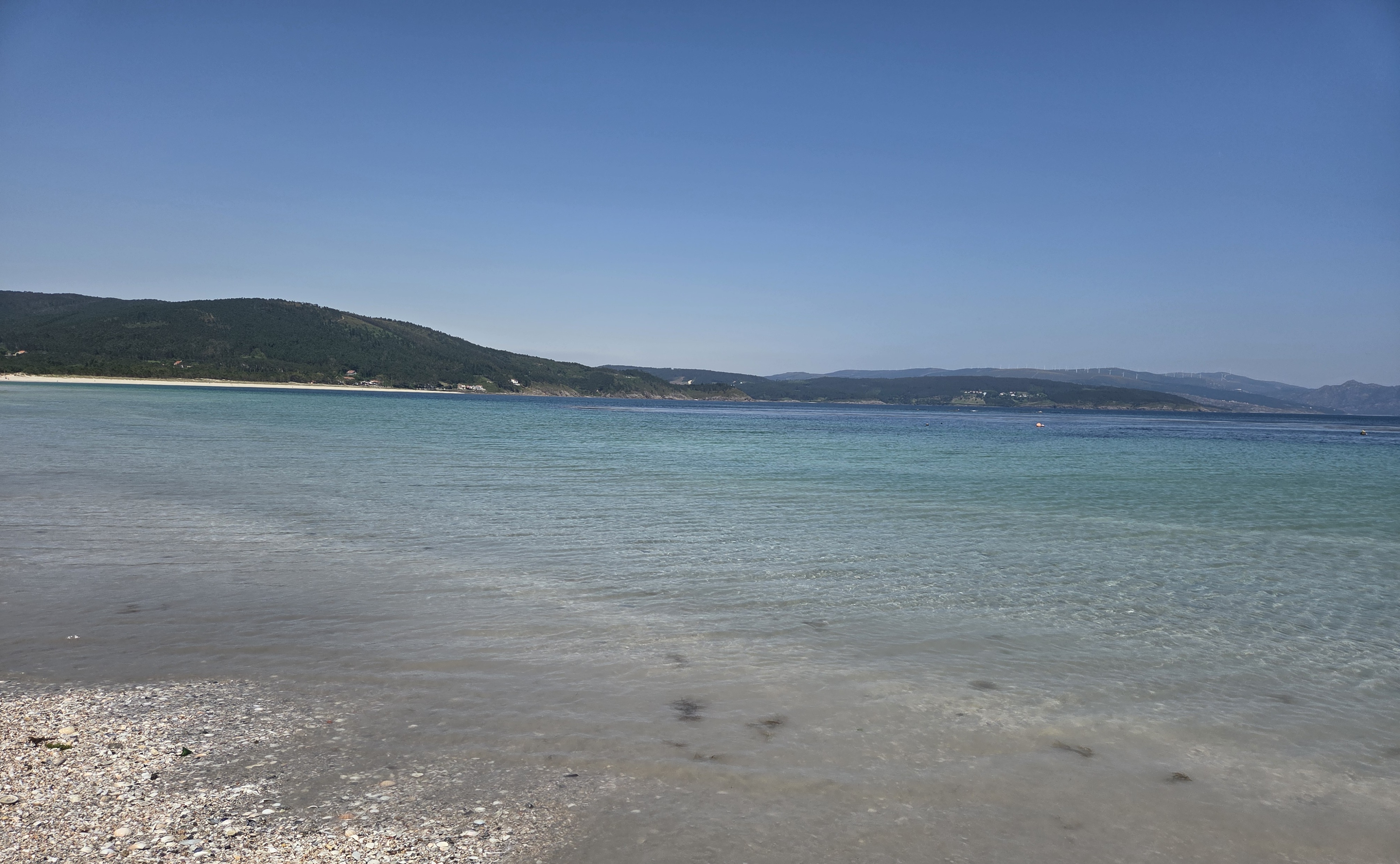
Especially, strolling the beaches, picking up shells. The water is wonderfully clear here.

In town, there is a charming mix of old and new, good seafood, and Batidor Pasteleria.

The sunrise for the trees… the morning has a different energy as there’s only 12 miles remaining.
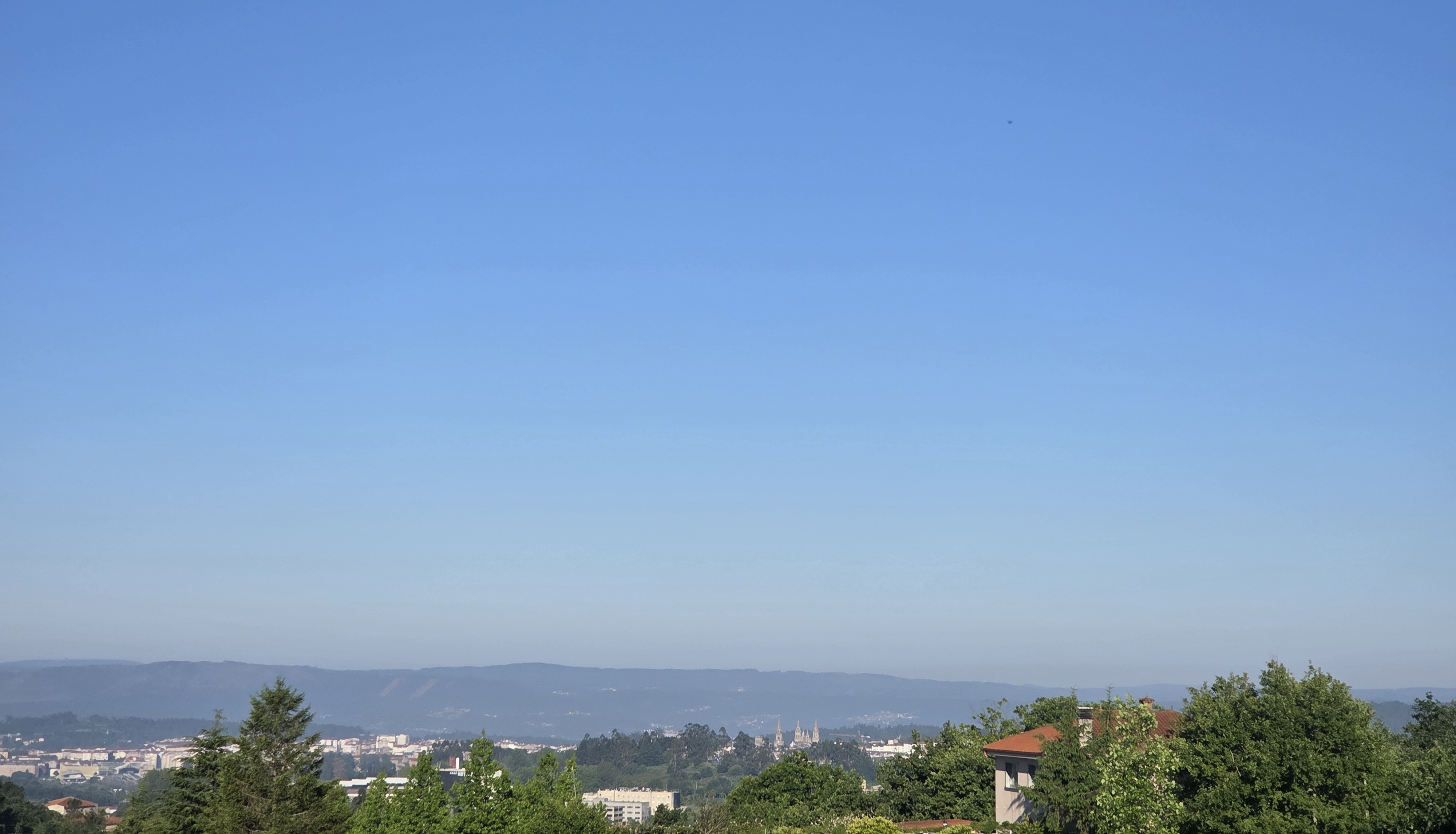
At San Marcos, you get a sneak peak of the cathedral. It adds a little pep to each step.
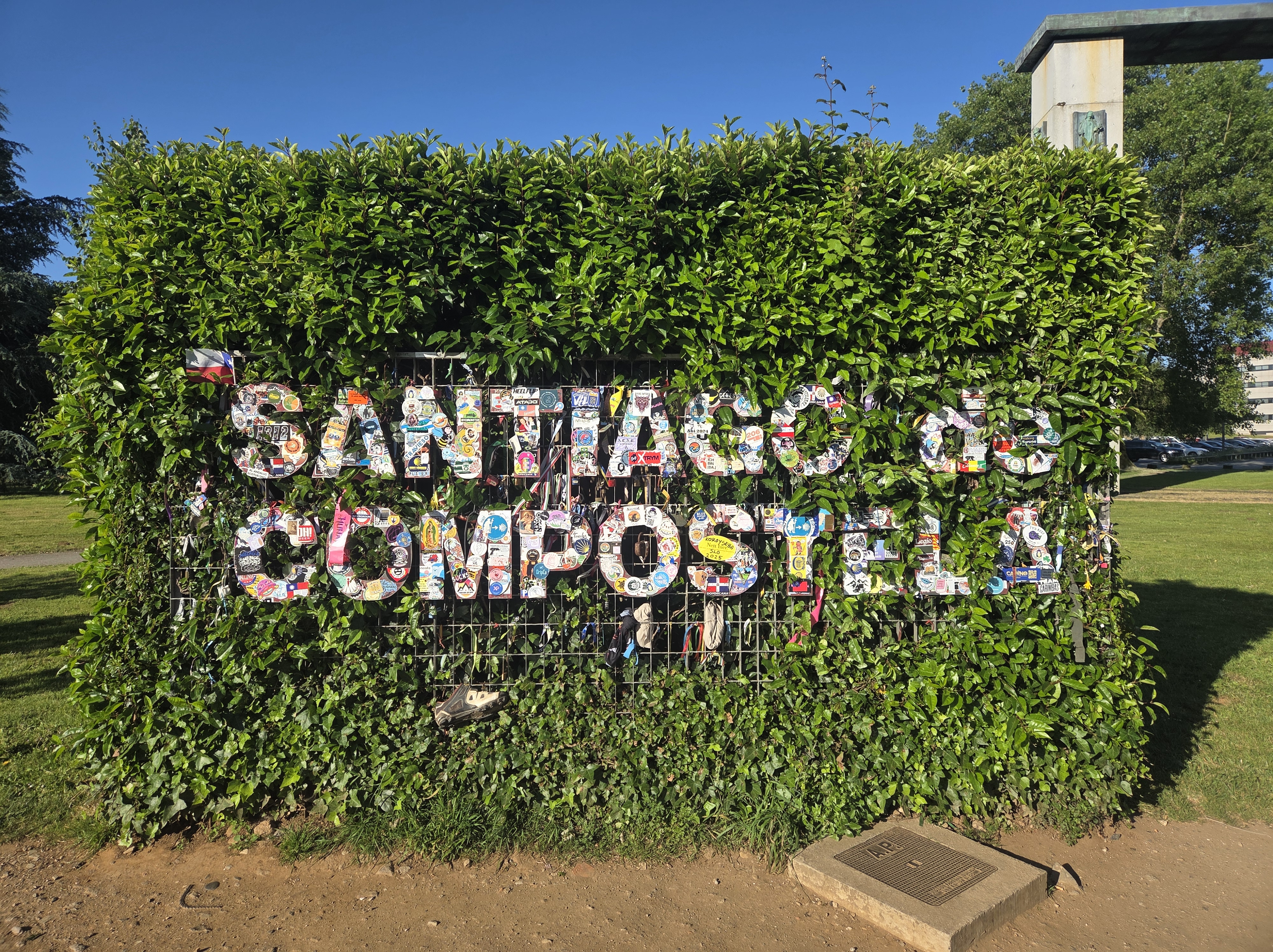
Just a few miles later, despite the sign, it doesn’t really feel like you’ve arrived.
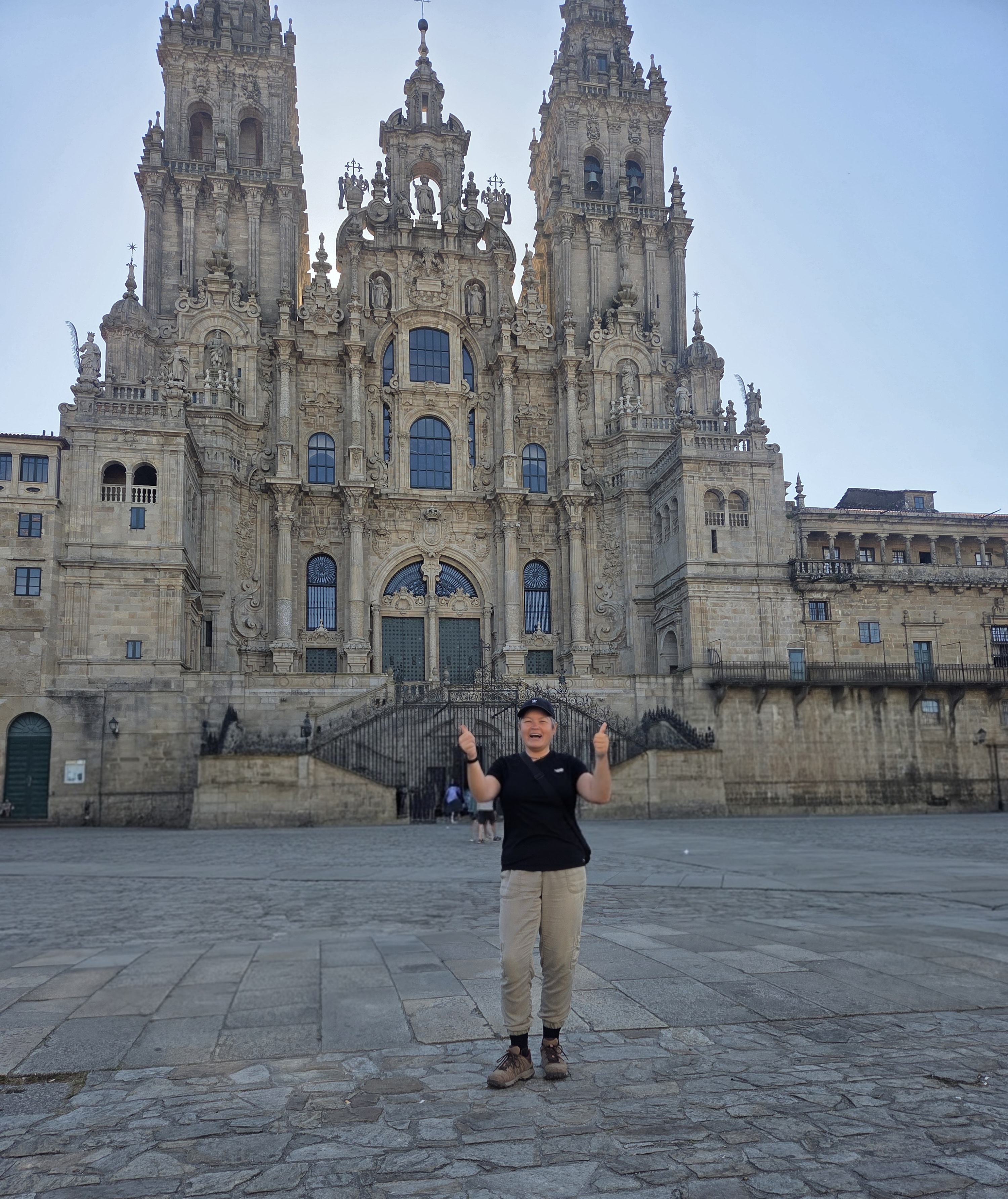
Until you do.

Or until you reunite with some of your Camino family. They are bittersweet moments.

After hugs, you attend the pilgrims’ mass and get lucky enough to see the botafumeiro in action.

Next, you pick up the Compestela.
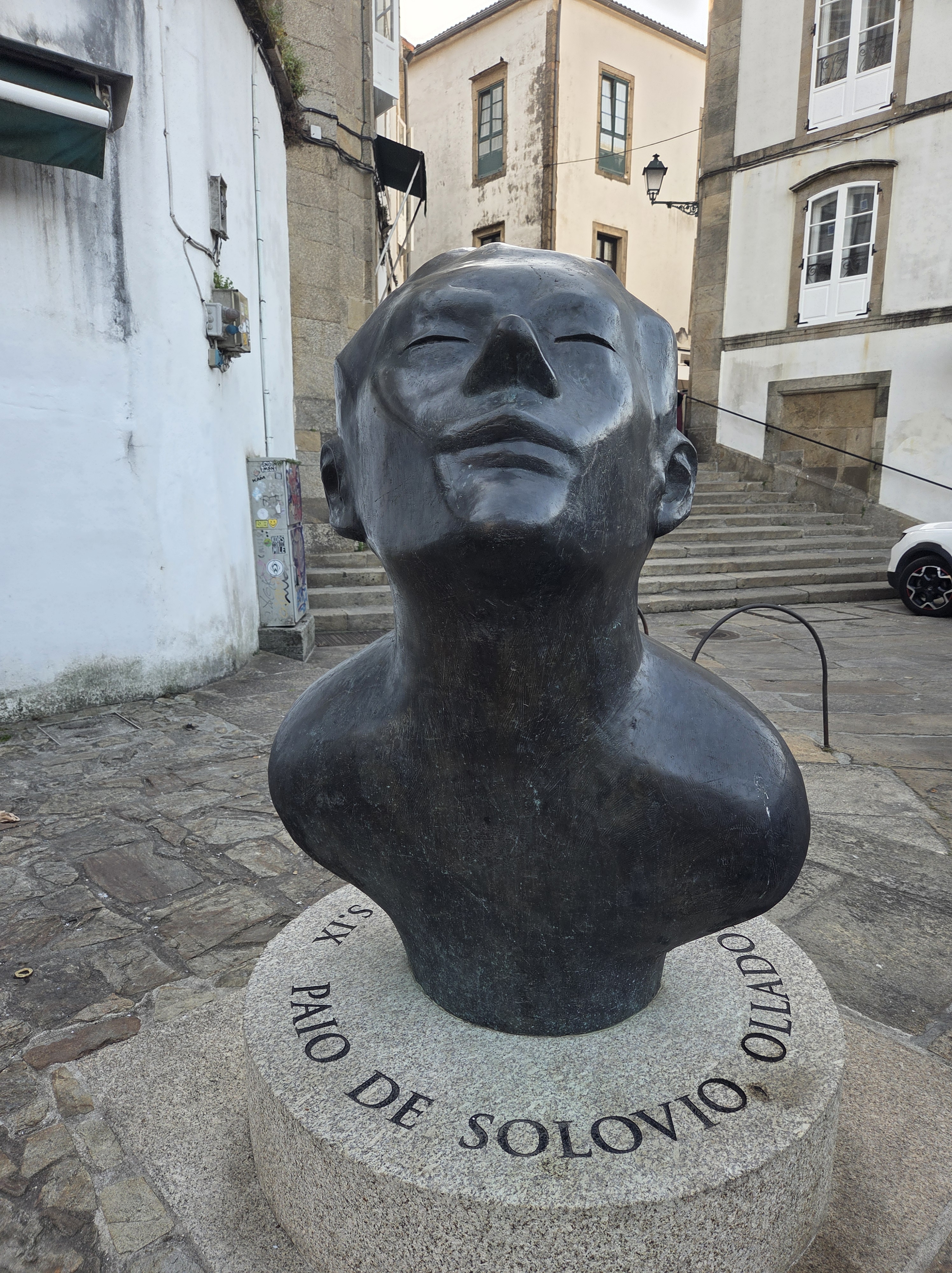
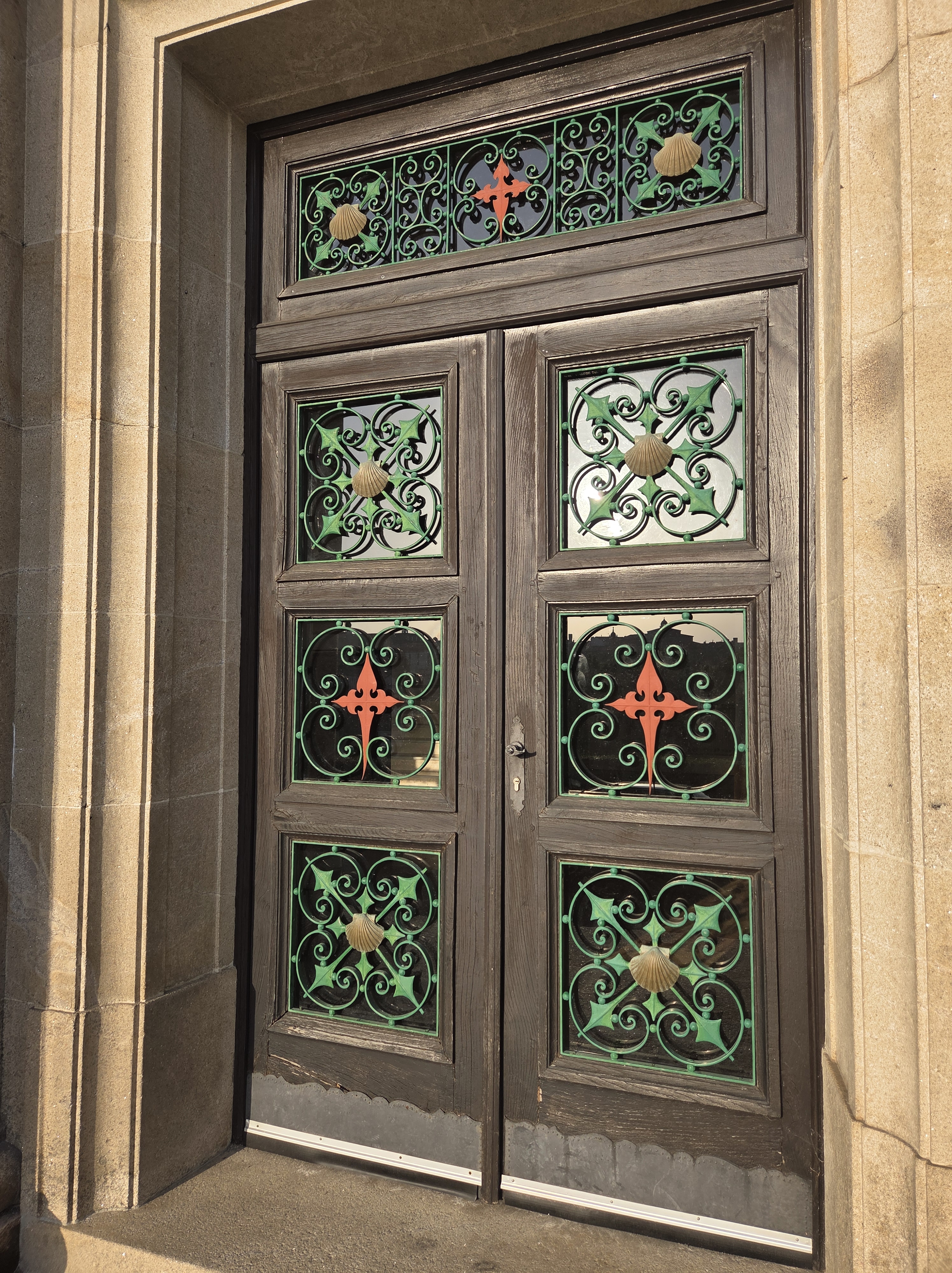
Then wander and find your bed for the night.

And that’s a wrap.

Leaving in the dark has its perks.
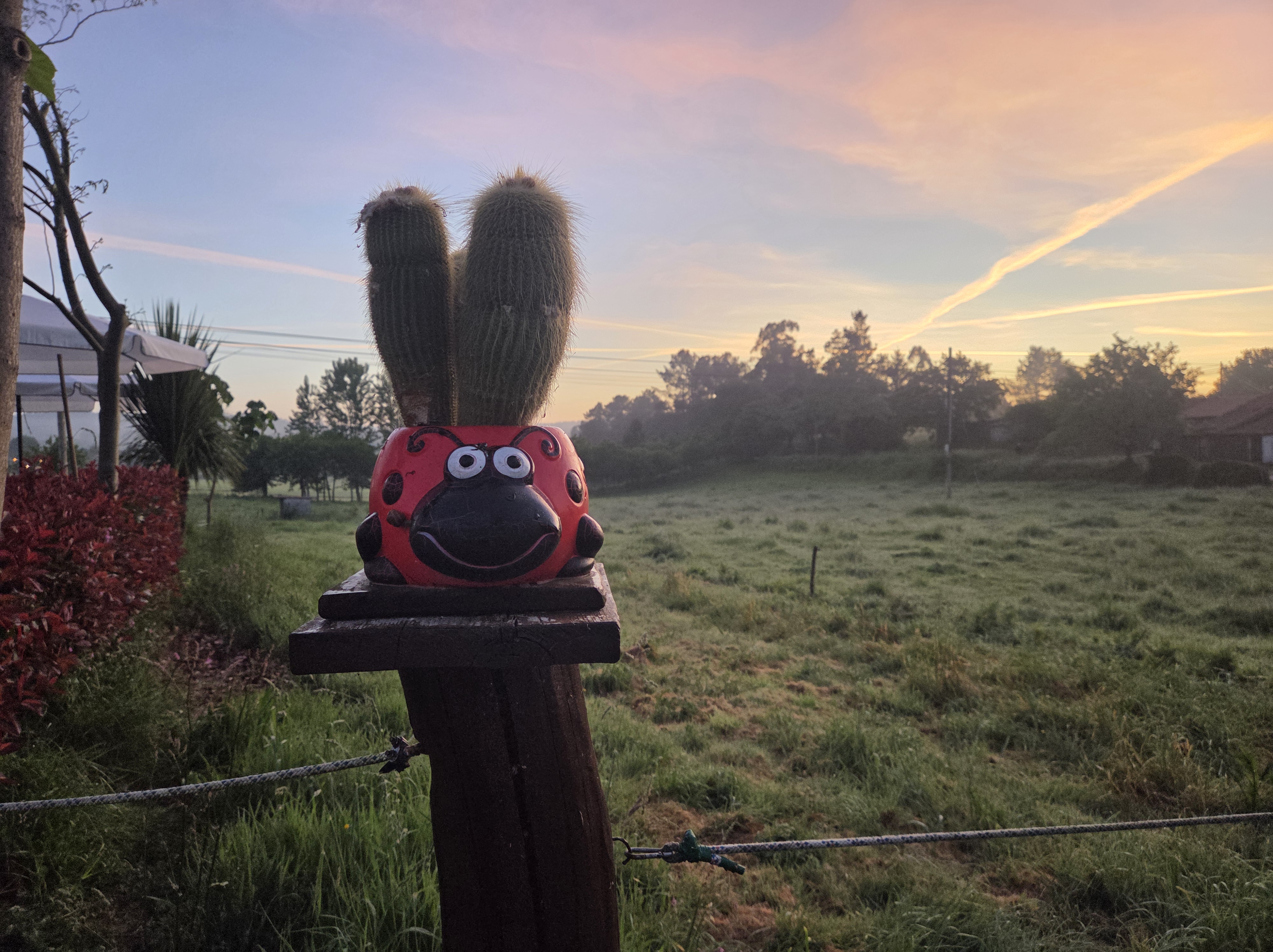
We were fortunate that Preguntoño Coffee Bar was open for breakfast.

Before it got too hot, we arrived.
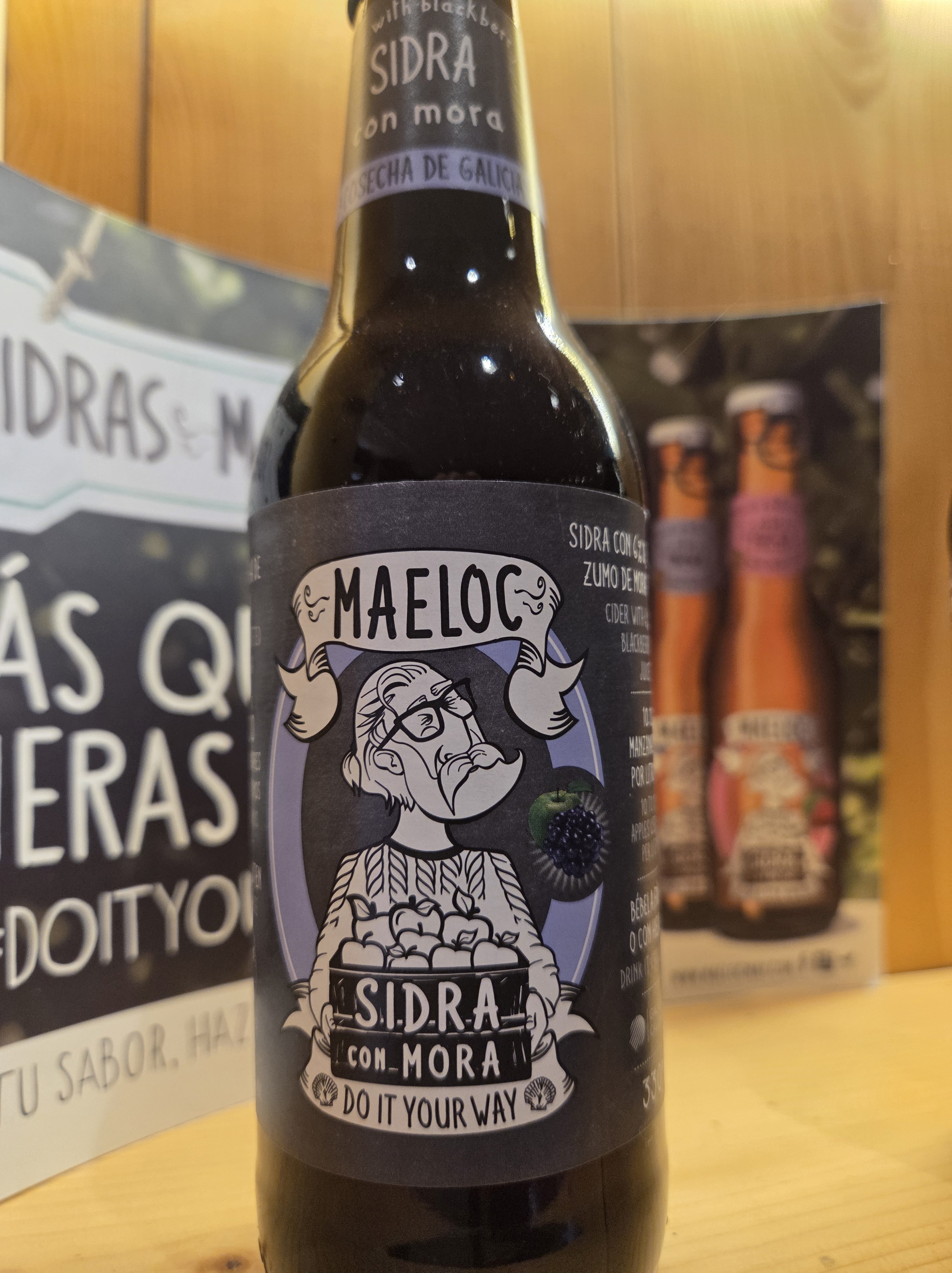
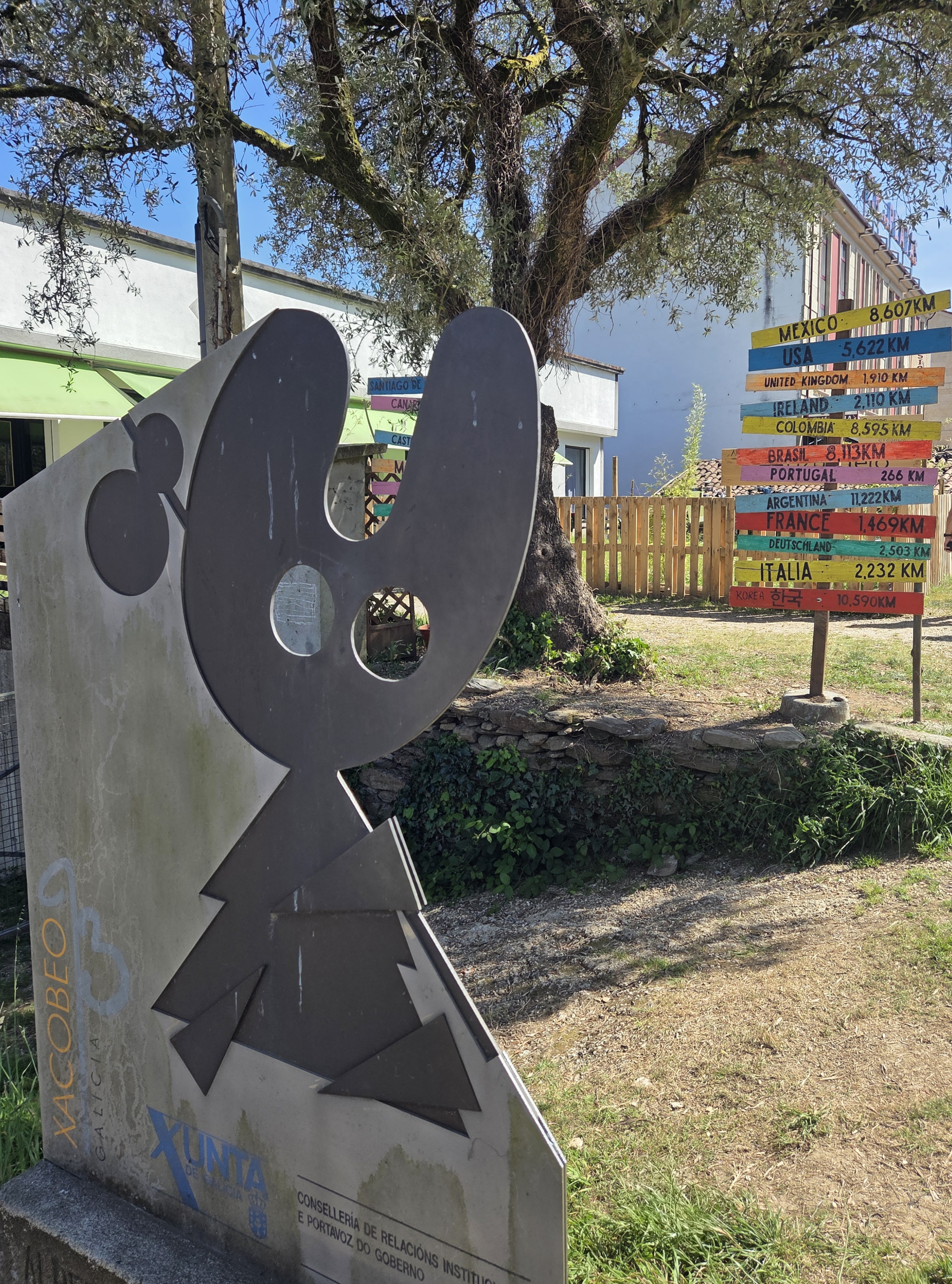
Maeloc cider is made in Galicia so it’s been readily available. I probably had too many but with only 1 day left to go, why not.

Early morning shot of Iglesia de San Xulián.

Here comes the sun.
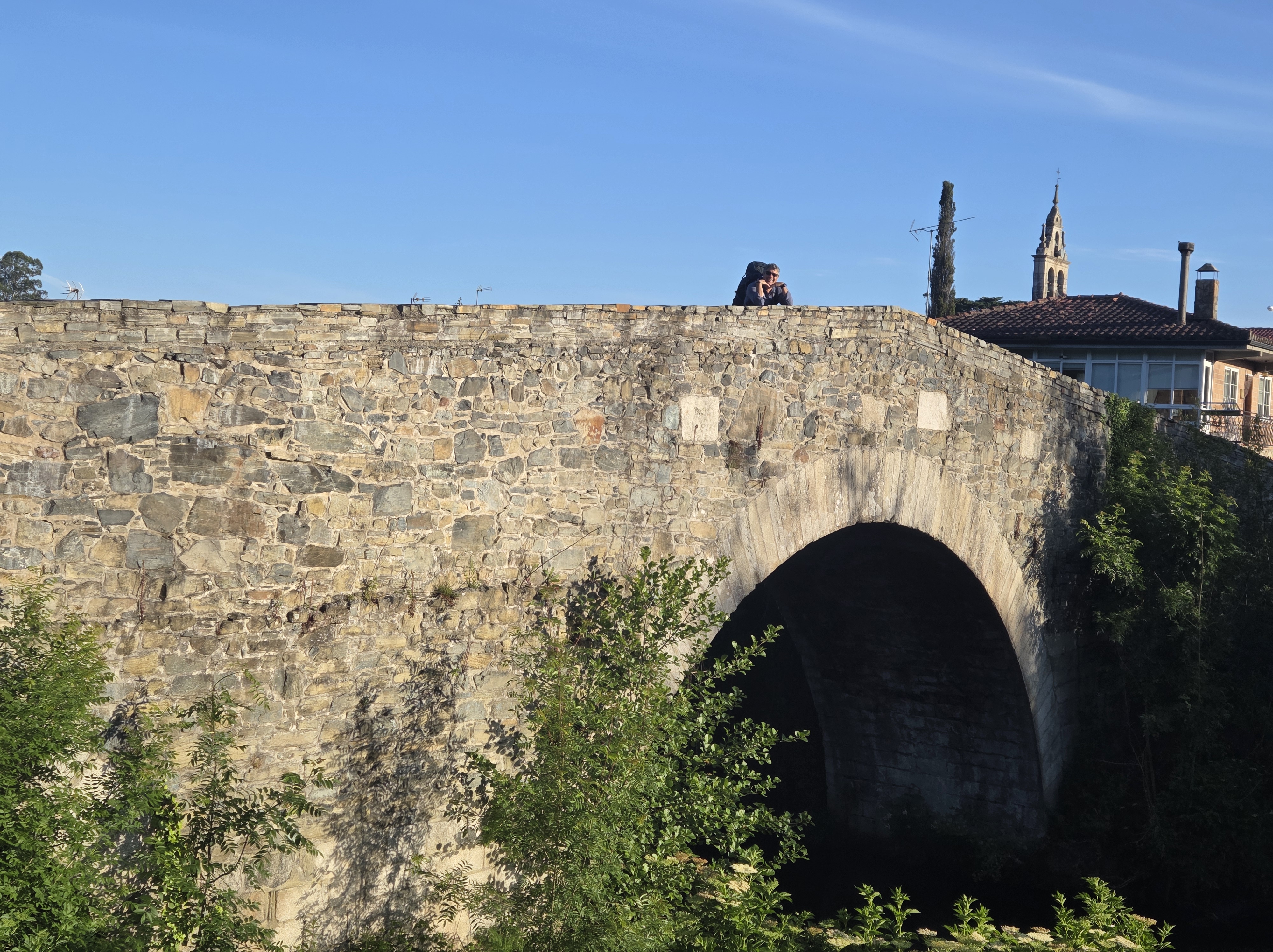
A medieval bridge, Ponte de San Xoán, crosses the Río Furelos.

The hórreo at my albergue for the night.
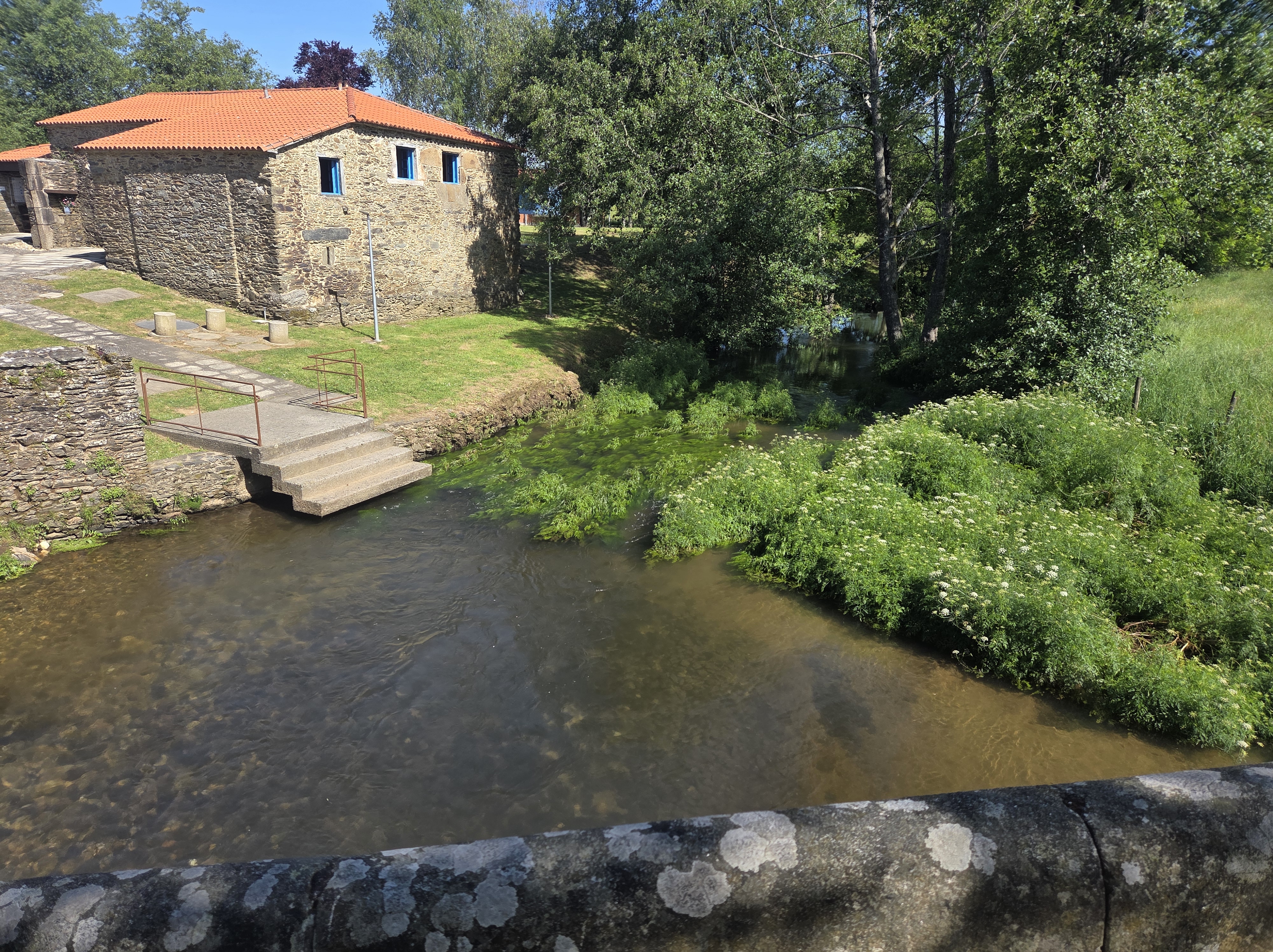
The restored buildings of the Ribadiso de Ponte Hospital are a welcoming site letting you know you’ve arrived.
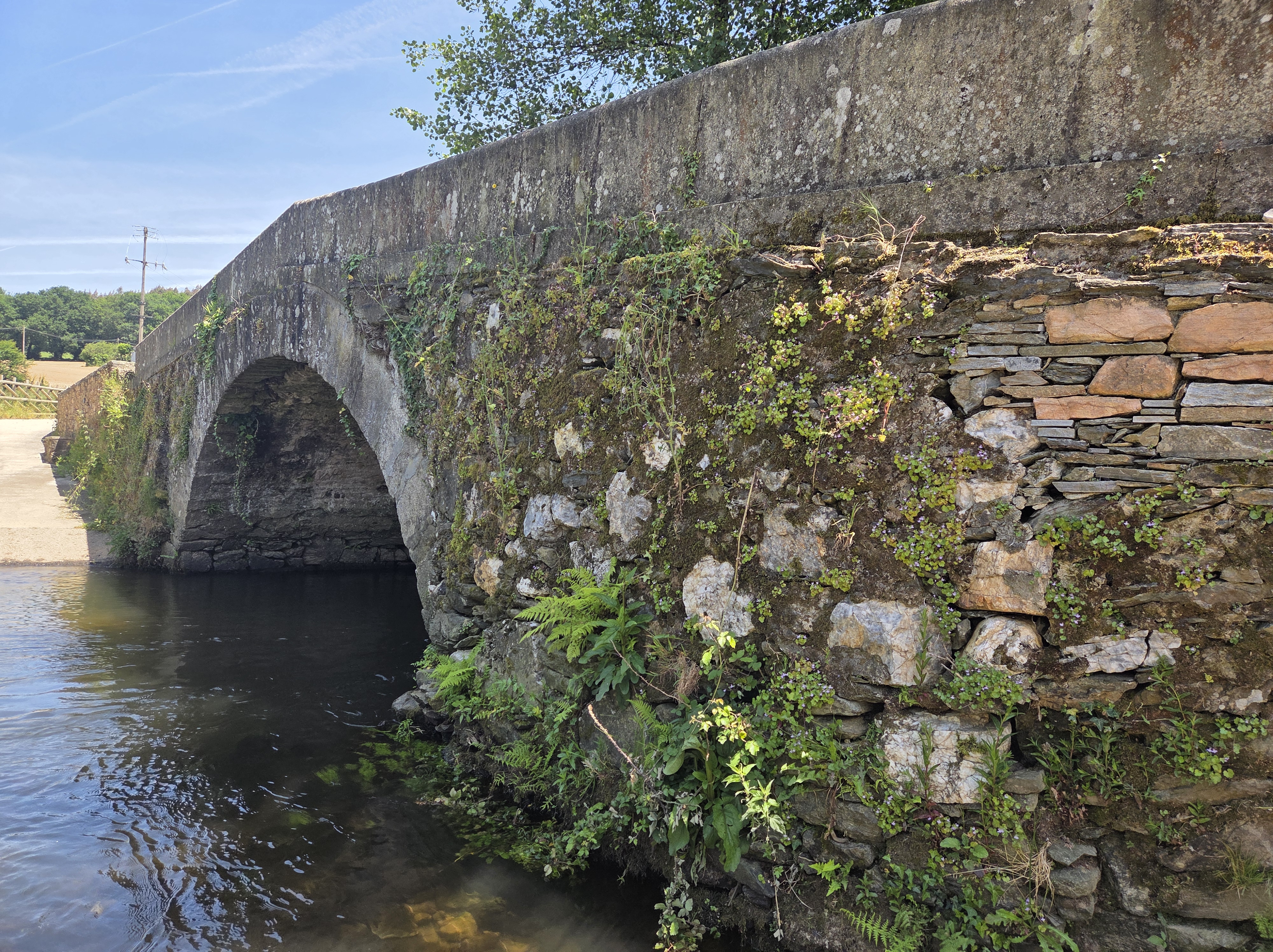
Ponte medieval de Ribadiso, built in the 12th century, is considered a favorite bucolic spot on the Camino.

Sitting along the cool rushing water of the Río Iso is relaxing and enjoyable.
 Texas
Texas 