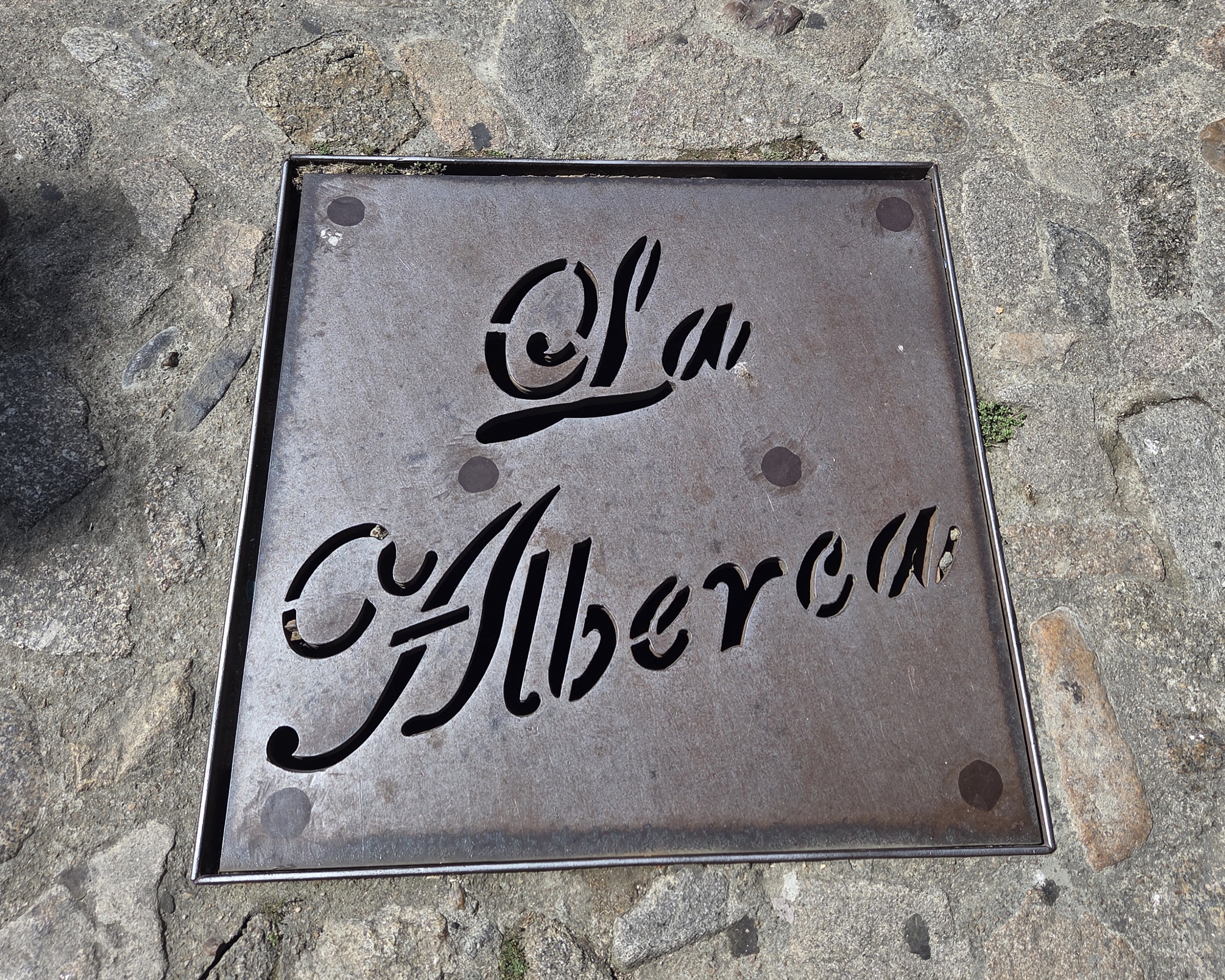
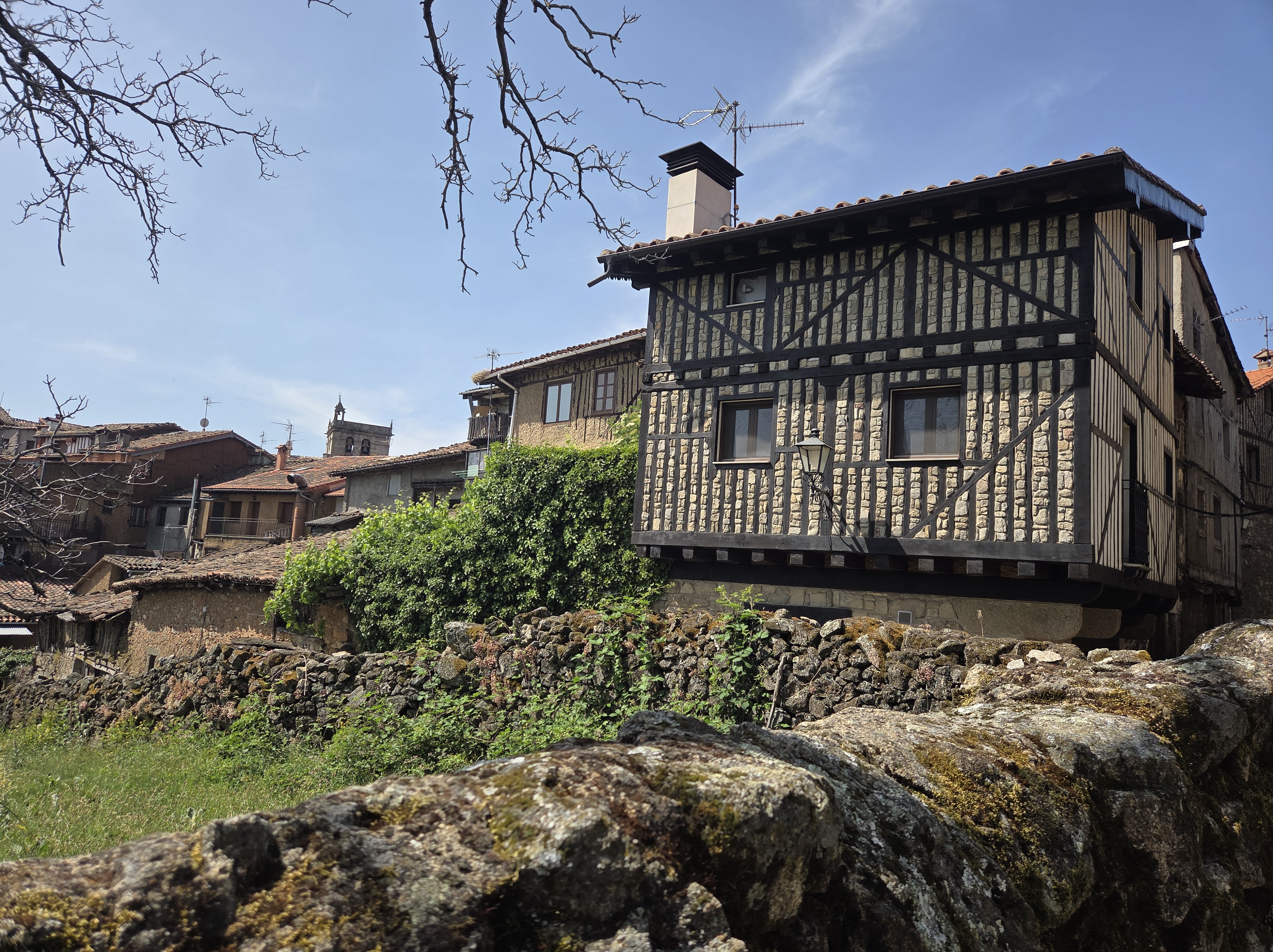
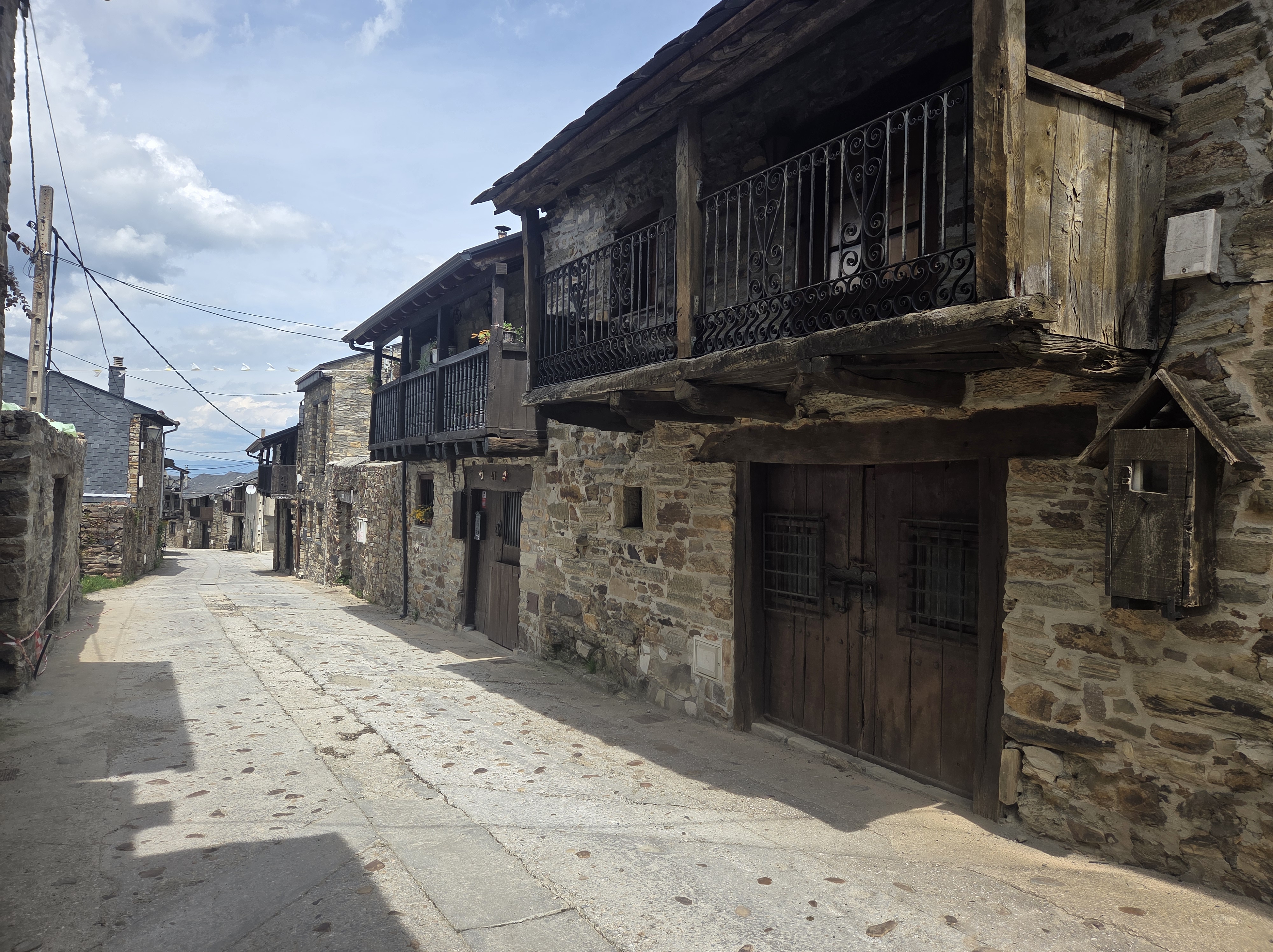
Welcome to Plaza Mayor in La Alberca. This charming little village’s appearance is unique due to a bit of French influence. It was named Spain’s first National Historic Monument in 1940.
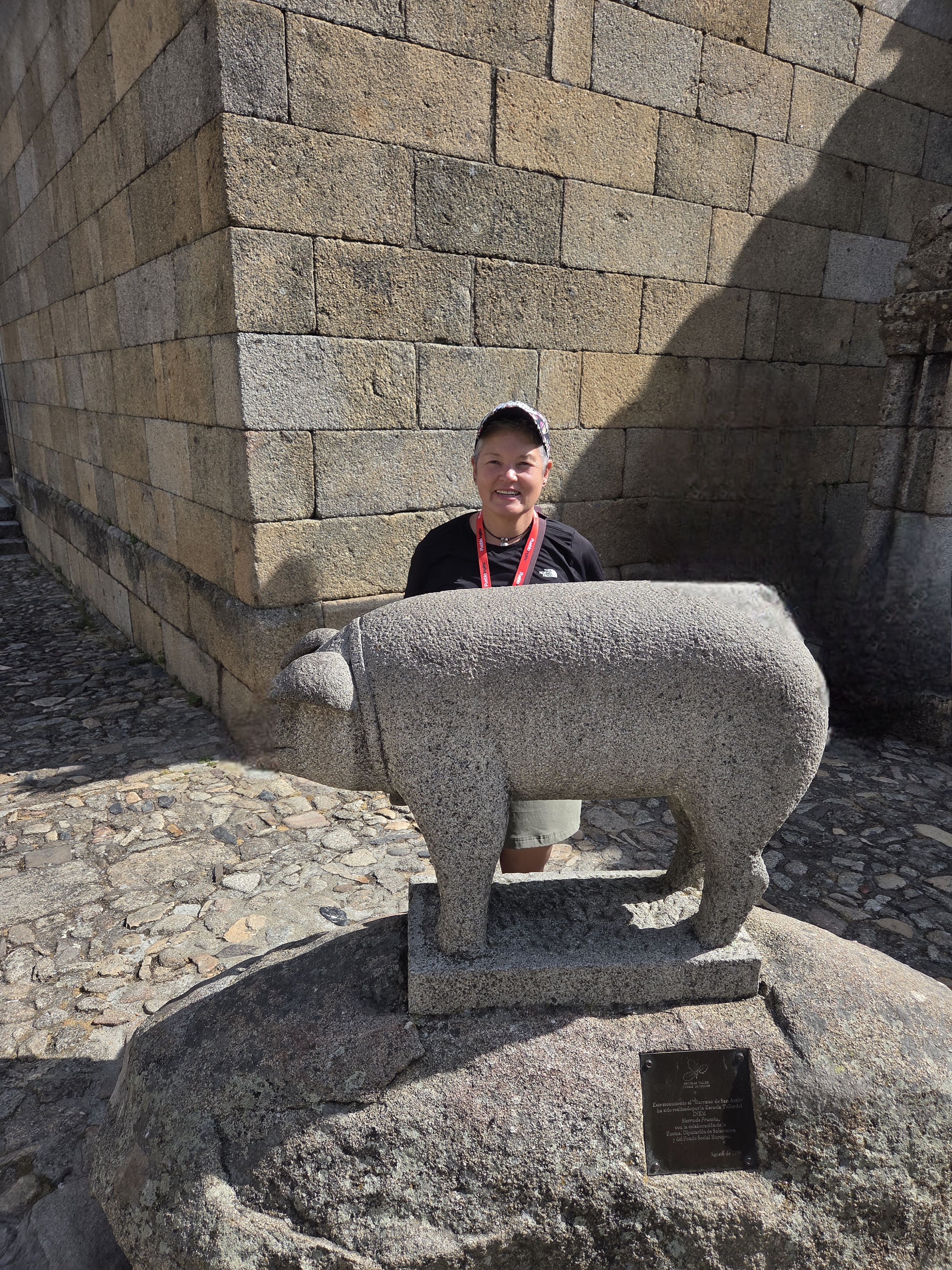
It also has a quirky custom of blessing and releasing a pig, Antón, into the village every June 13th. Until January 17th, it roams freely in the streets, fed by the local residents. This tradition has been around since the 16th century. If you don’t see Antón live, there is a granite sculpture behind the church. Hopeful couples will rub the statue’s reproductive parts for good luck.
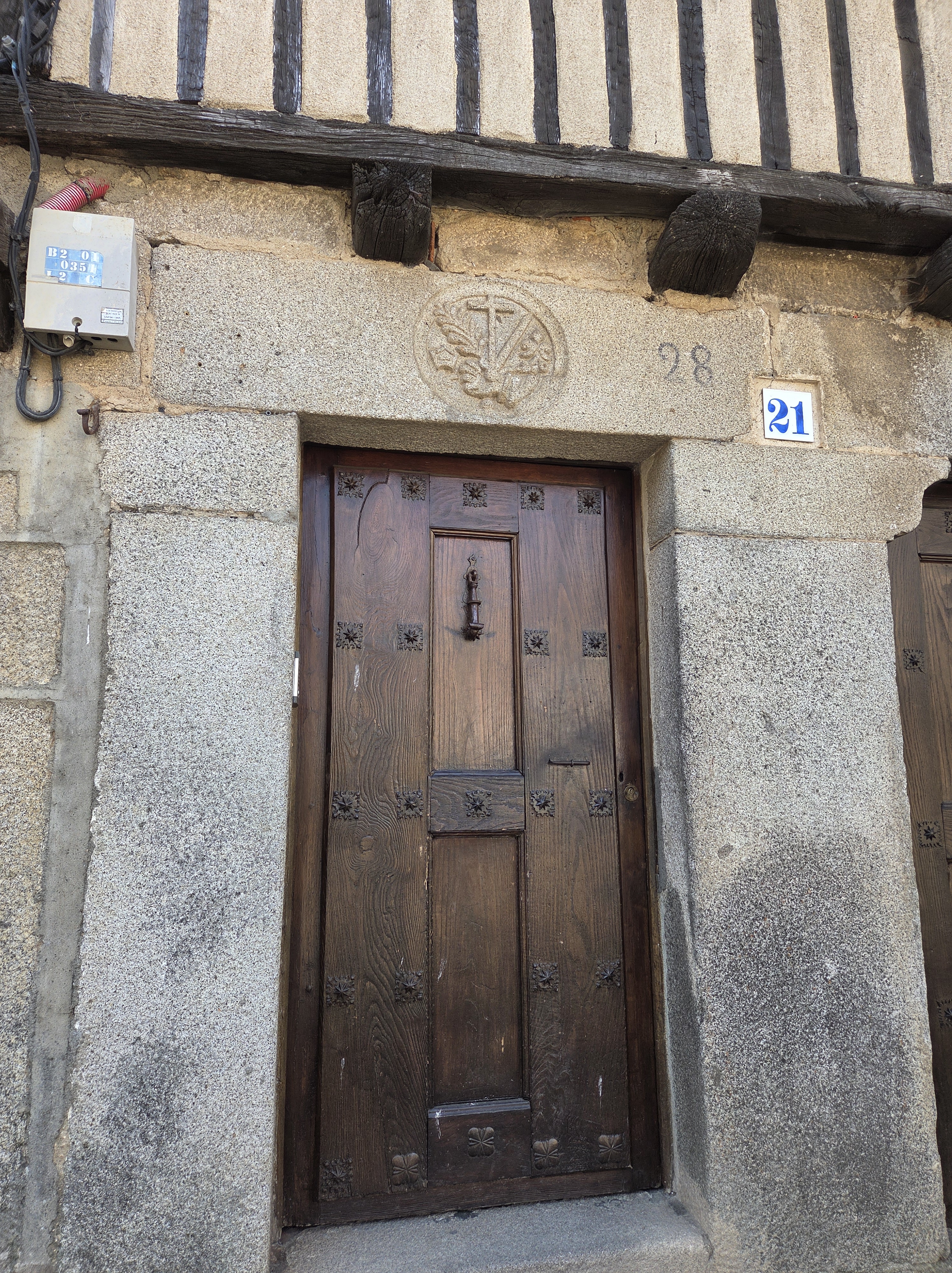
While La Alberca may look postcard perfect, it does have a dark history. The symbol above the doorway is the sign of the Spanish Inquisition. The converted Jews in La Alberca proved their Christianity by fattening a pig to protect themselves. (Perhaps a potential reason behind Antón.)
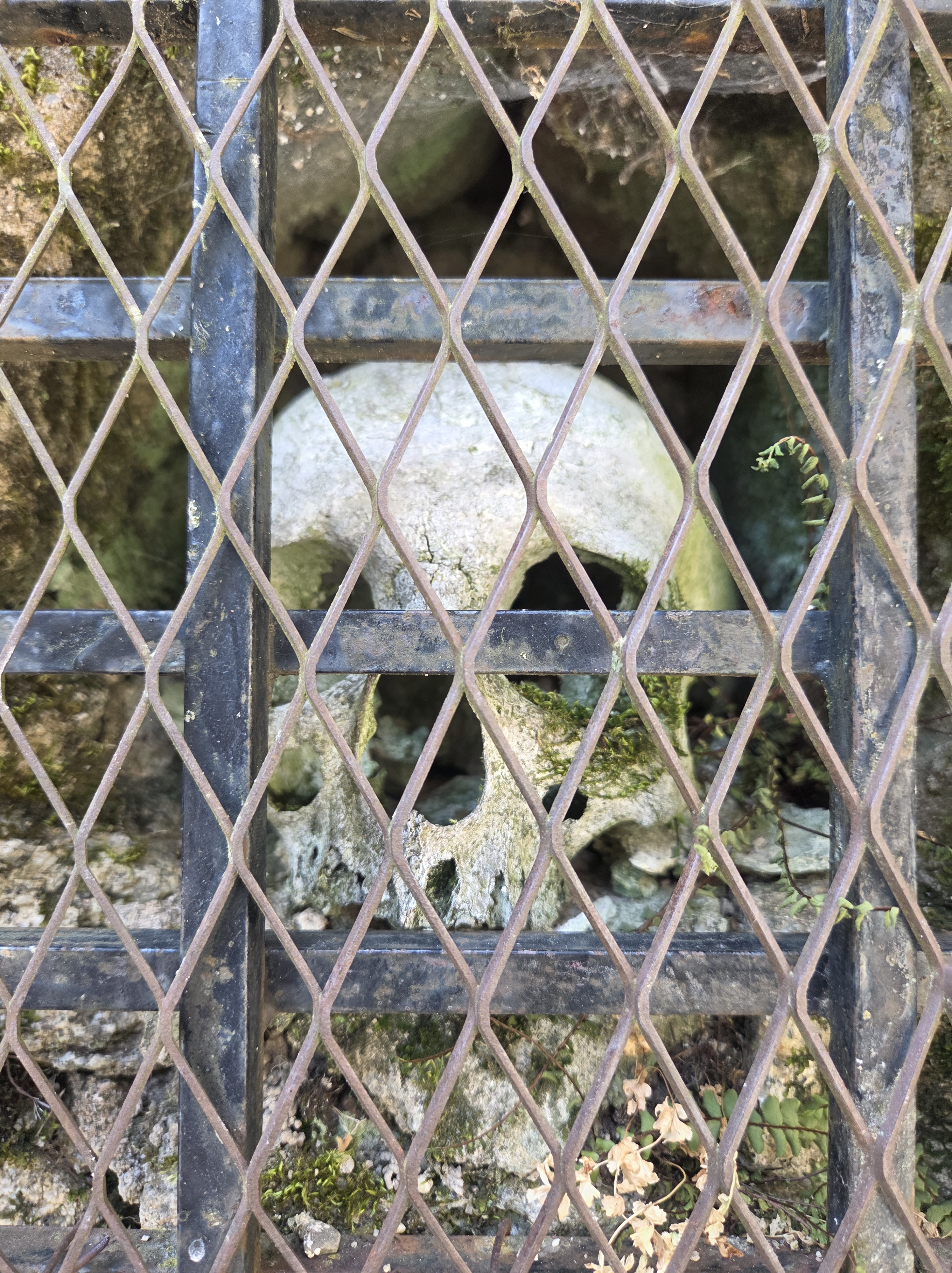
Ages ago, burial spaces in the floor of the church were granted to parishioners who contributed money. The larger the donation, the closer to the altar. The remains of peasants were placed inside the ossuary found outside the church. Local women took turns ringing a bell every evening and praying for these less fortunate souls suffering in purgatory. This practice still takes place today.
Its customs may be rooted in grim practices but La Alberca is an endearing gem nestled in the province of Salamanca.
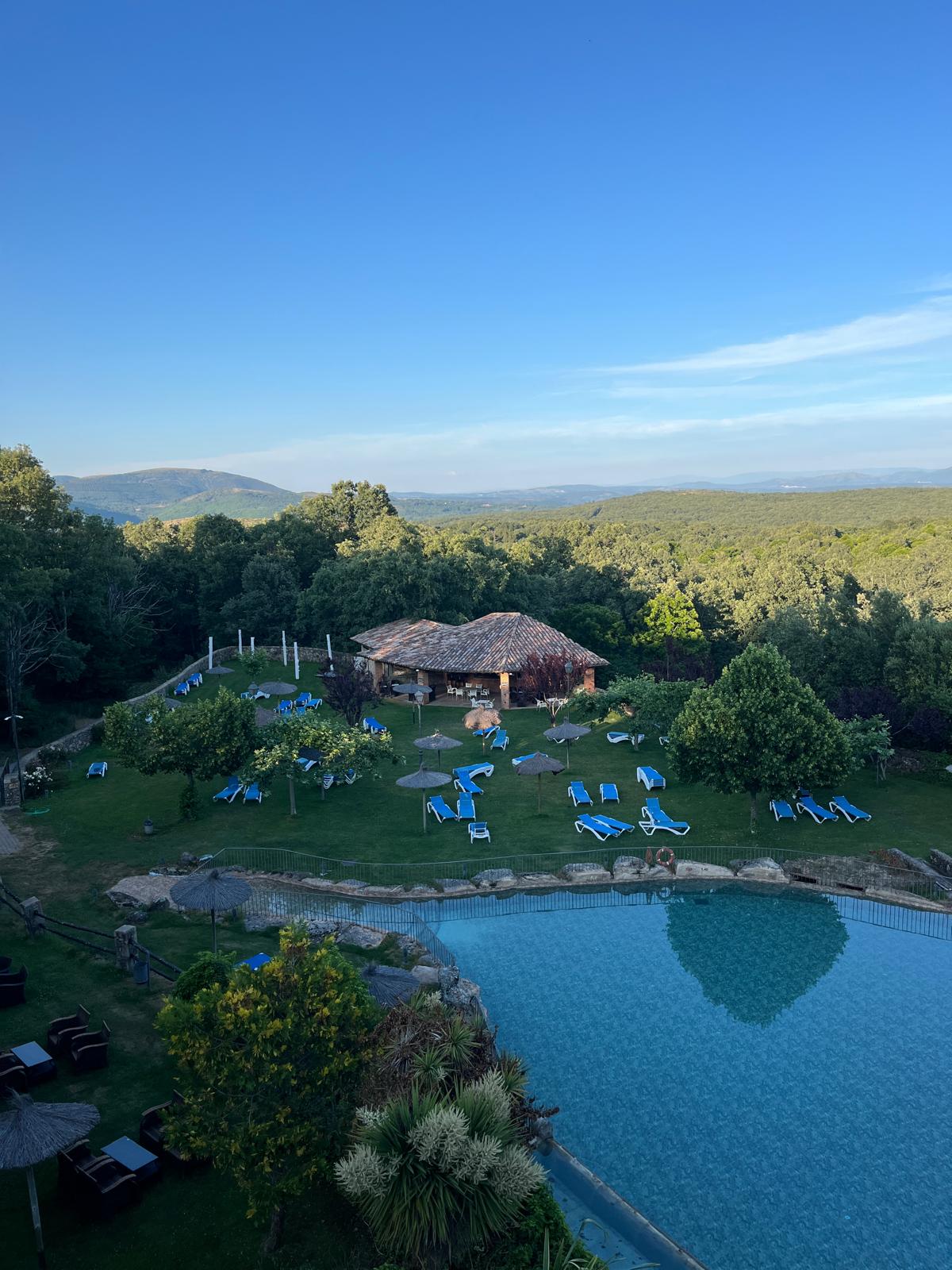
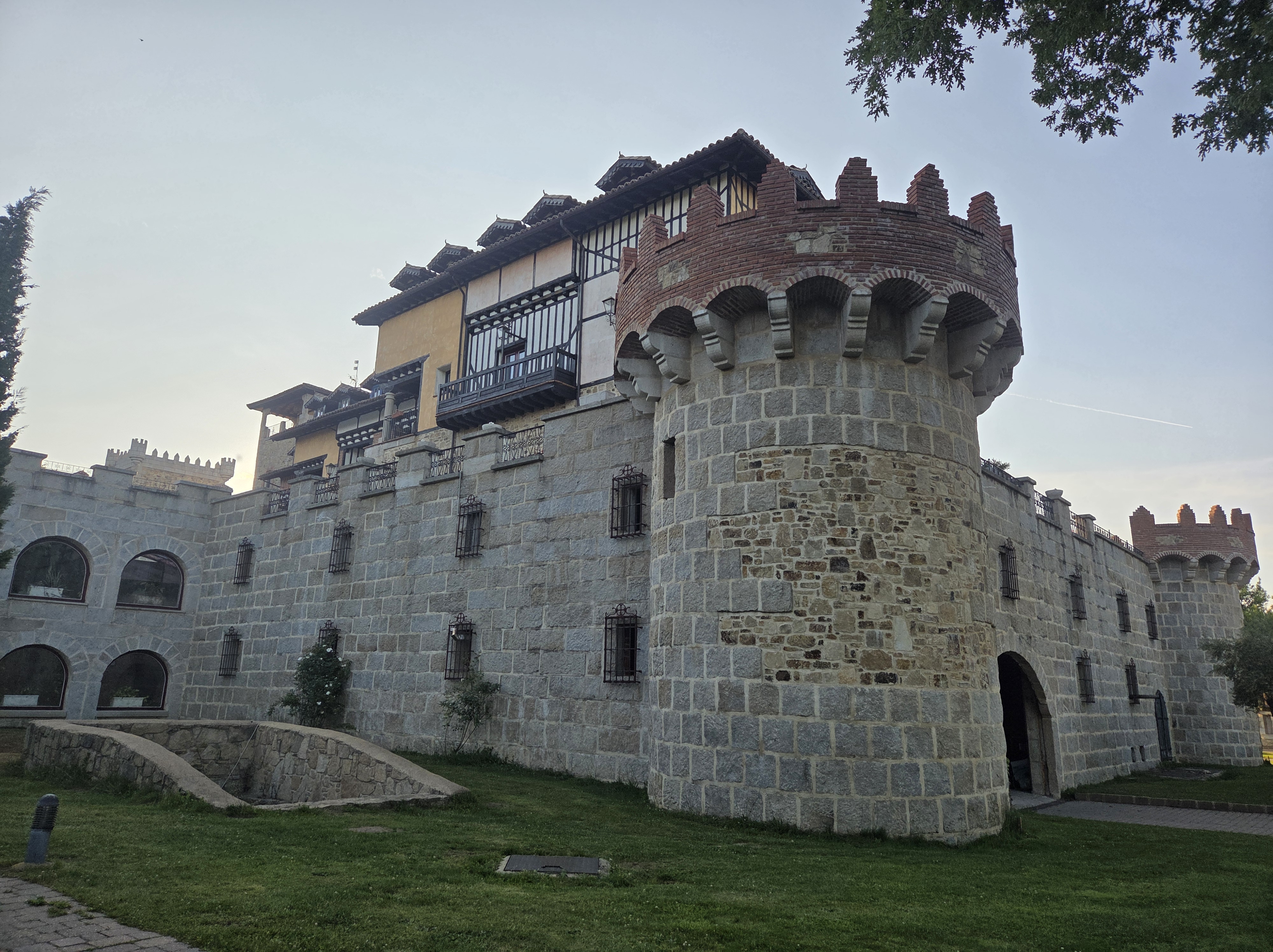
My initial view of the resort, Abadía de los Templarios, in La Alberca, where I’m volunteering with Pueblo Inglés for the week.
While the village is quite old, the hotel is clearly not.
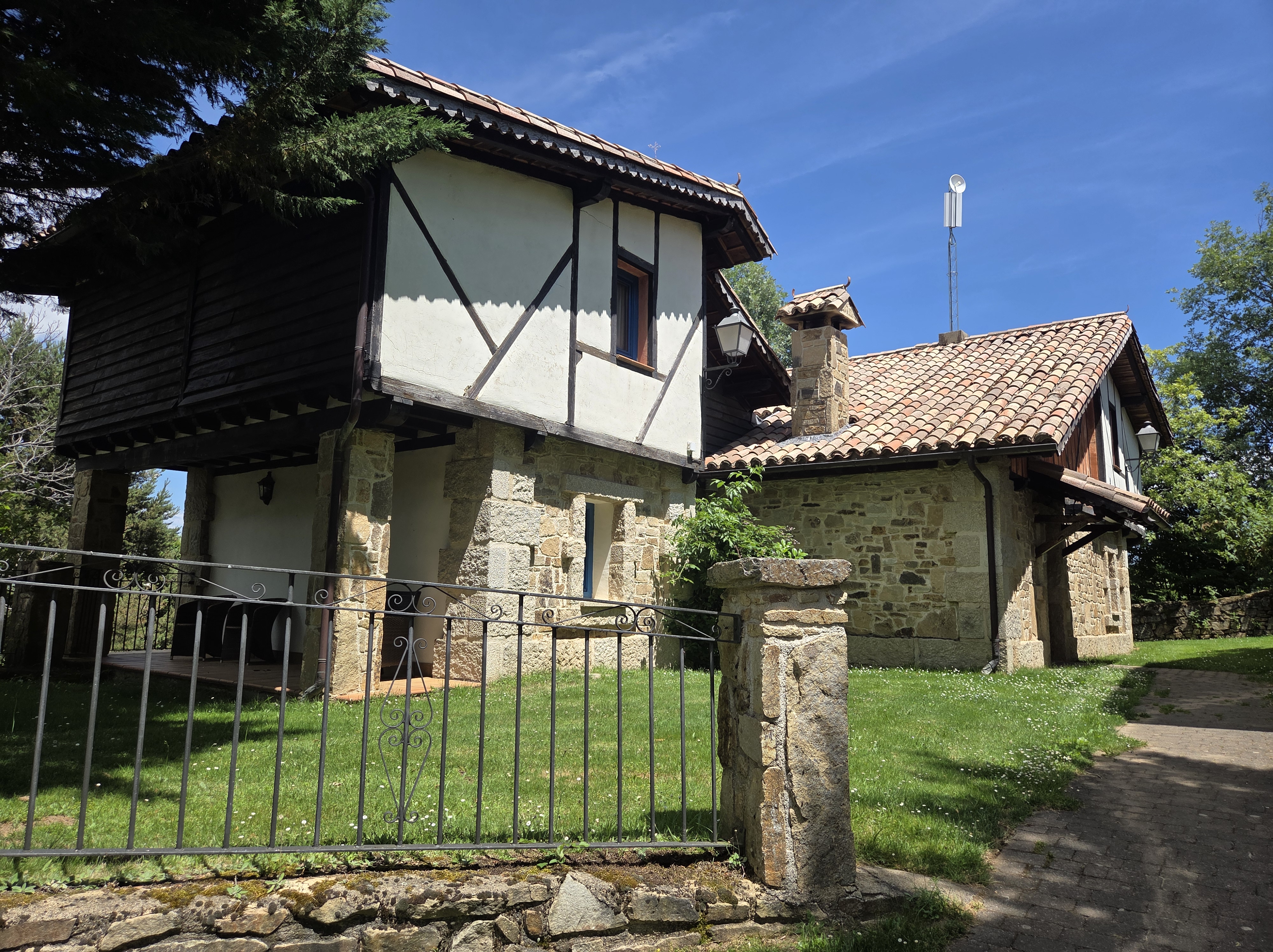
It is a rather extensive property with trails, pools, and over 40 villas.
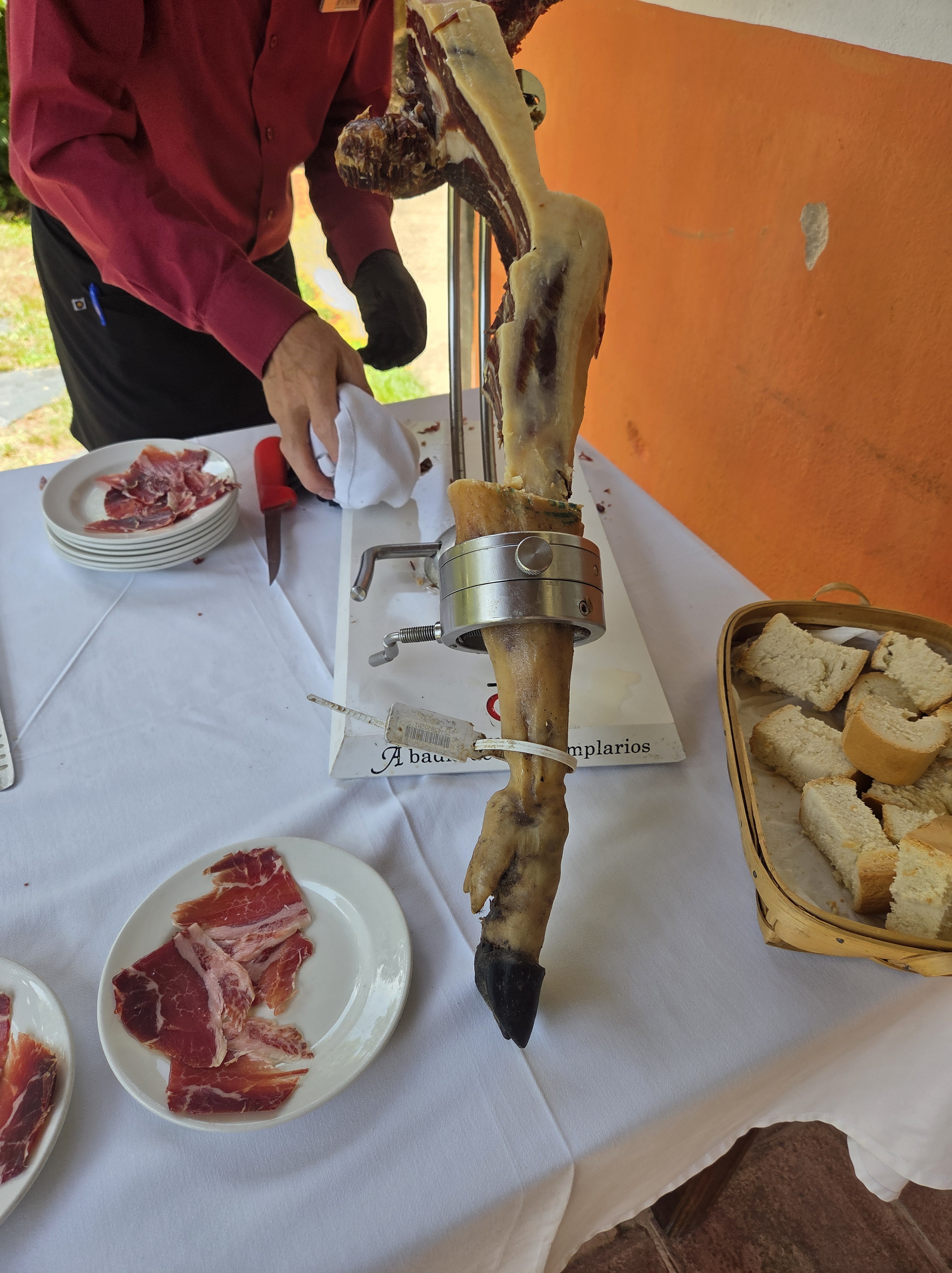
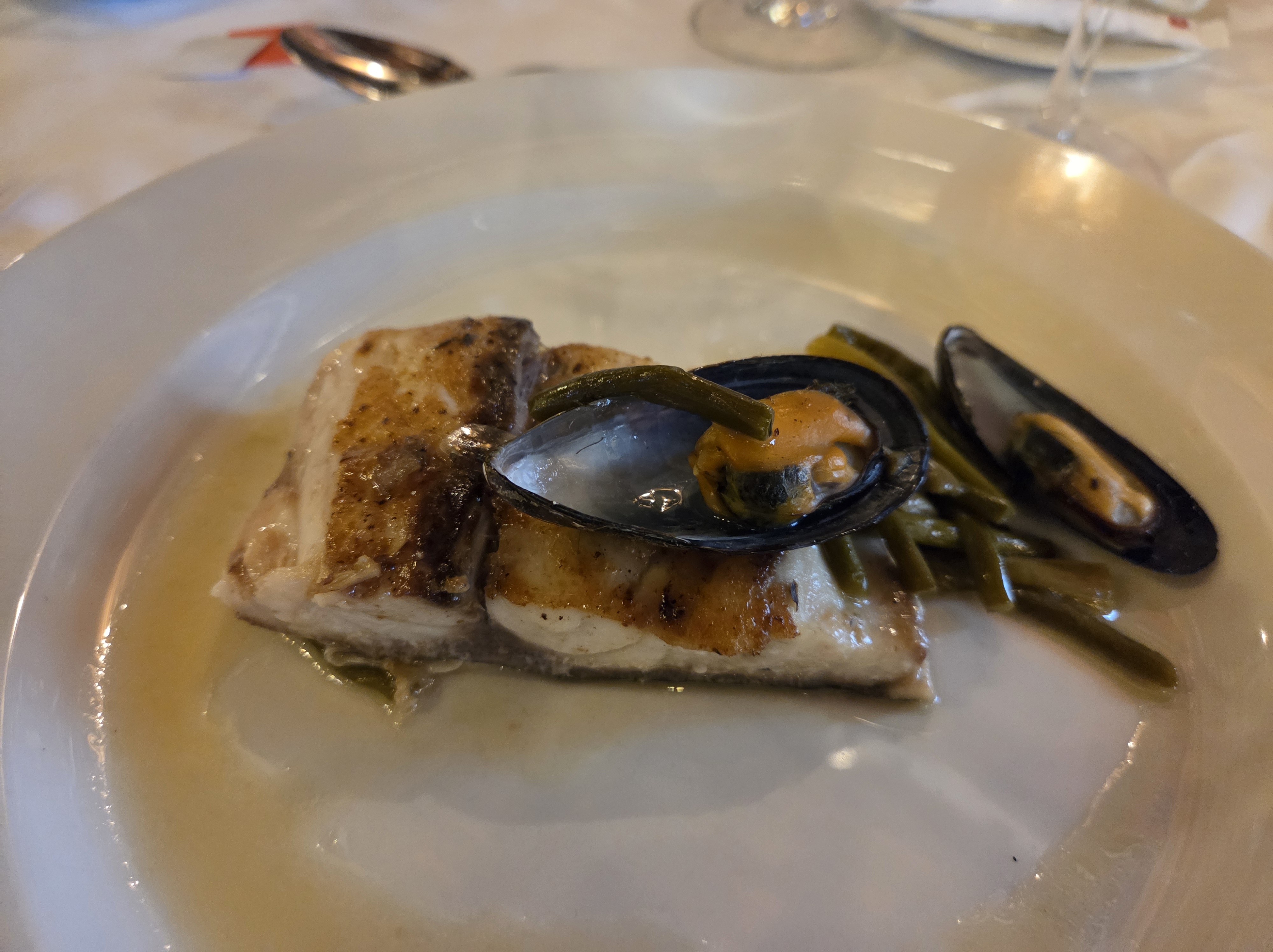
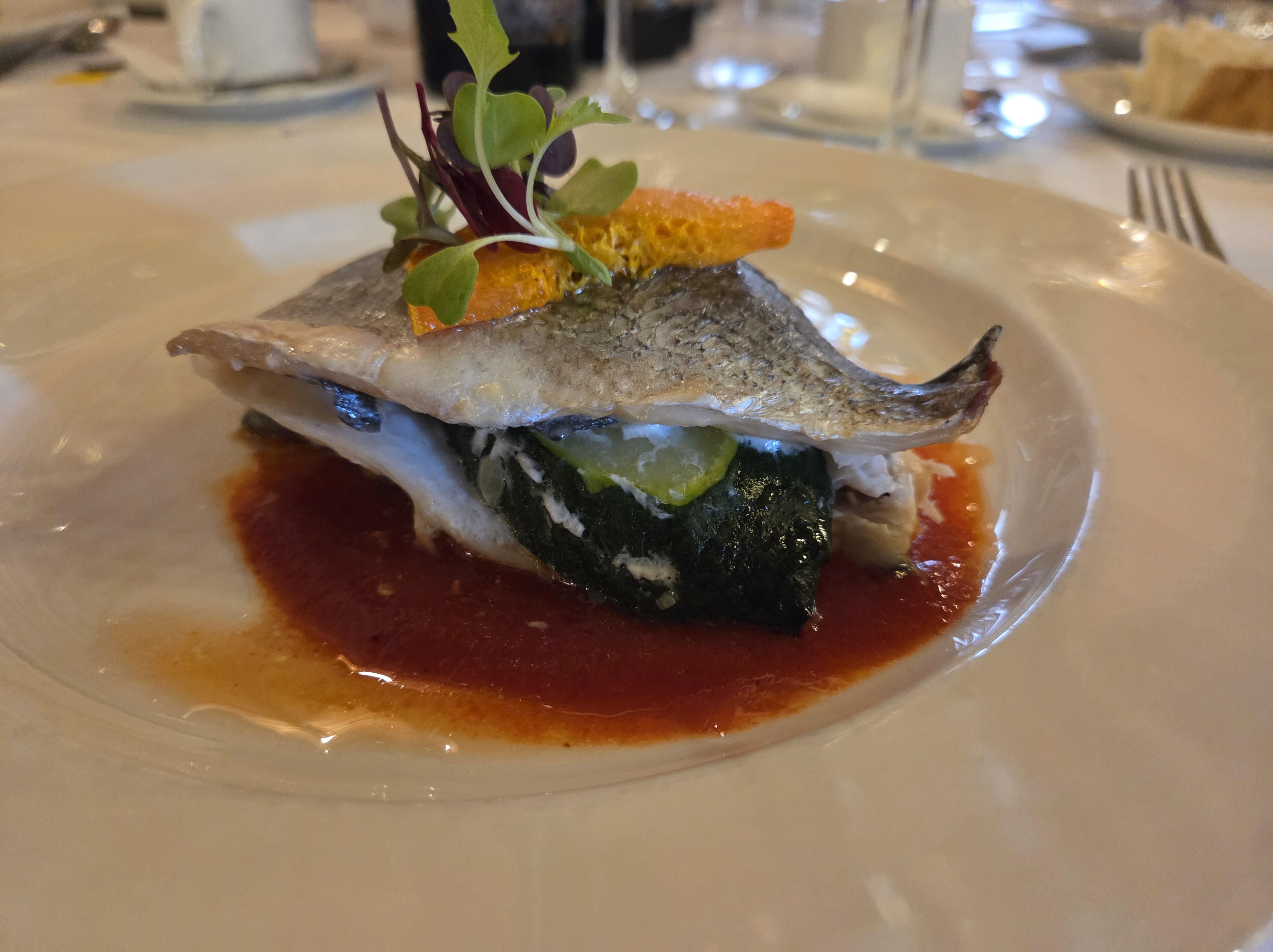
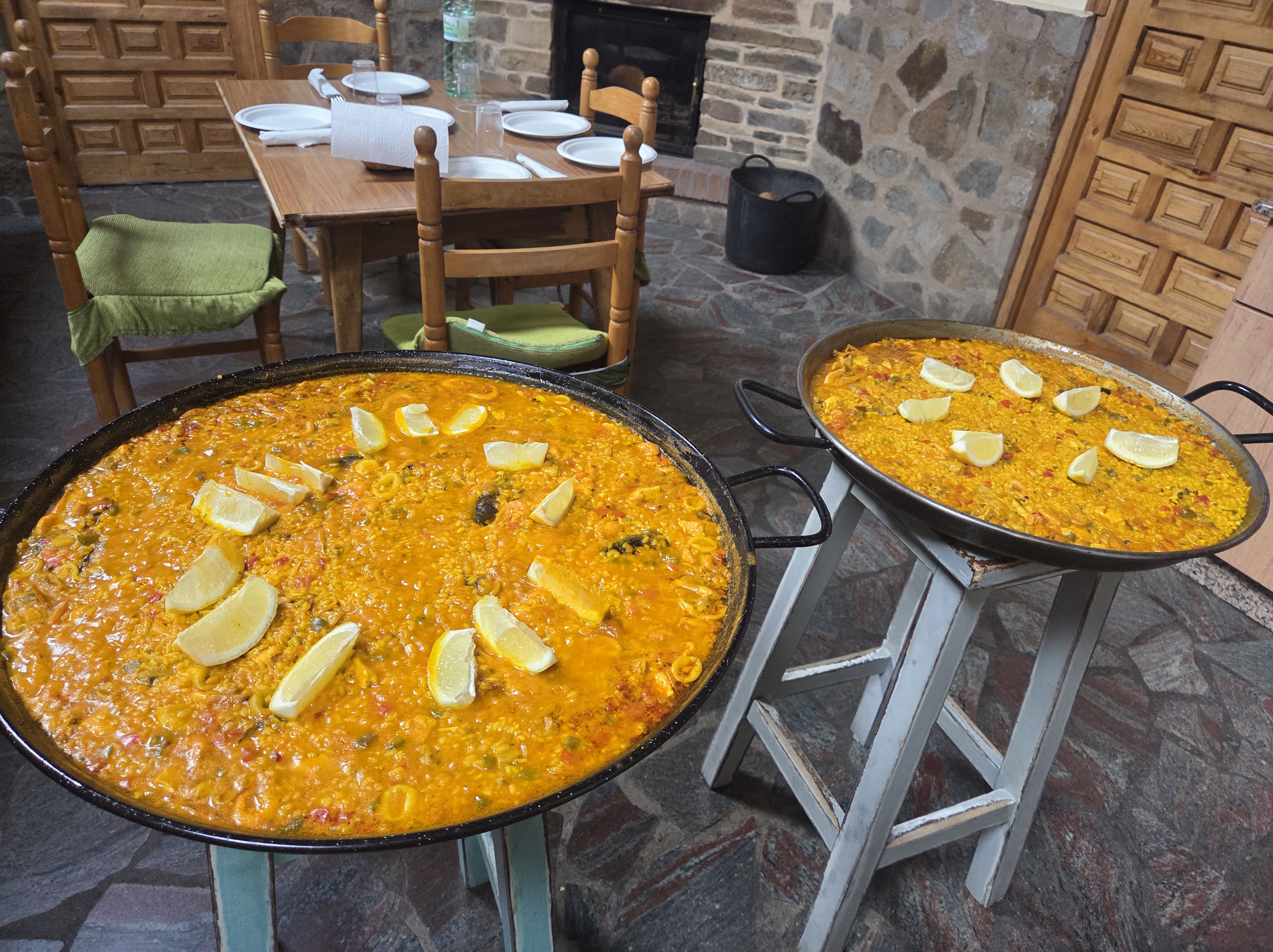
The villa I’m staying in has two floors. While the living room and kitchenette are shared, my roommate and I have separate bedrooms and bathrooms. I’m excited to be able to unpack for an entire week. If the food is as good as today, it will be a great (but potentially fattening) week.
The Albergue de Nuestra Señora del Pilar in Rabanal del Camino had so much potential, I really wanted to like it. Unfortunately, the bunks were uncomfortable and the room was freezing. It wasn’t my best night’s sleep but the morning was bright and sunny.
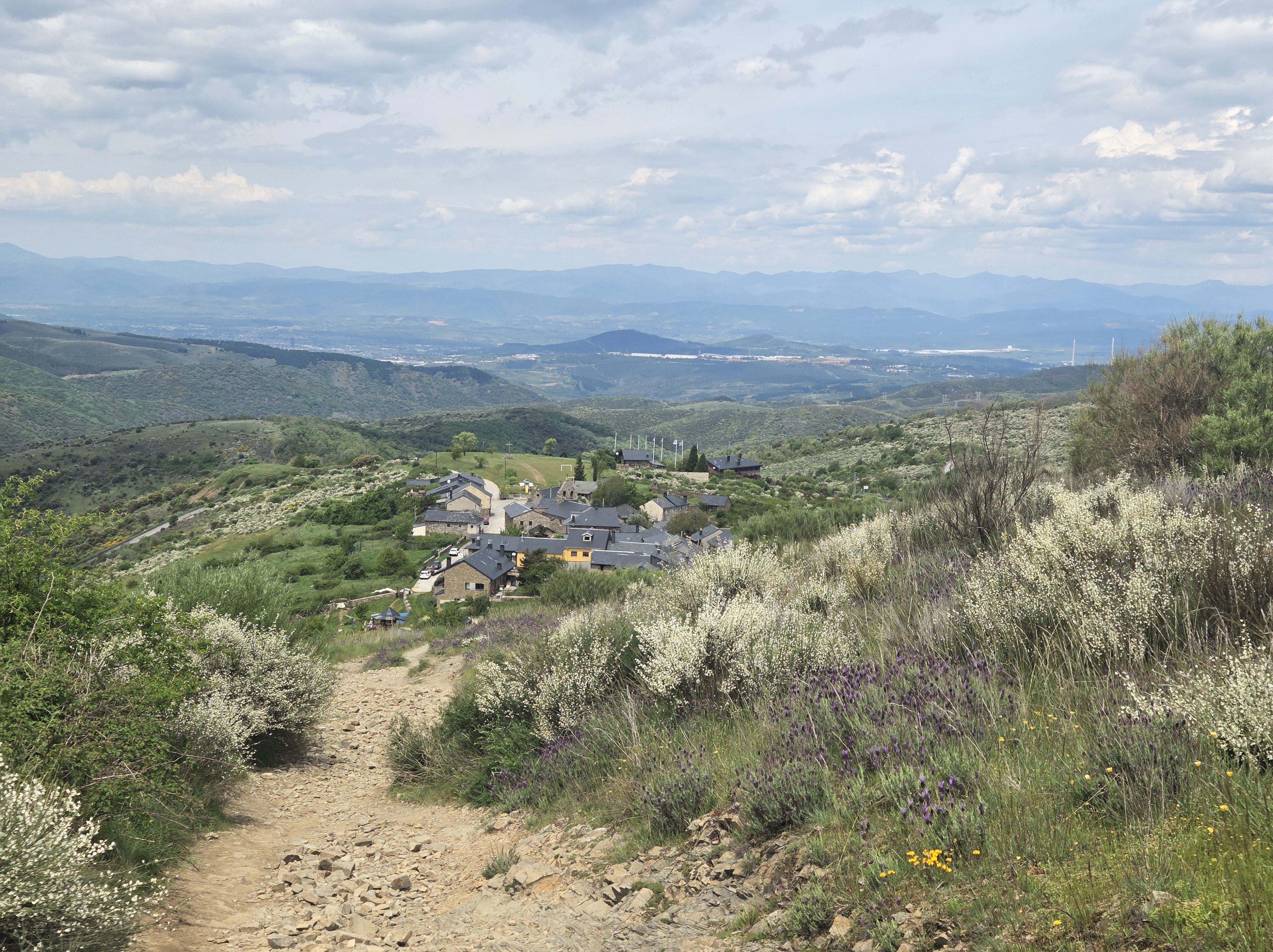
It’s a hike up to Foncebadón
but the cafe at Albergue Monte Irago is a welcome pit stop especially for the apple pie,
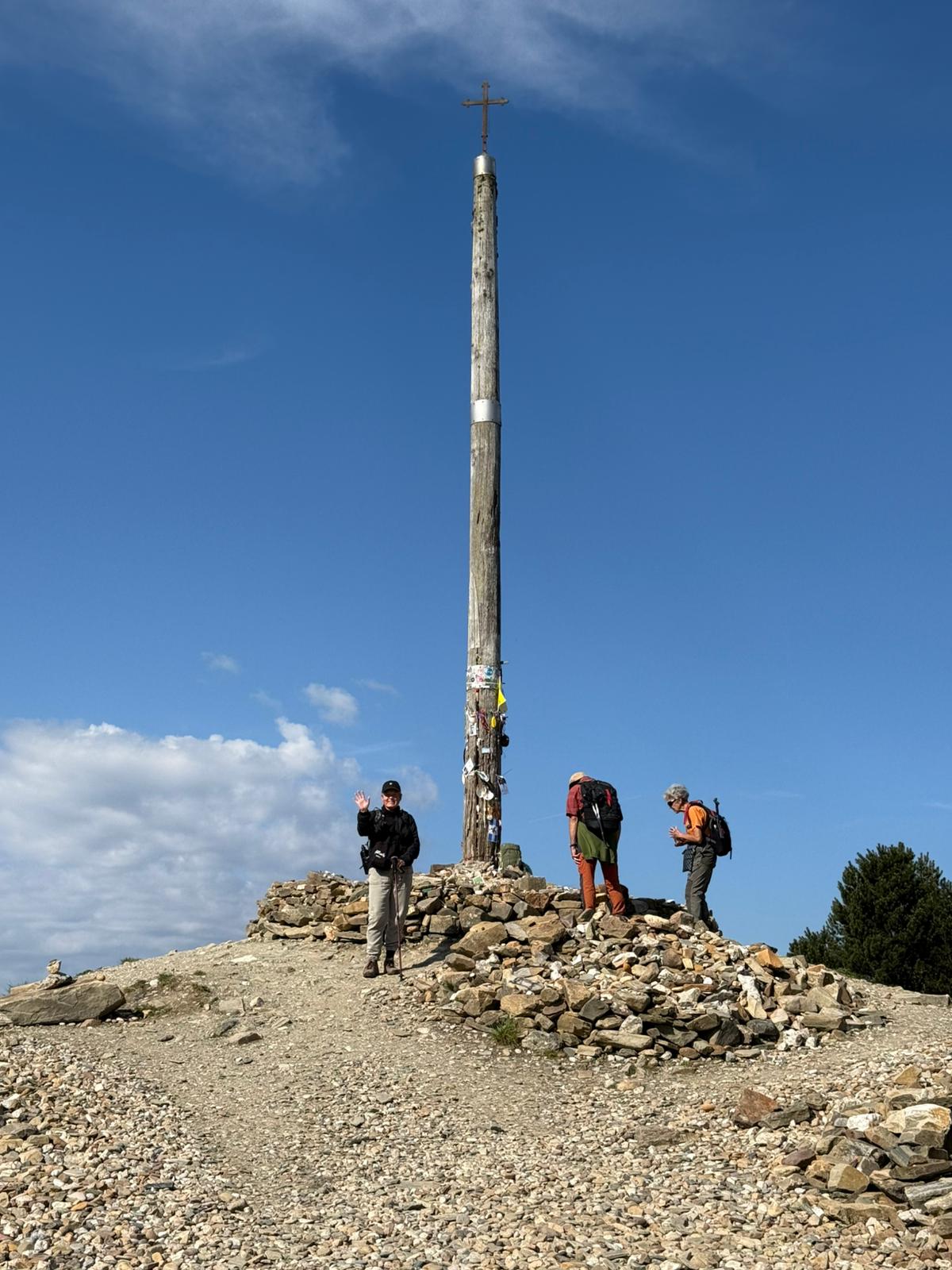
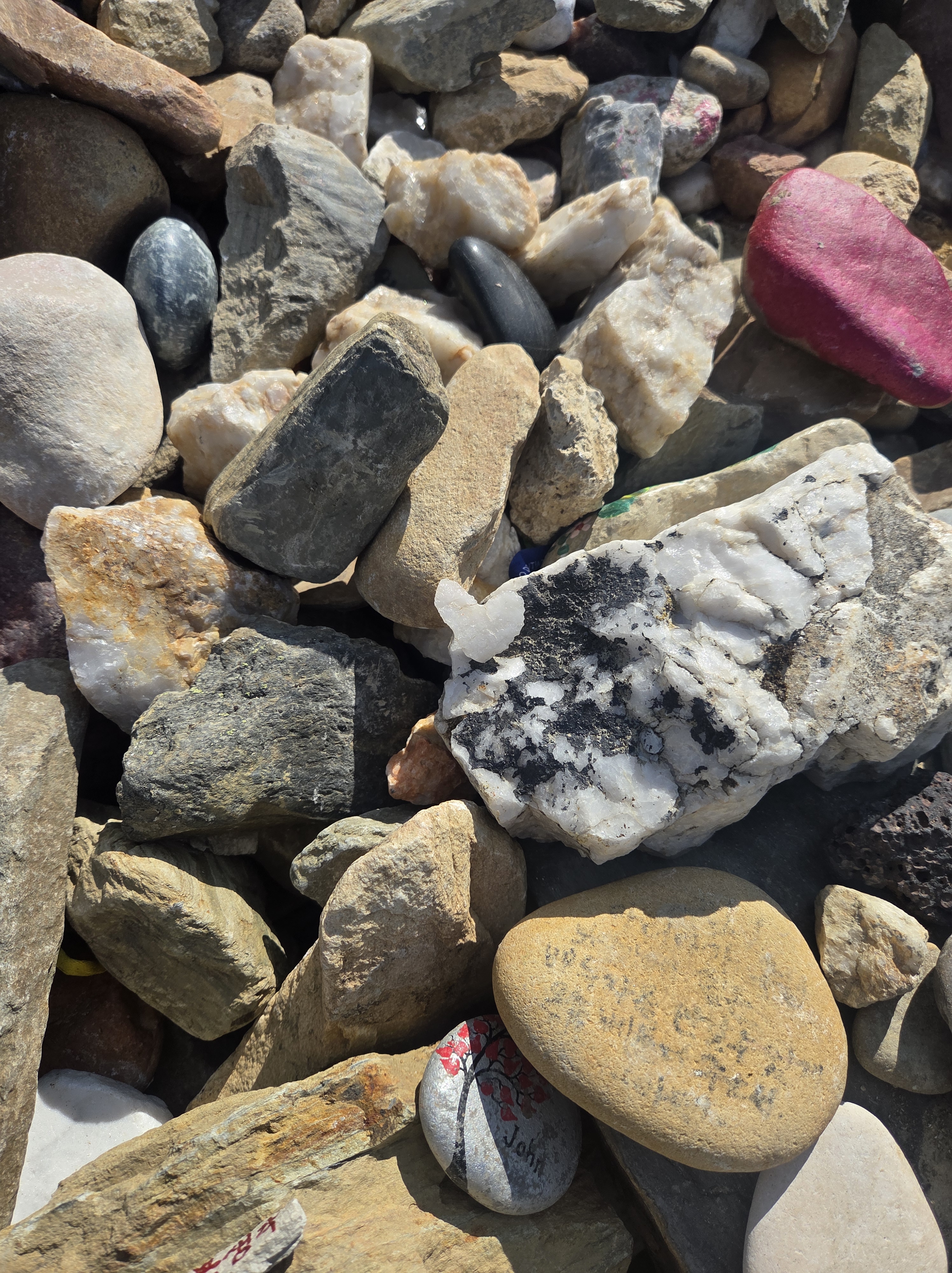
which helped me make it up to the Cruz de Ferro.
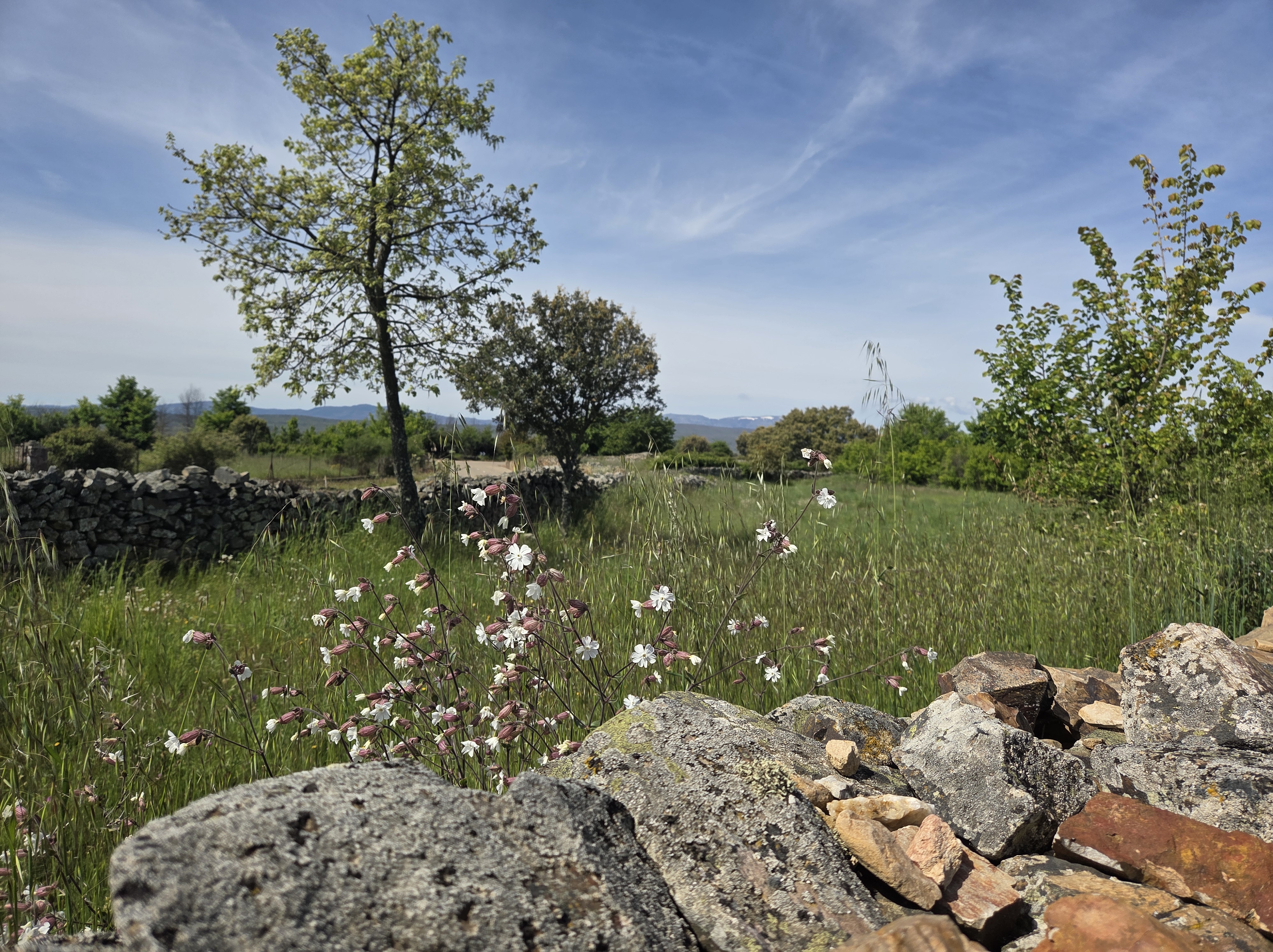
It was such a pleasure to be back in the mountains.
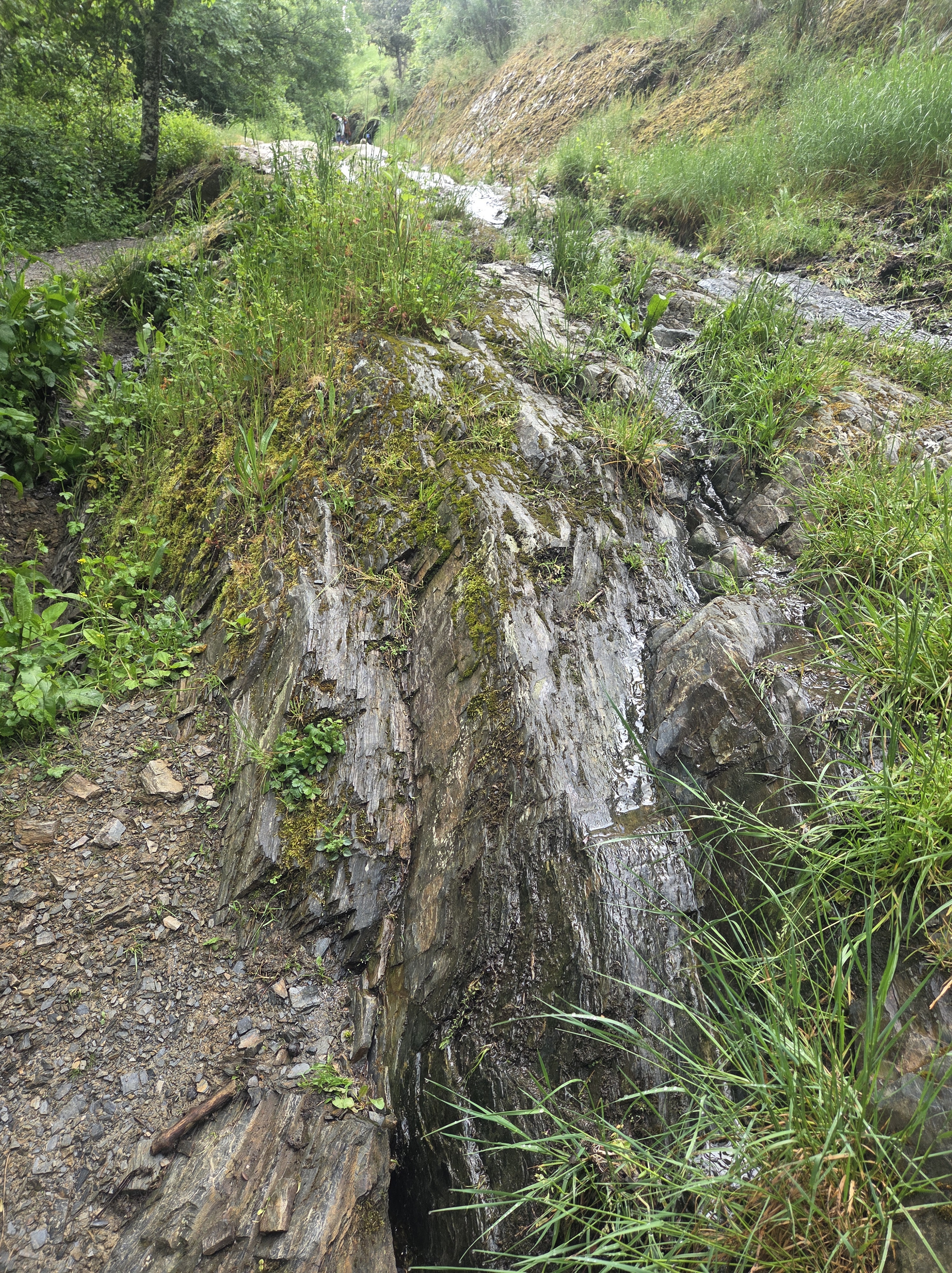
Even the rocky, feet- destroying path, was beautiful in its own way.
There were so many pictures to choose from to represent the day.
I just kept stopping to capture the scenery.
Until little El Acebo came into view.
My feet were hurting so I decided to try my luck again at finding an available bed and (hopefully) a better night’s sleep.
What a difference a day makes. Unsure of what lied ahead, I took pictures of anything even remotely interesting.
I needn’t have worried but to hedge my bets, I did take the more scenic route.
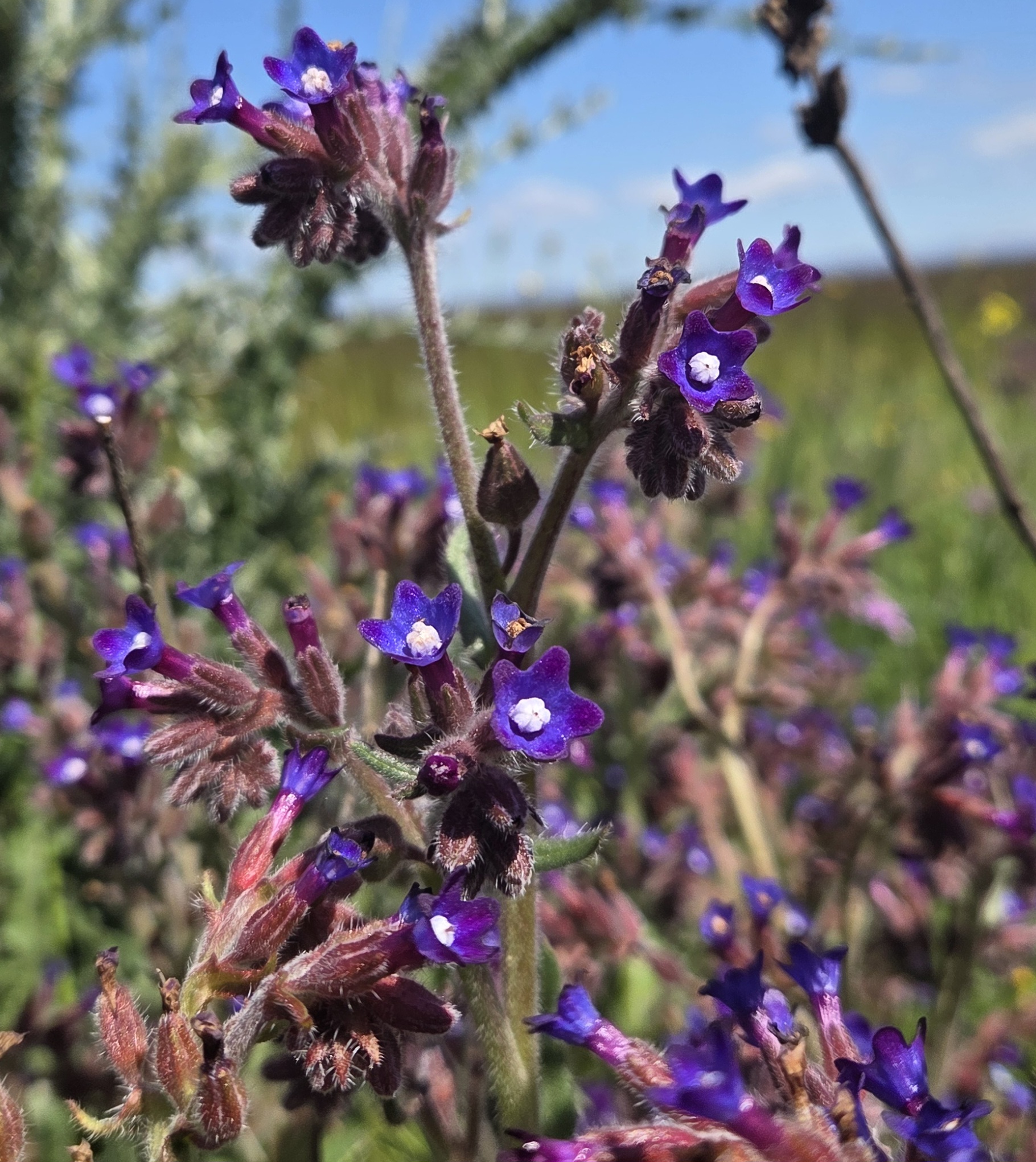
There was no shortage of visual stimulation.
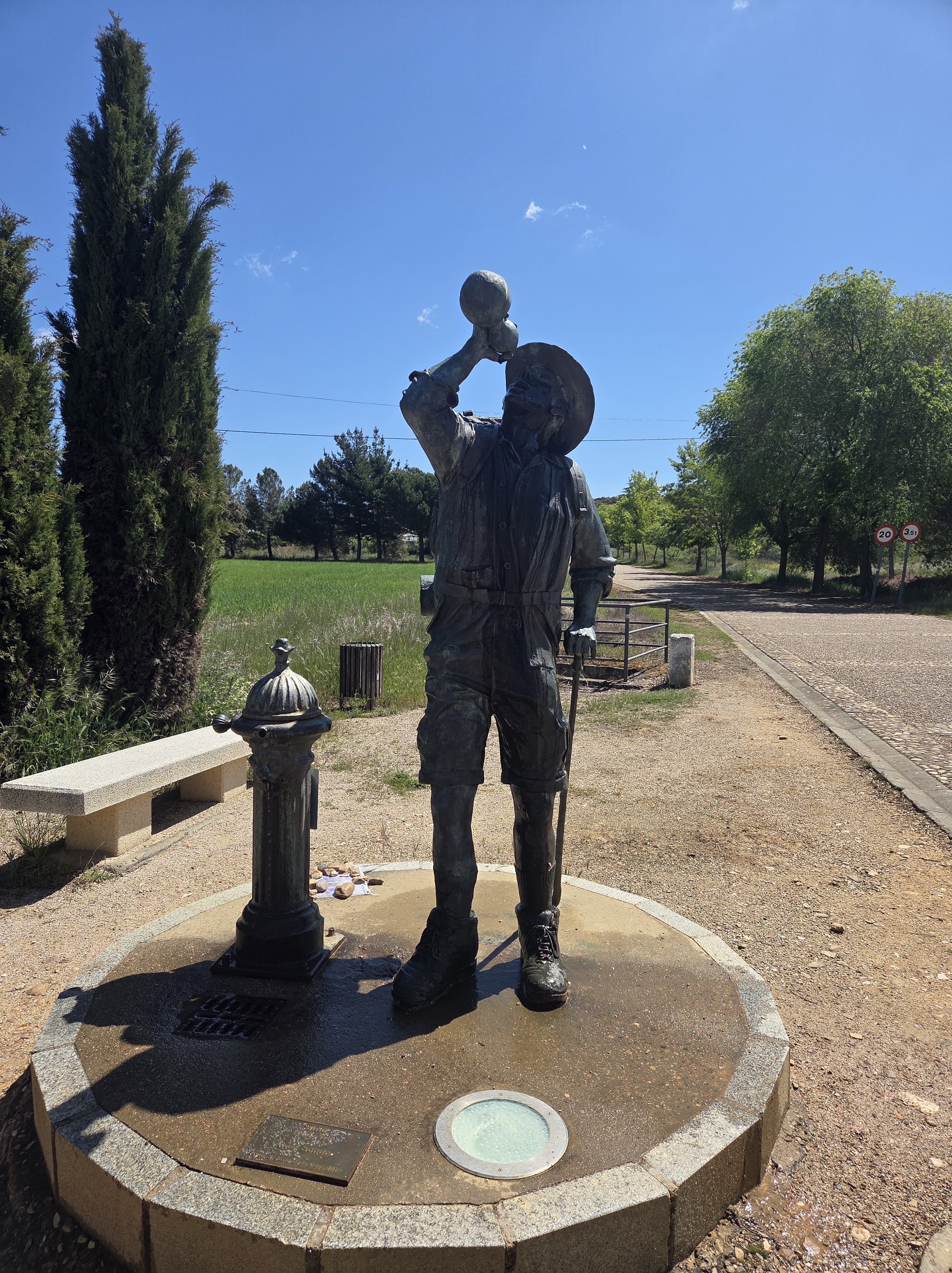
Manmade or otherwise.
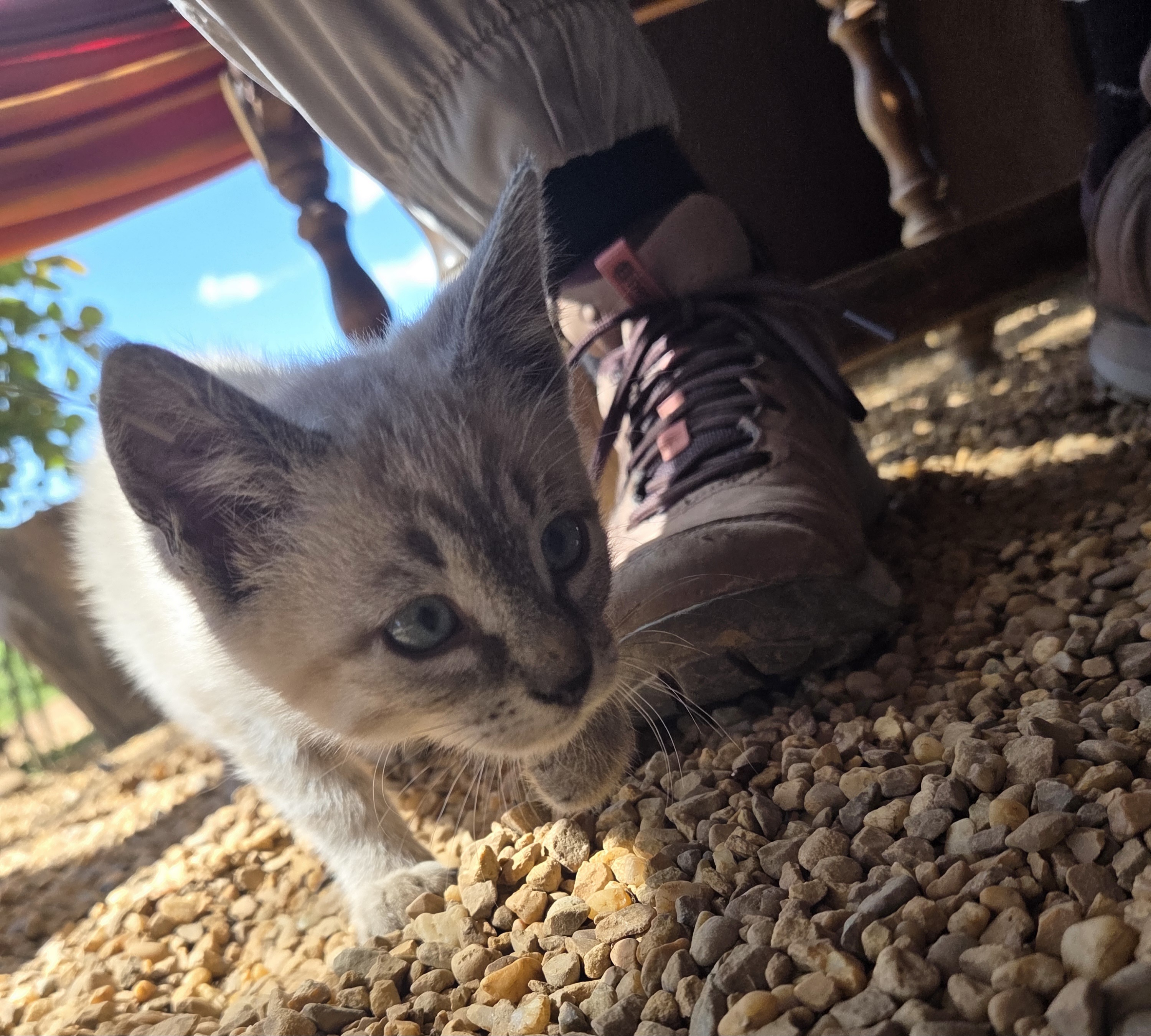
Inquisitive or curious.
The view from the stone cross on an elevation, from which you can see the towns of San Justo de la Vega and, a little further, Astorga, is an eye-opener.
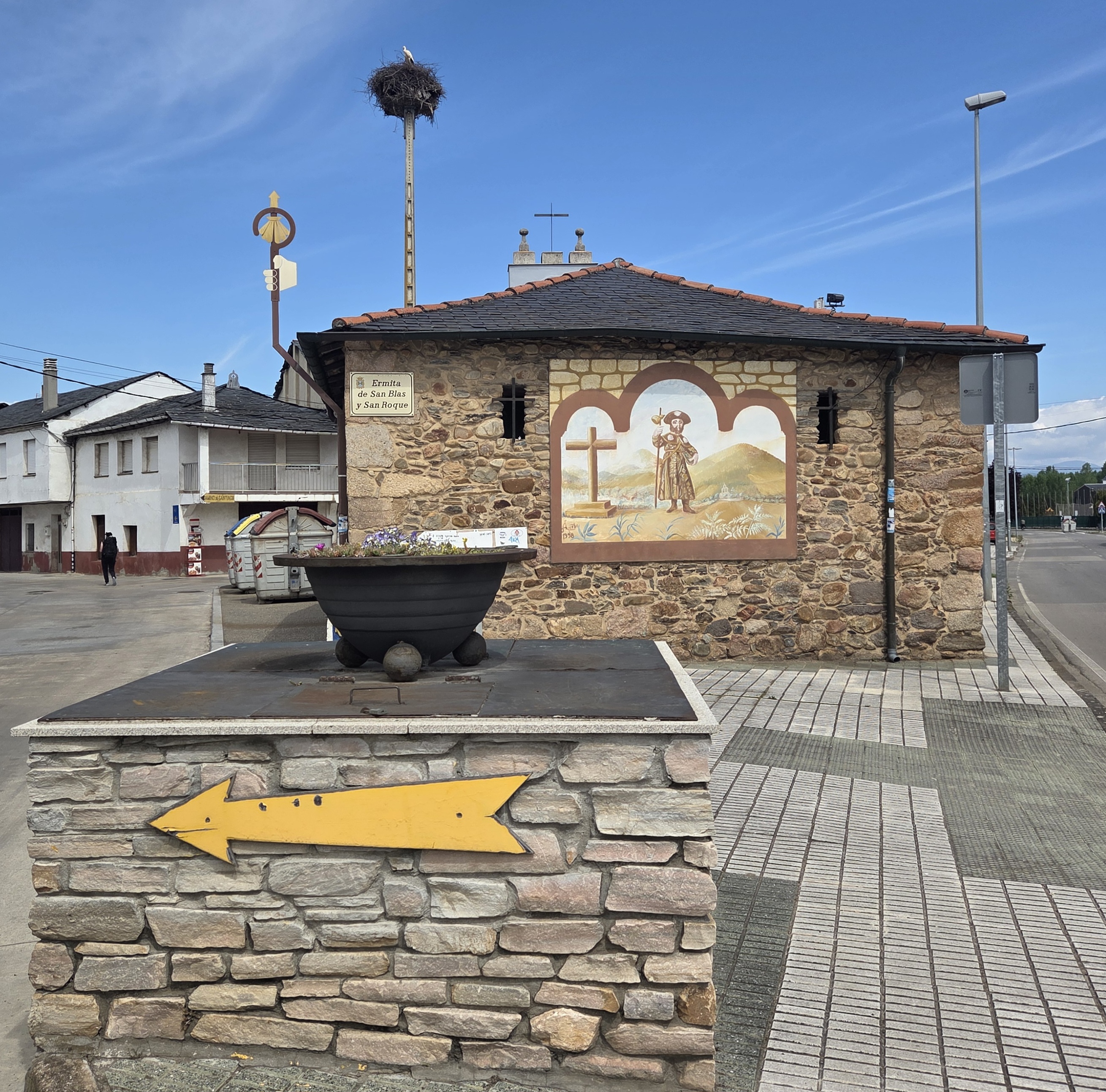
Even the murals grab your attention.
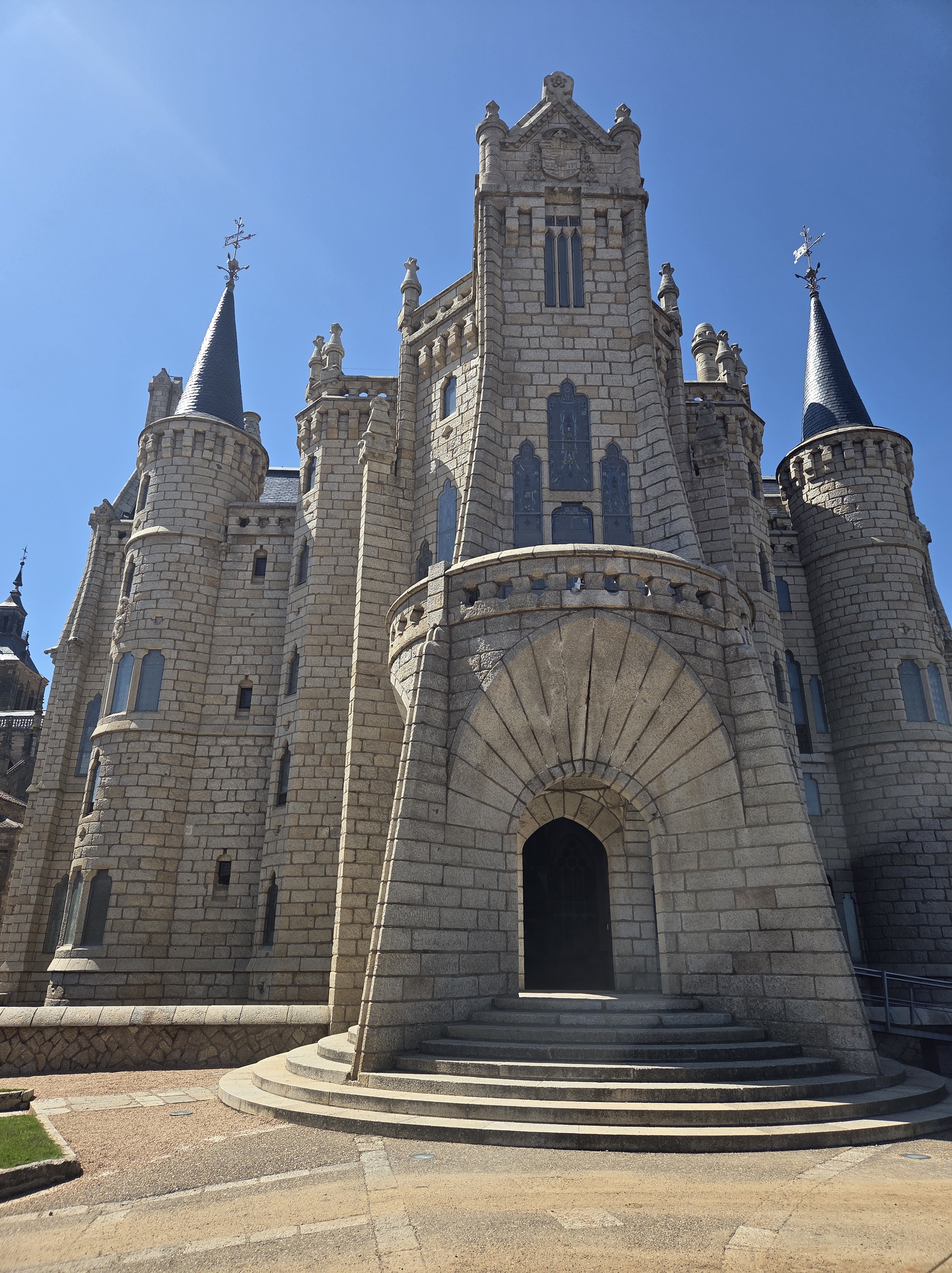
Then, the Palace of Gaudí Astorga.
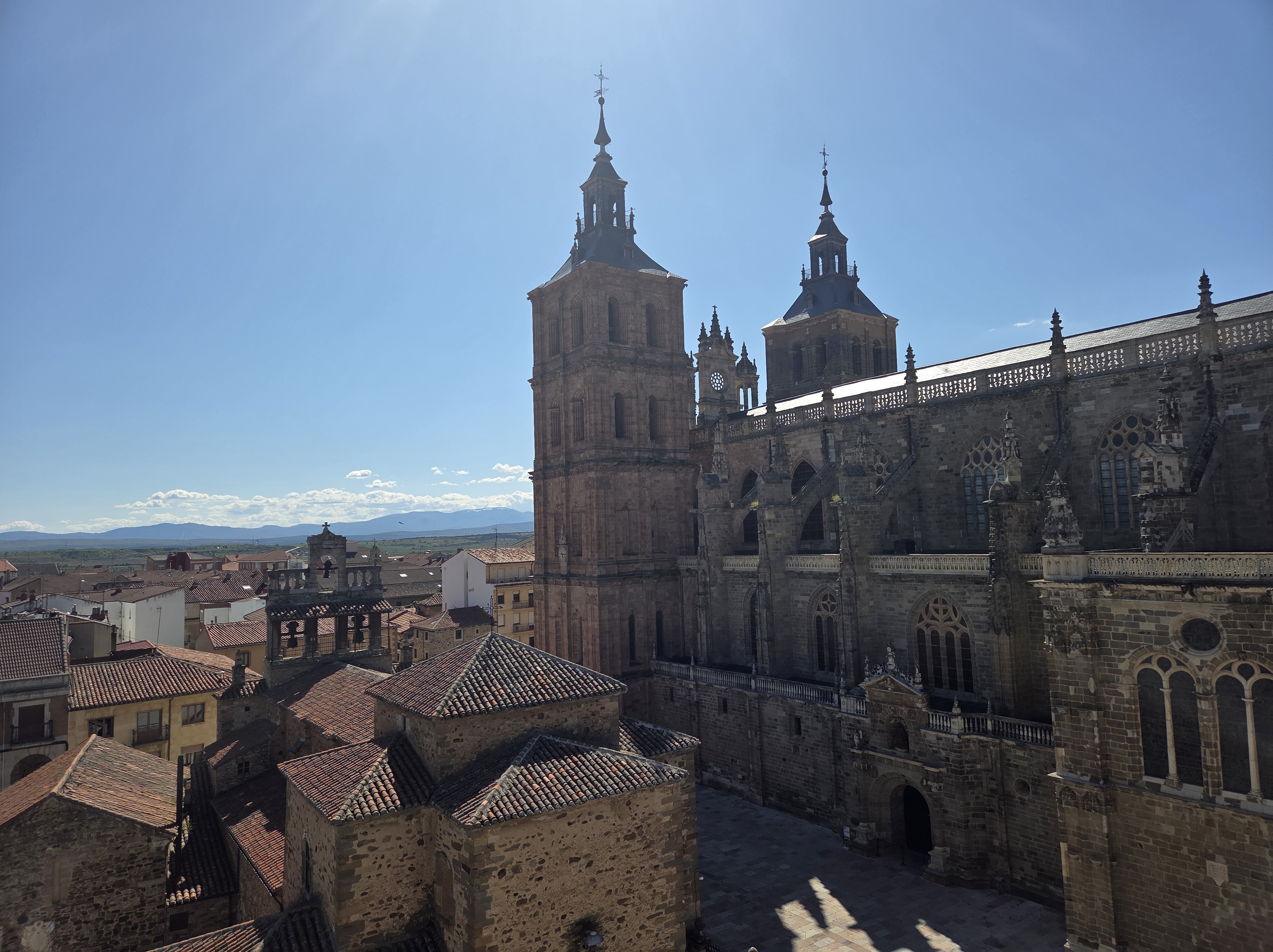
And it’s view from the roof, of the cathedral and even snow in the distant mountain.
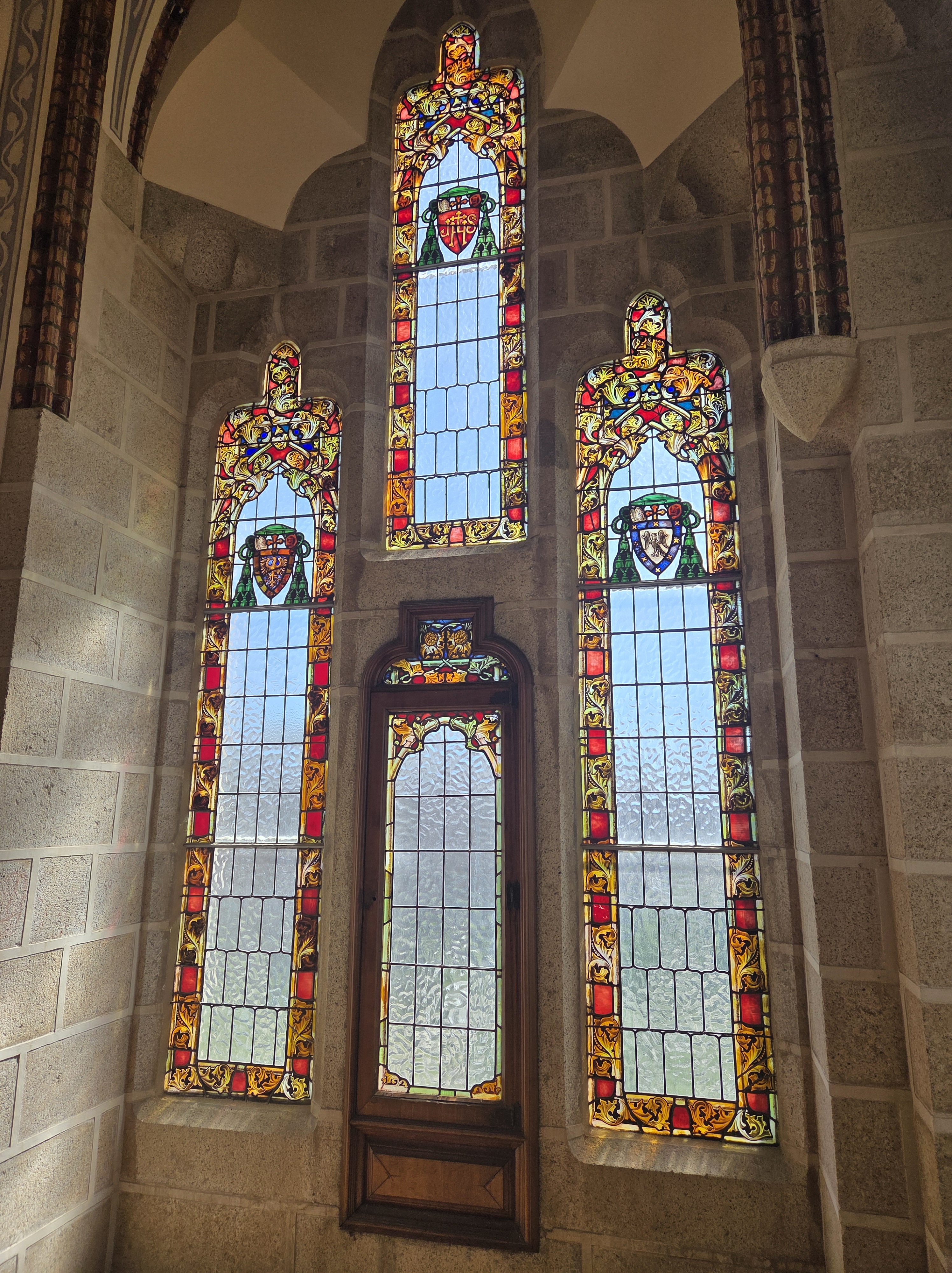
The stained glass is breathtaking but not quite as startling as my need of a haircut.
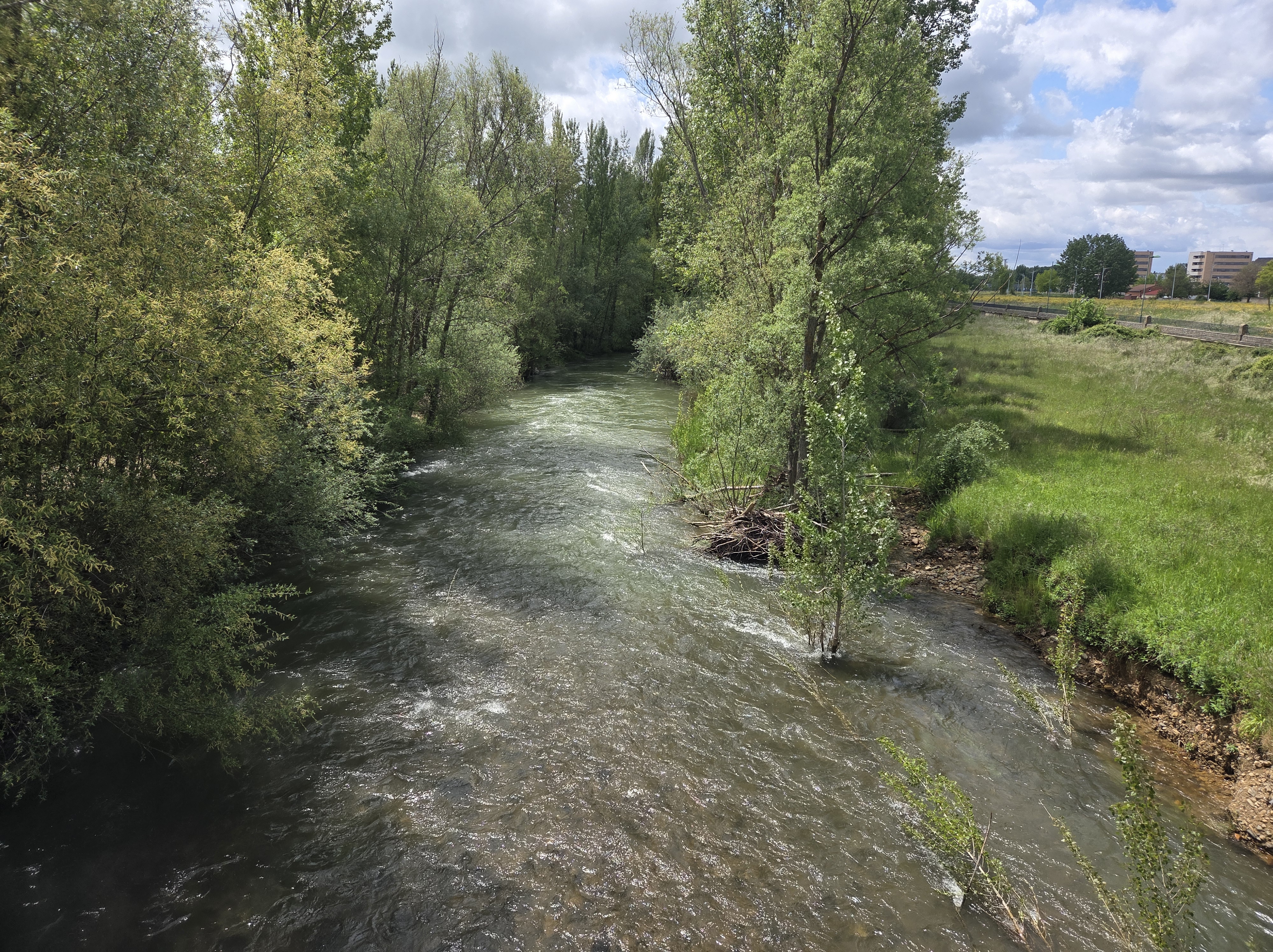
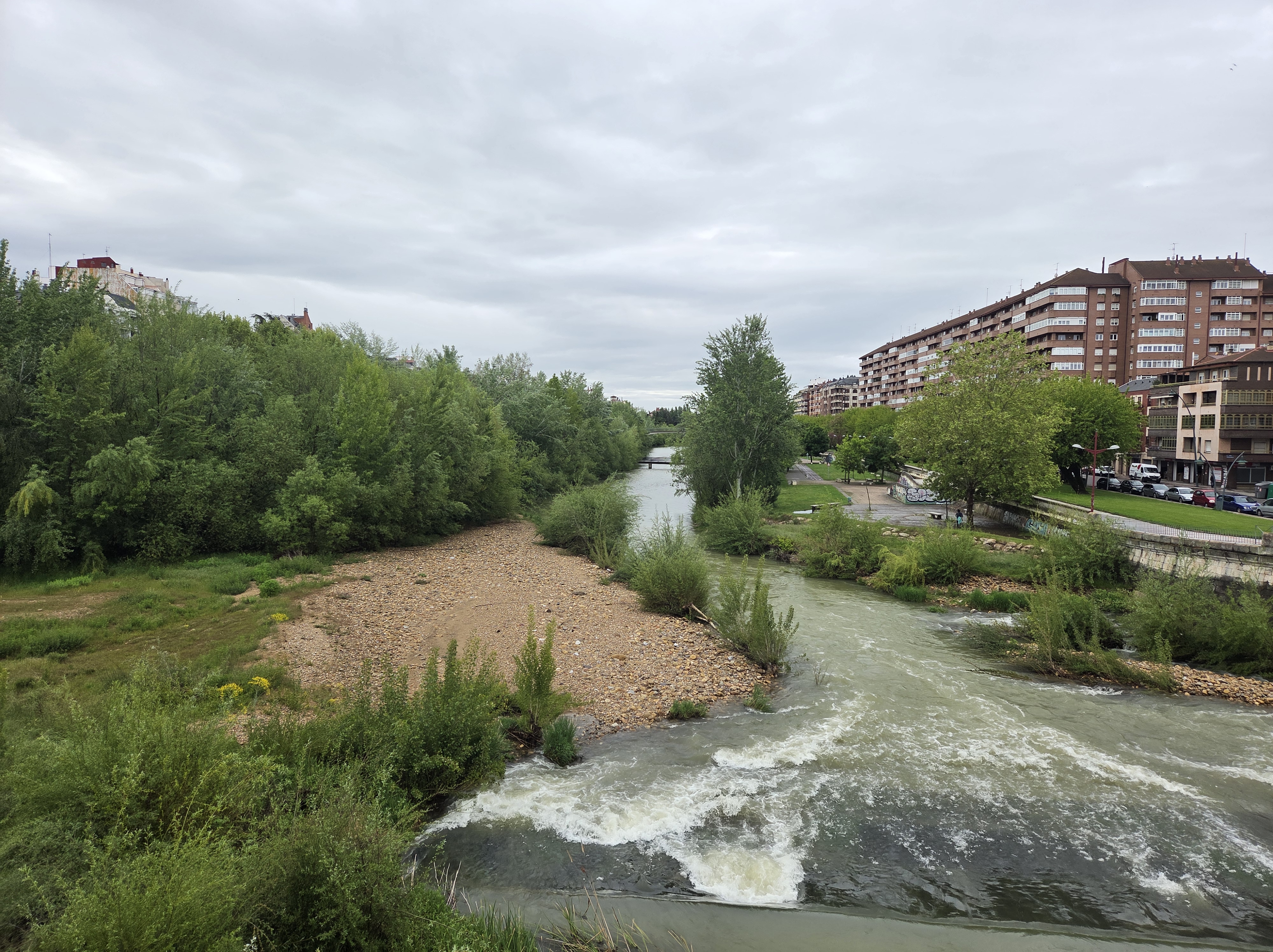
Upon entering León, I crossed the Río Torío. Upon exiting, I crossed the Bernesga River.
This was my least favorite day so far.
The path was sandwiched between two major roads with frequent traffic. It ran along the N-120 and had only overgrown fields separating it from the AP-71. (Upside, people in passing cars don’t yell or throw things at you.)
There was a constant threat of rain, but fortunately it held off until the last mile or so.
Thankfully, this 15.5 miles stretch isn’t very representative of the Camino. There is a slightly longer more scenic option available tomorrow. As long as it isn’t raining, I’m sure I’ll take it.





































 Texas
Texas 