Madly Madrid

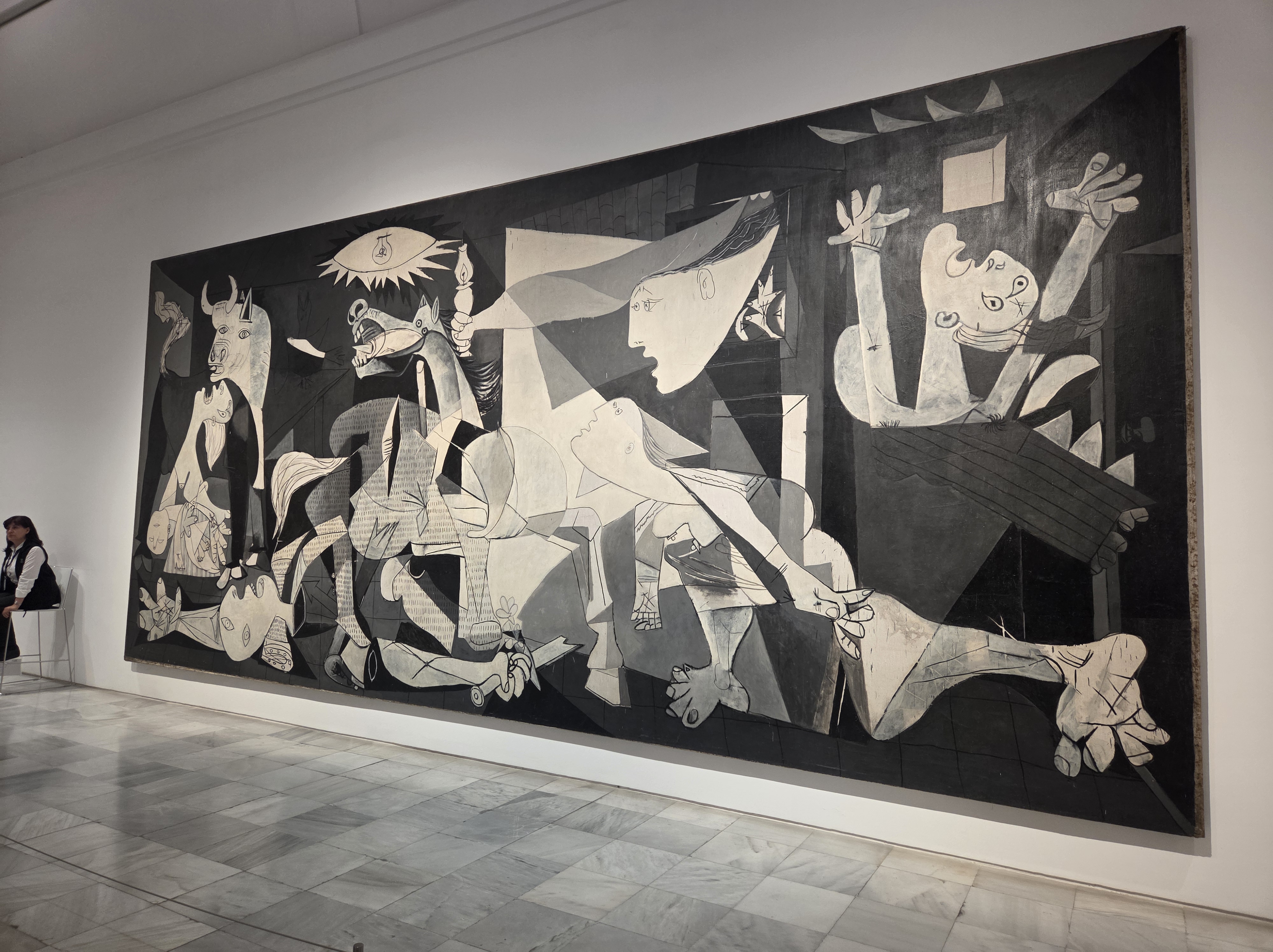
Guernica, larger than life and just so Pablo Picasso.

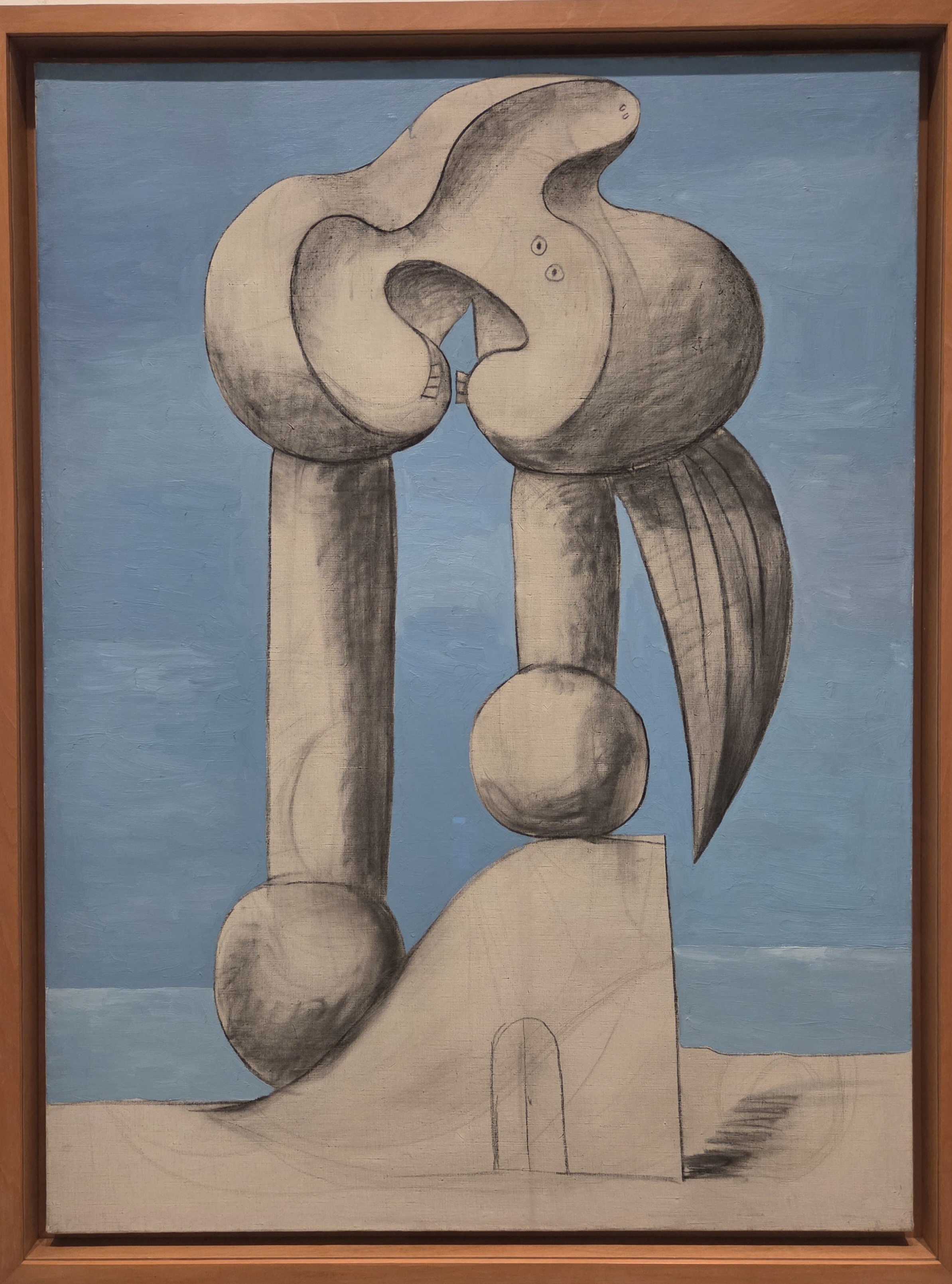
I don’t plan to post every work of art I saw by Picasso, just a few favorites like Weeping Woman and Figure by the Sea.

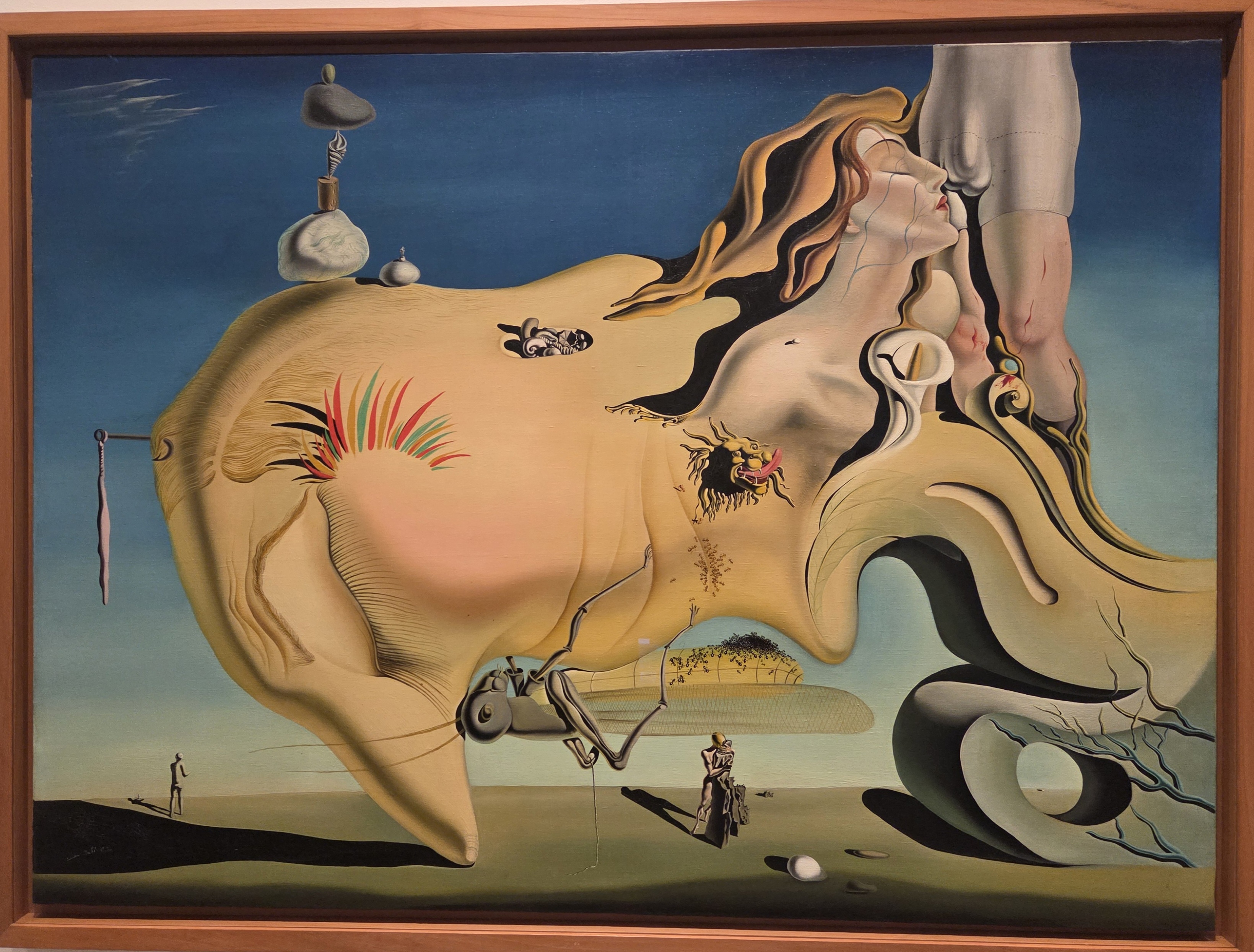
The same for Salvador Dalí, just Figure at the Window and Face of the Great Masturbator.

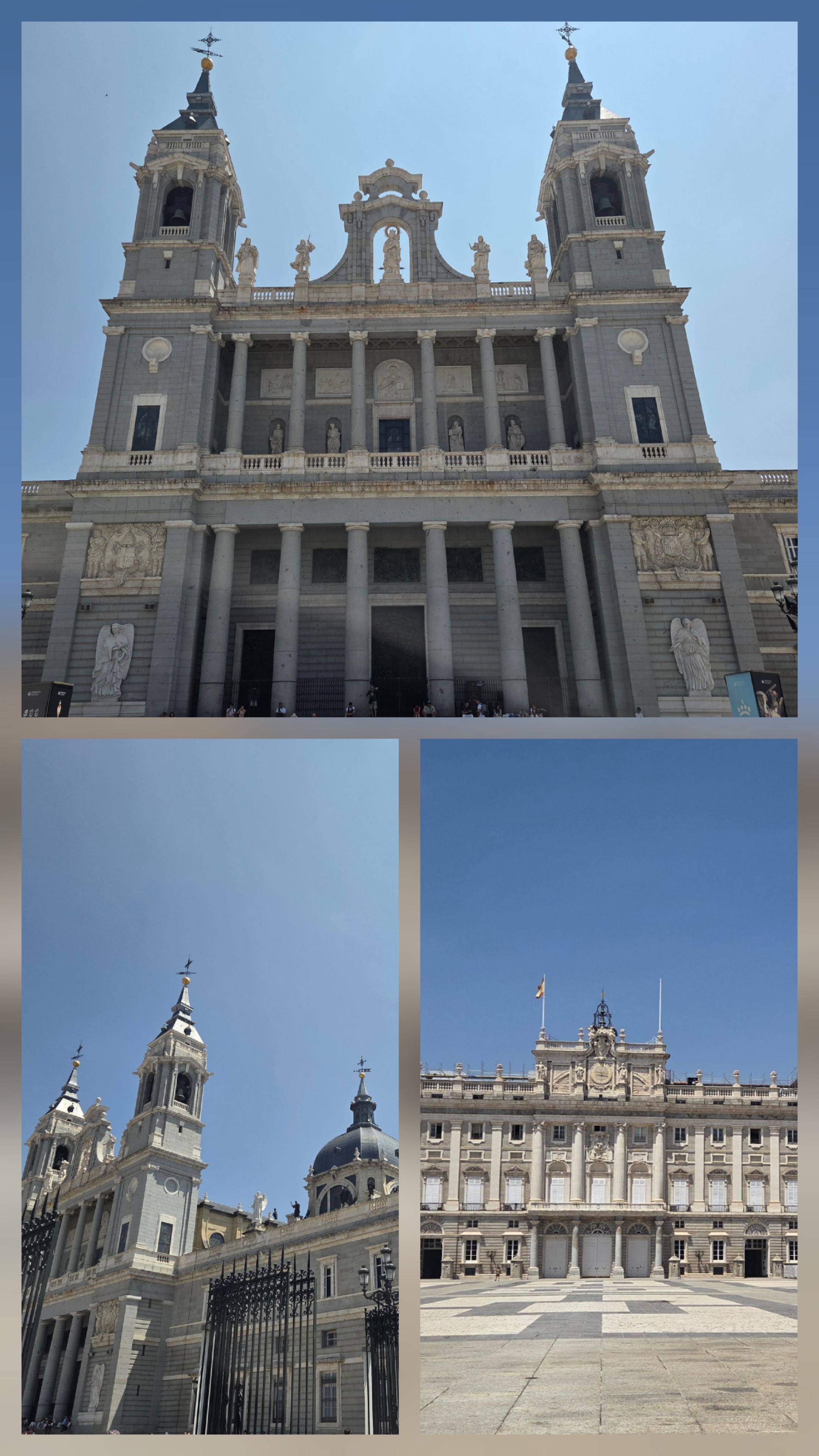
It was Texas hot in Madrid so I resolved to head for cooler temps cutting my time in Madrid to nothing. I decided to wander about to view the majors but only enter one. The Reina Sofía was the obvious choice for me. Had I been indecisive, one glance at Brushstroke by American pop artist, Roy Lichtenstein, and I would have chosen the same. (The Royal Palace wasn’t even a contender.)

Between the Thyssen-Bornemisza Museum and Museo del Prado, I likely would have gone with the former but plans for tapas in La Latina with pals took priority.
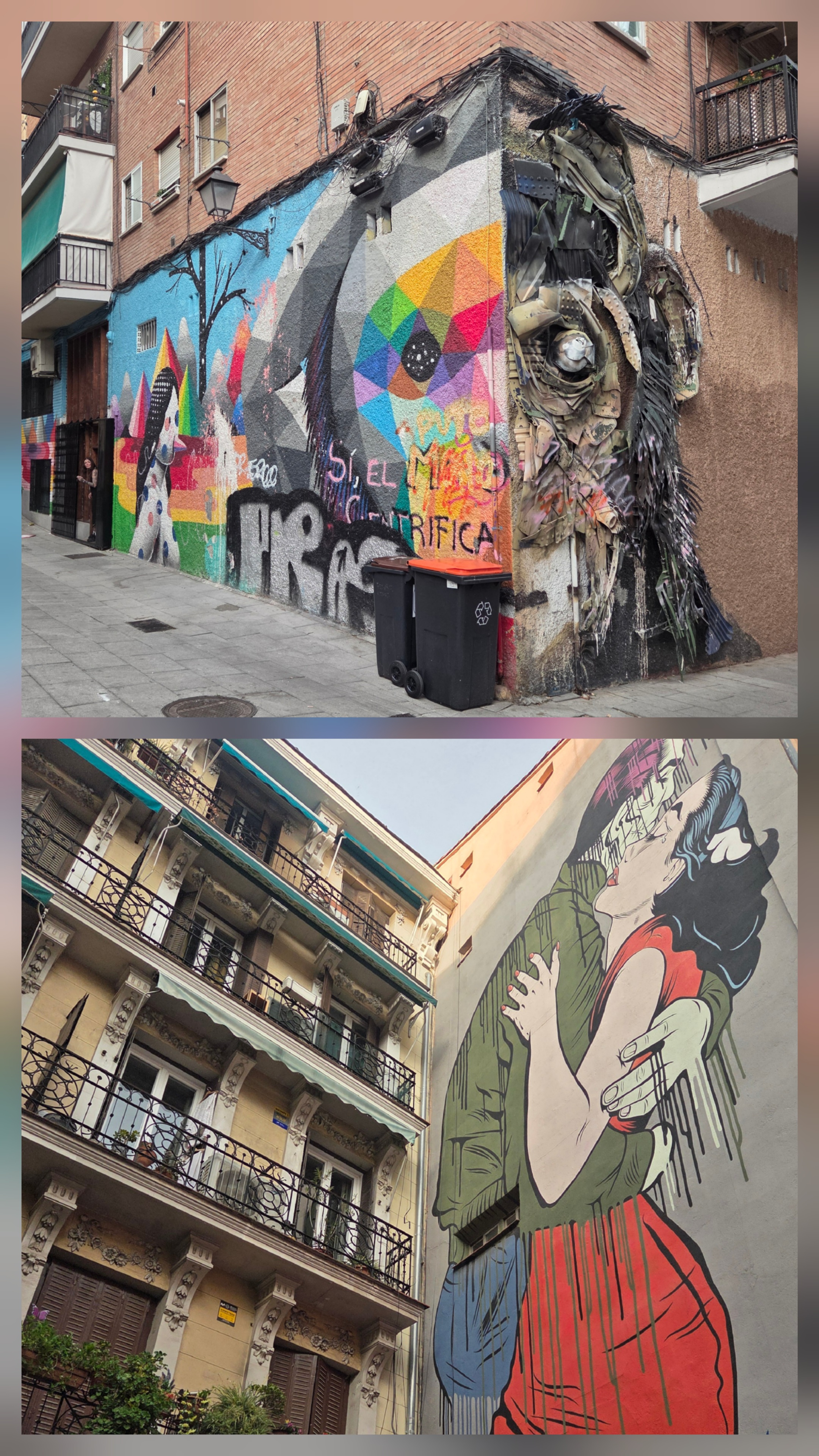
I admired some murals along the way. The play on Matisse’s Dance with cats and fruit by Ever Siempre made me laugh. The stamp also got a giggle as it reminded me of my misadventures with Correos.

As they say, all good things must come to an end. I’ve had an amazing time in Spain and wanted to explore more but the first day of summer brought 100 degree weather so I’m out of here.

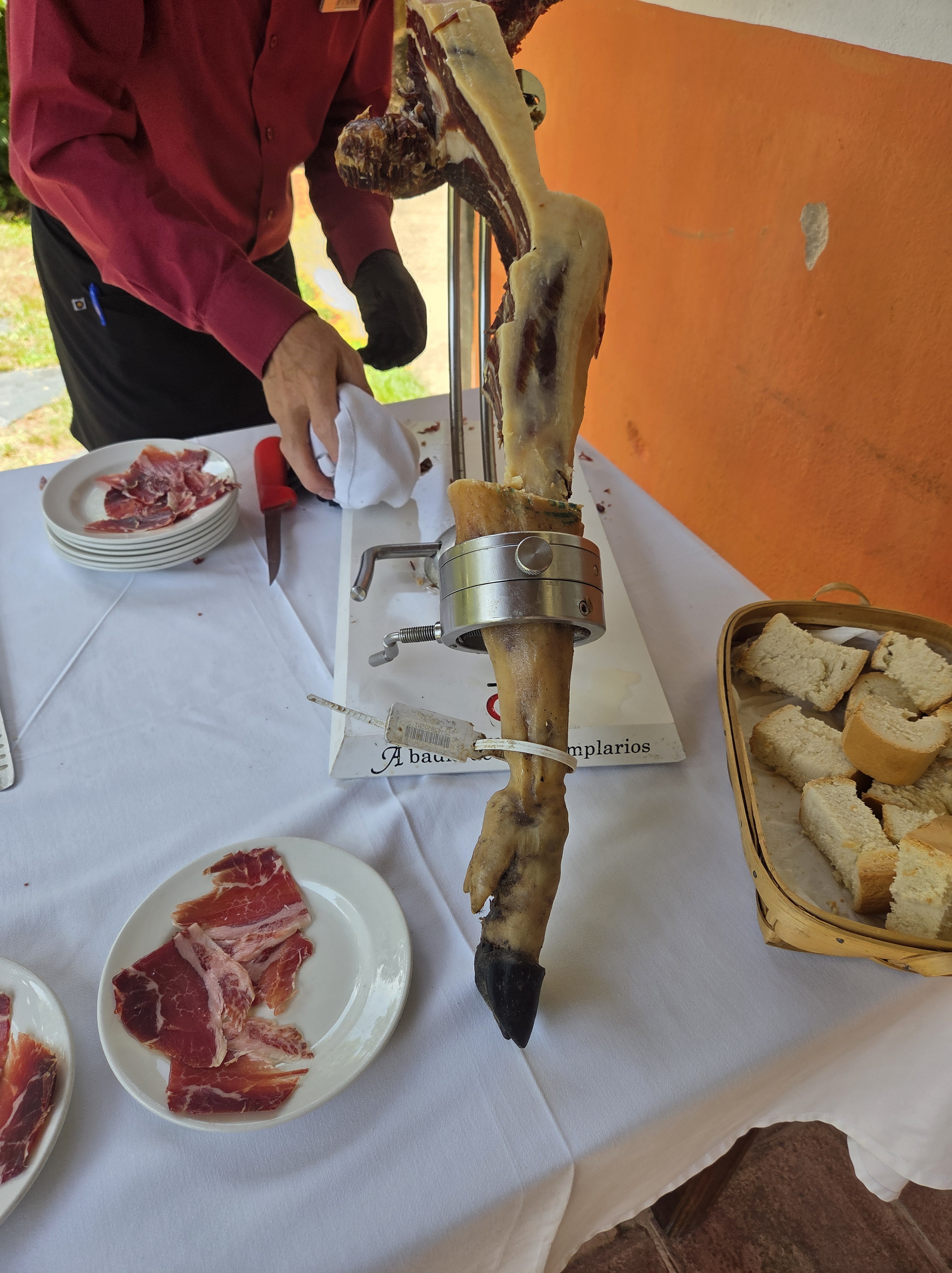
Leaving Pueblo Inglés

It has been a beautiful eight days.

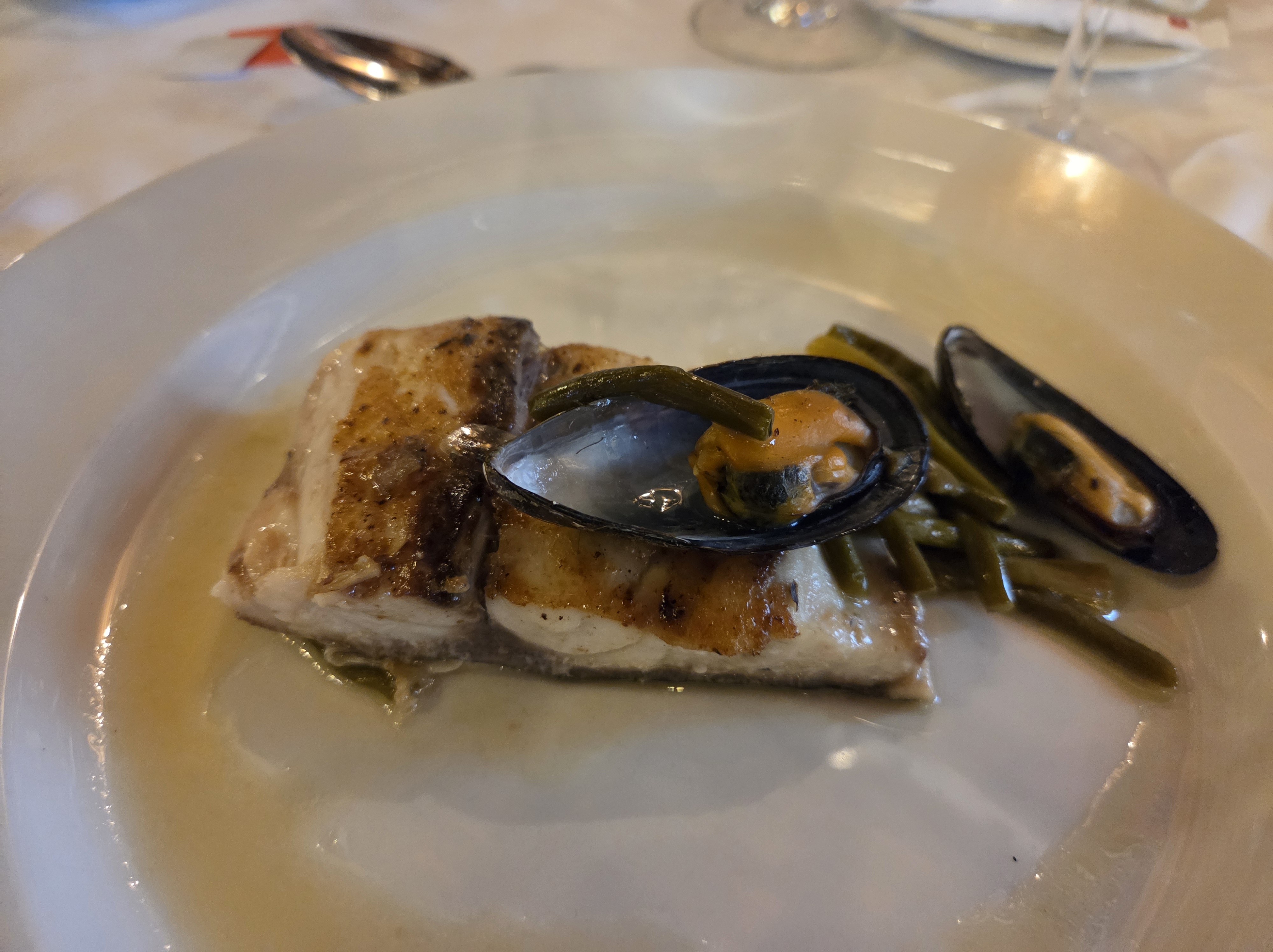
The food was far too good.

The grounds were relaxing and enjoyable to explore.

The activities were interesting such as the ritual of La Queimada using homemade Arehucas rum and a Flamenco show.

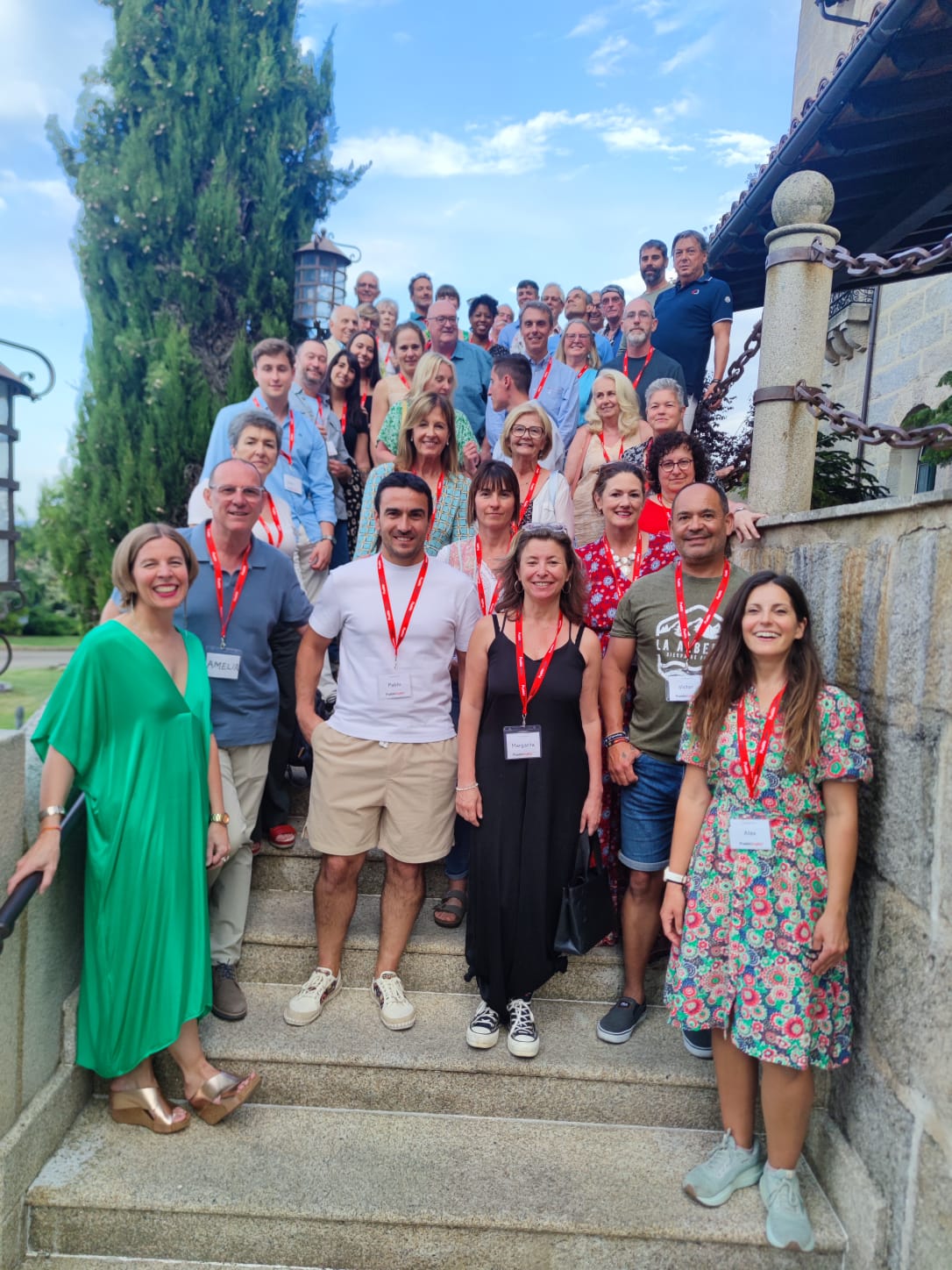
Of course, what really mattered was the people. They were a delightful and fun group who made the long days feel rewarding and worthwhile.

Becoming Acquainted with La Alberca

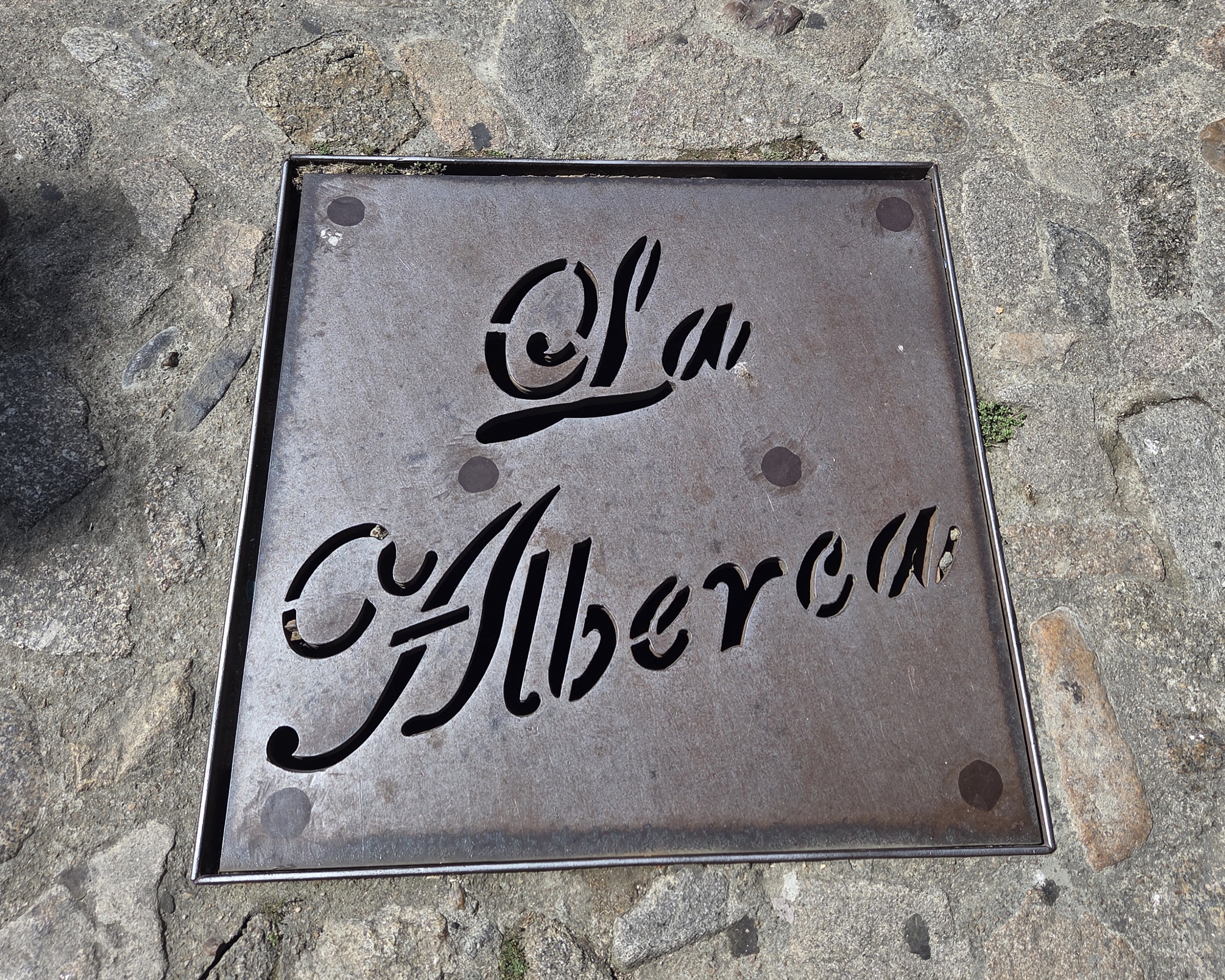
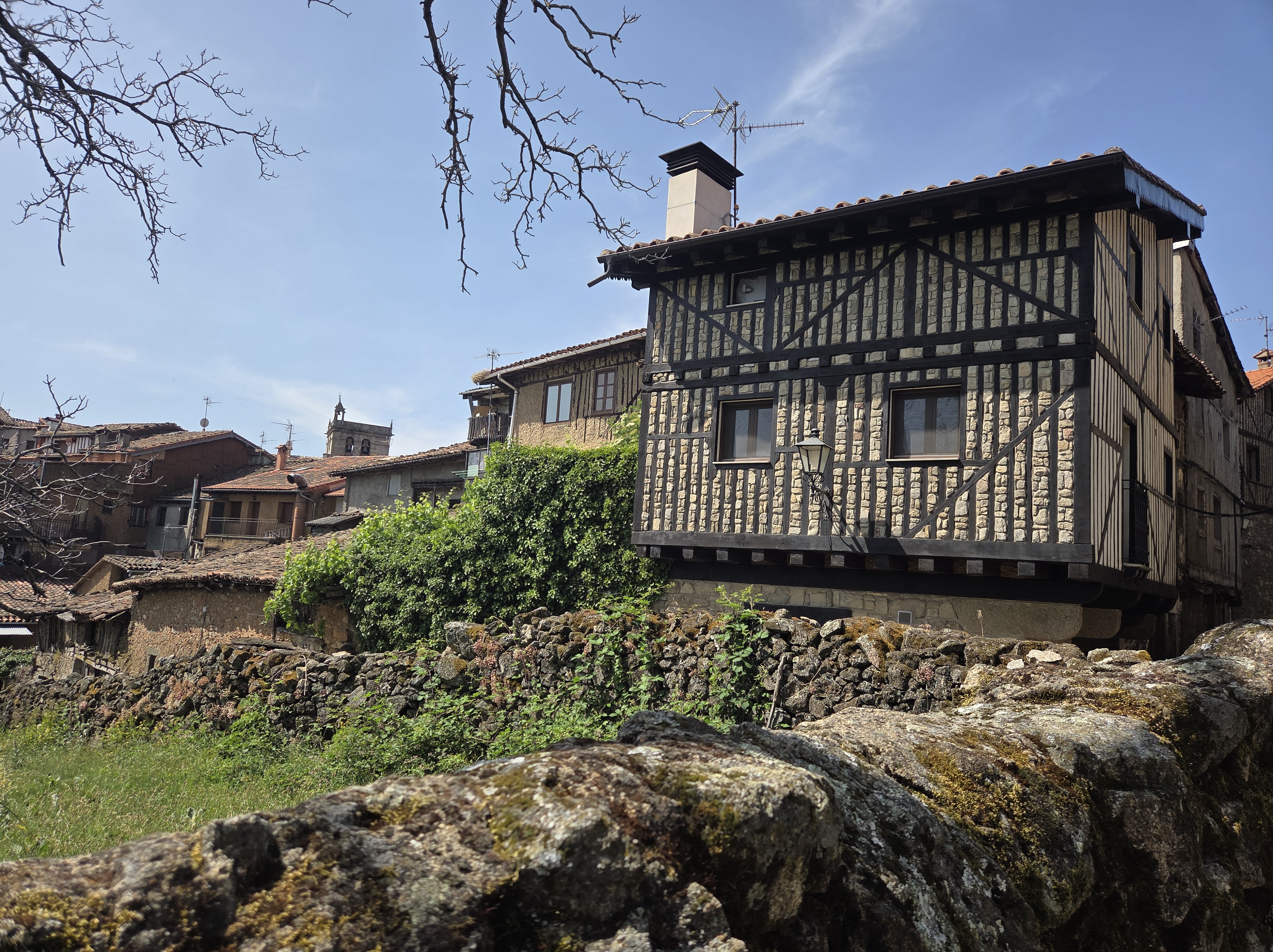
Welcome to Plaza Mayor in La Alberca. This charming little village’s appearance is unique due to a bit of French influence. It was named Spain’s first National Historic Monument in 1940.

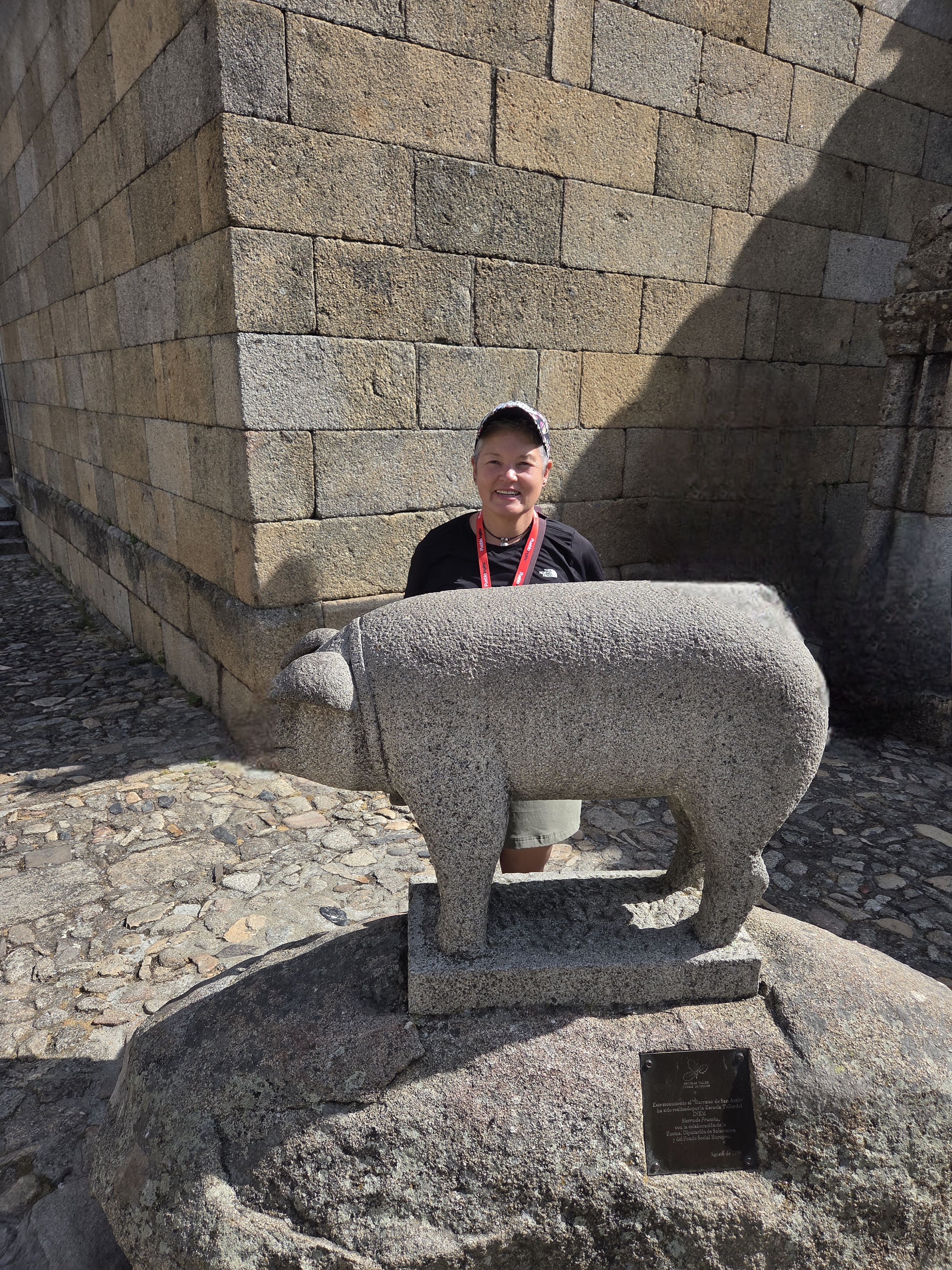
It also has a quirky custom of blessing and releasing a pig, Antón, into the village every June 13th. Until January 17th, it roams freely in the streets, fed by the local residents. This tradition has been around since the 16th century. If you don’t see Antón live, there is a granite sculpture behind the church. Hopeful couples will rub the statue’s reproductive parts for good luck.

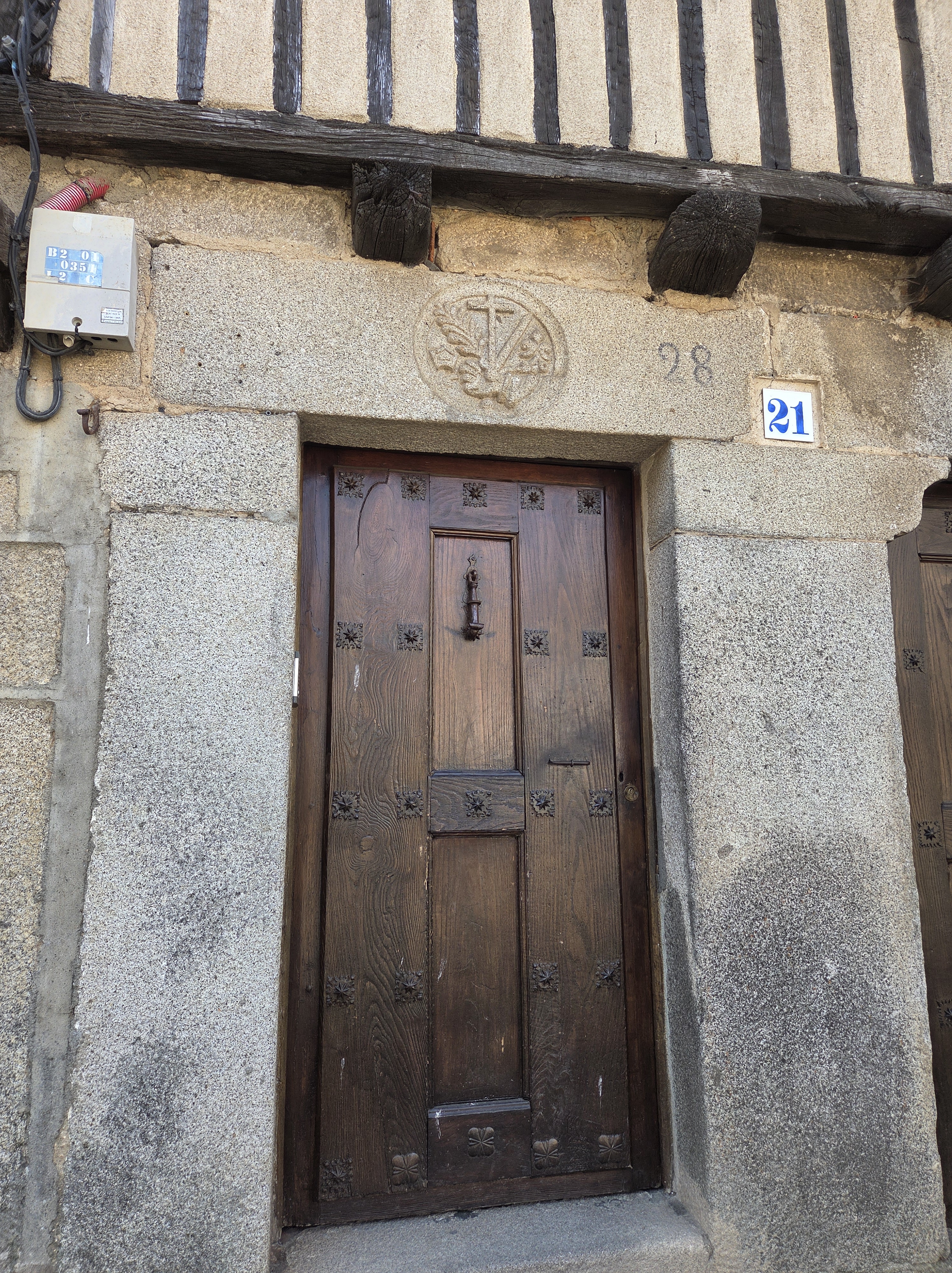
While La Alberca may look postcard perfect, it does have a dark history. The symbol above the doorway is the sign of the Spanish Inquisition. The converted Jews in La Alberca proved their Christianity by fattening a pig to protect themselves. (Perhaps a potential reason behind Antón.)

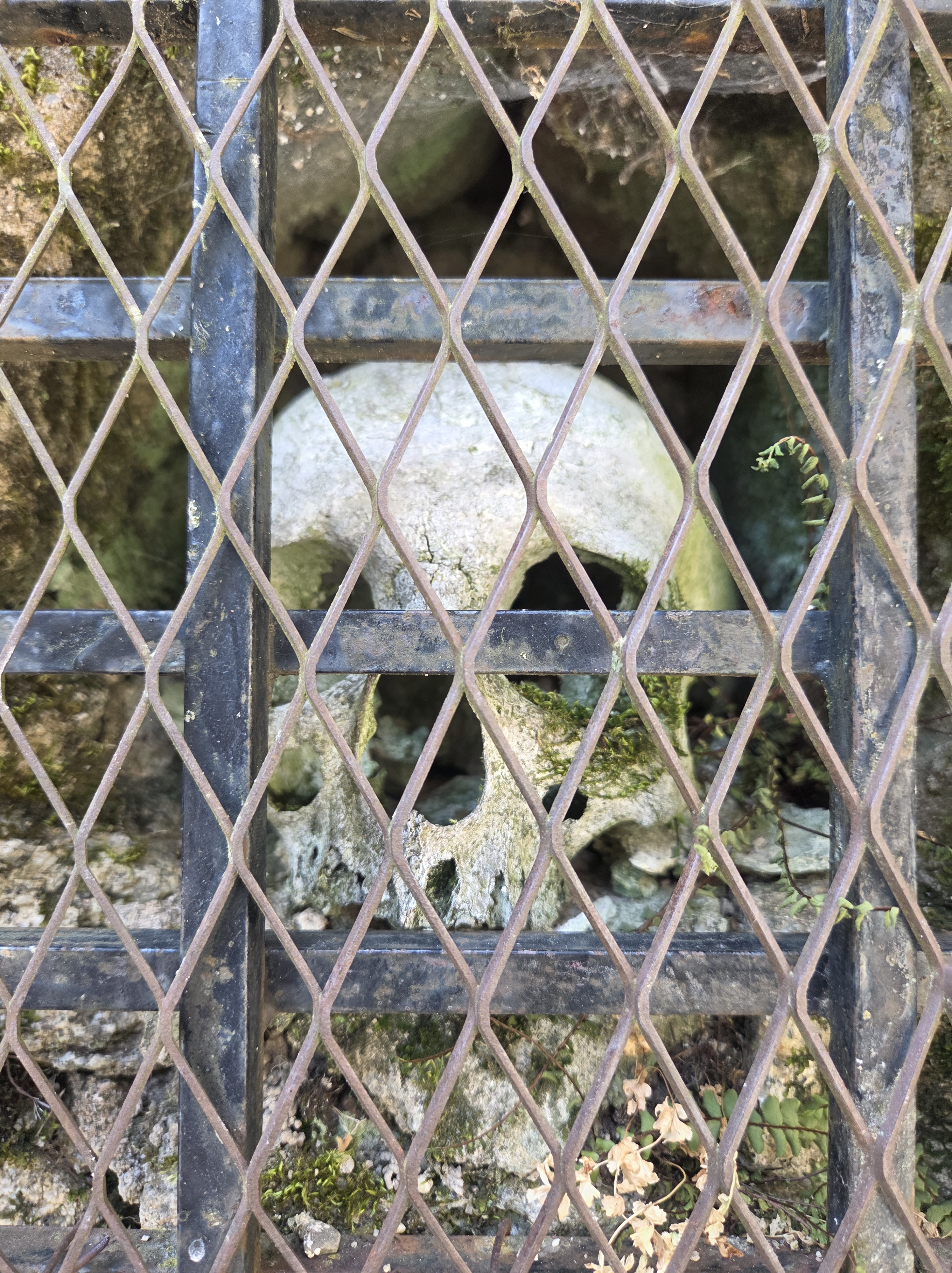
Ages ago, burial spaces in the floor of the church were granted to parishioners who contributed money. The larger the donation, the closer to the altar. The remains of peasants were placed inside the ossuary found outside the church. Local women took turns ringing a bell every evening and praying for these less fortunate souls suffering in purgatory. This practice still takes place today.

Its customs may be rooted in grim practices but La Alberca is an endearing gem nestled in the province of Salamanca.

Abadía de los Templarios

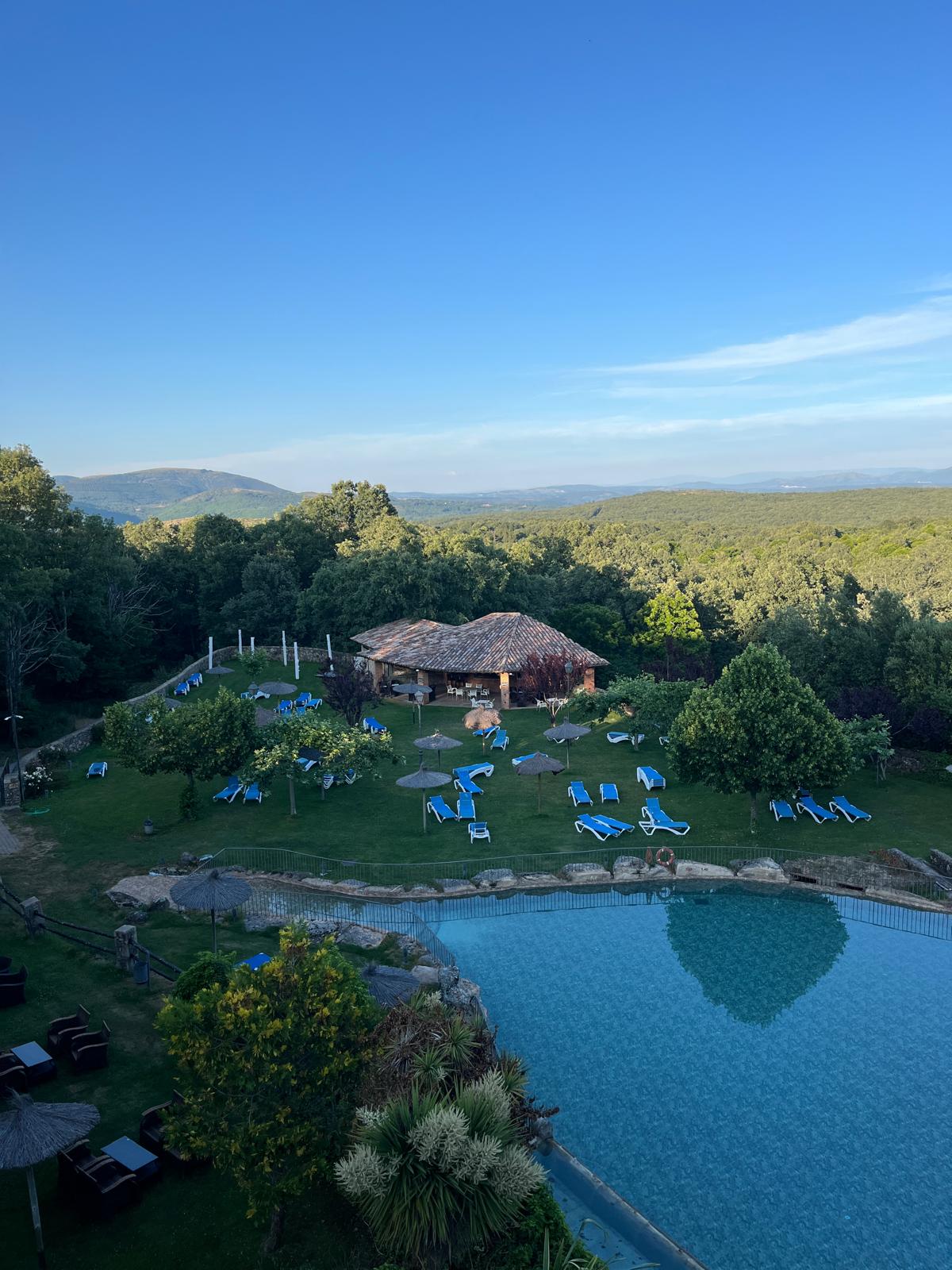
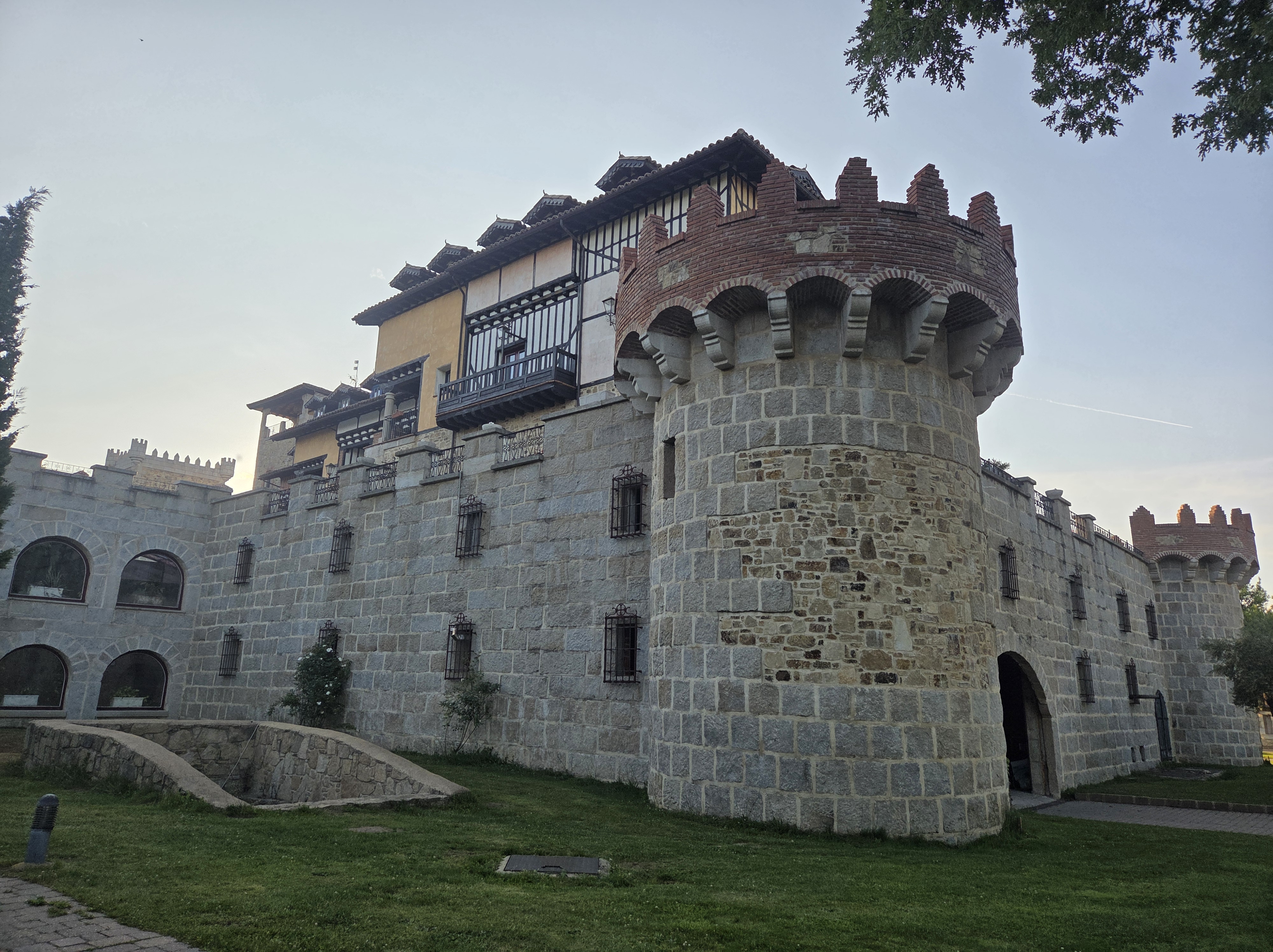
My initial view of the resort, Abadía de los Templarios, in La Alberca, where I’m volunteering with Pueblo Inglés for the week.

While the village is quite old, the hotel is clearly not.

It is a rather extensive property with trails, pools, and over 40 villas.

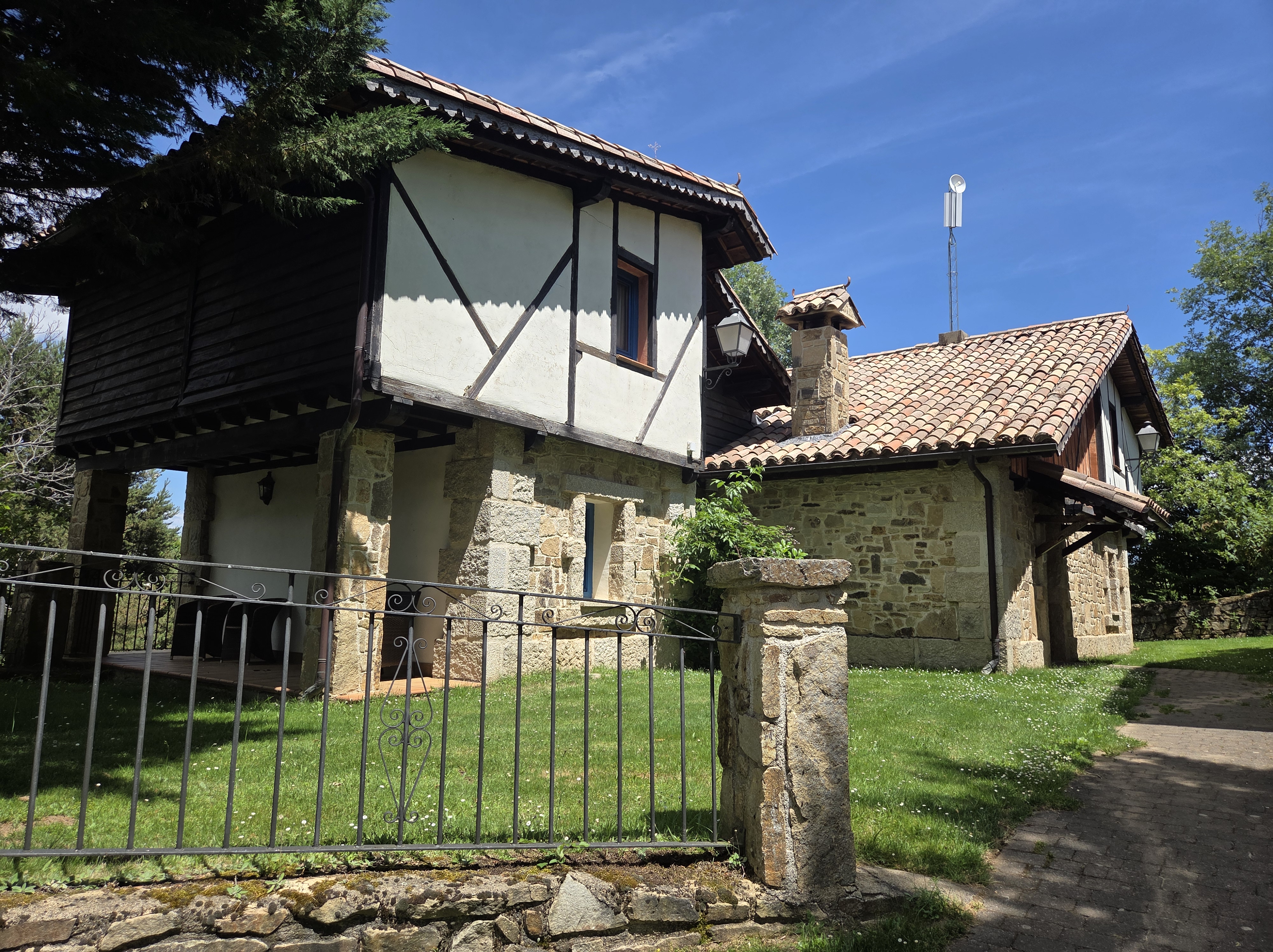
The villa I’m staying in has two floors. While the living room and kitchenette are shared, my roommate and I have separate bedrooms and bathrooms. I’m excited to be able to unpack for an entire week. If the food is as good as today, it will be a great (but potentially fattening) week.

Cessation of the Peregrination

I love that in Santiago de Compestela a hundreds of years old building can be the backdrop to a carnival.

So, I’m back doing the obligatory final pilgrim things like hugging Saint James,

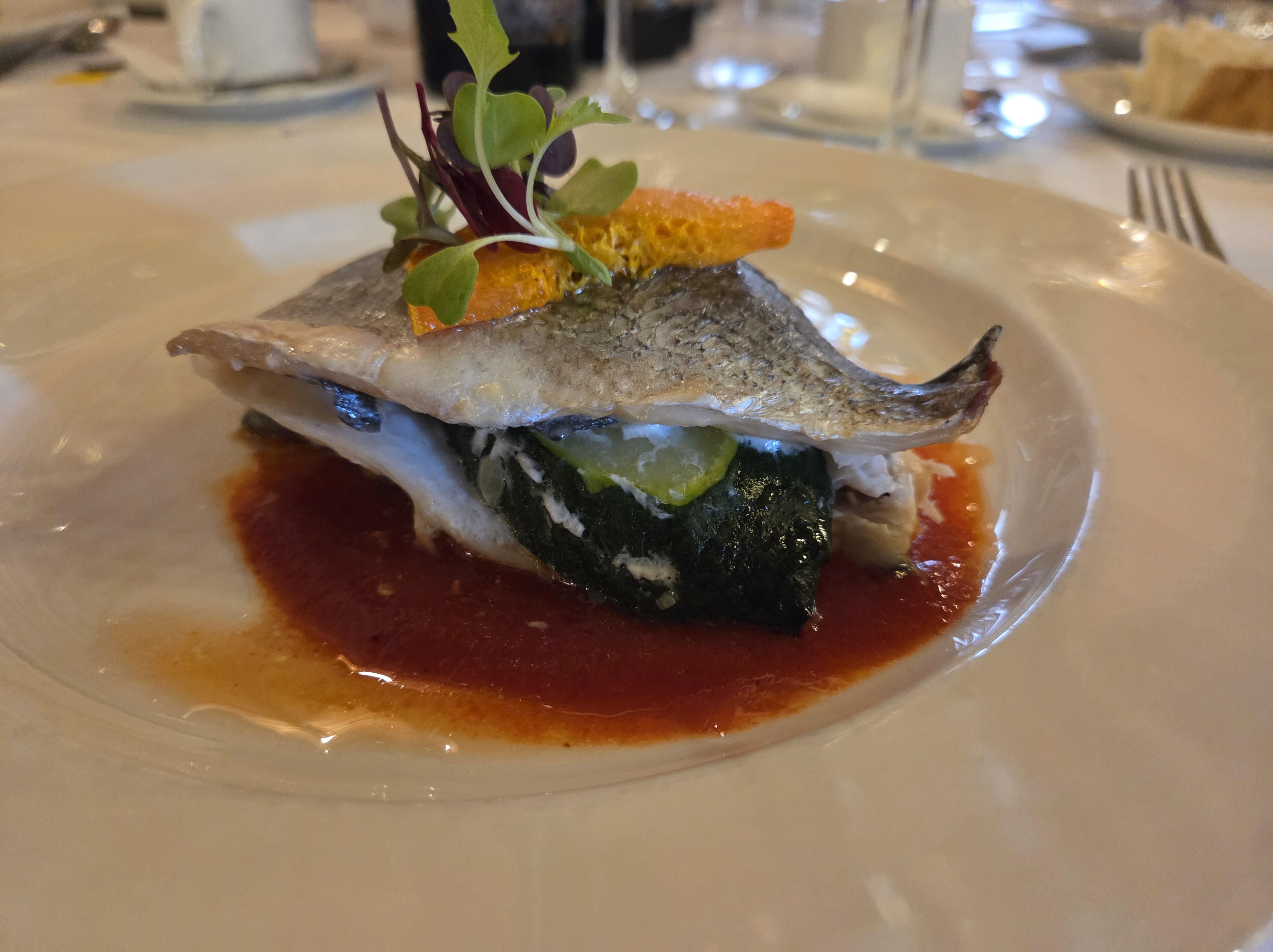
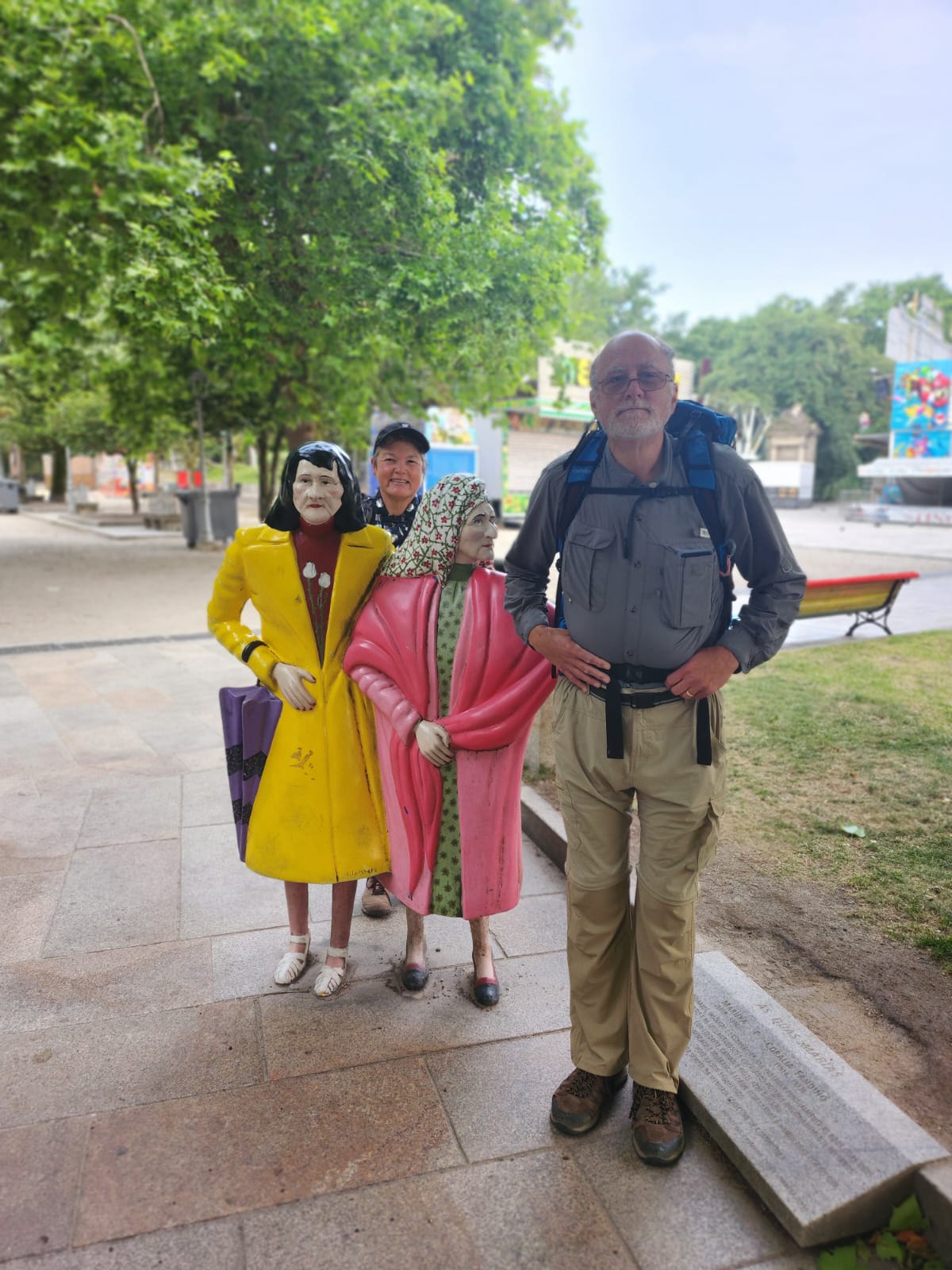
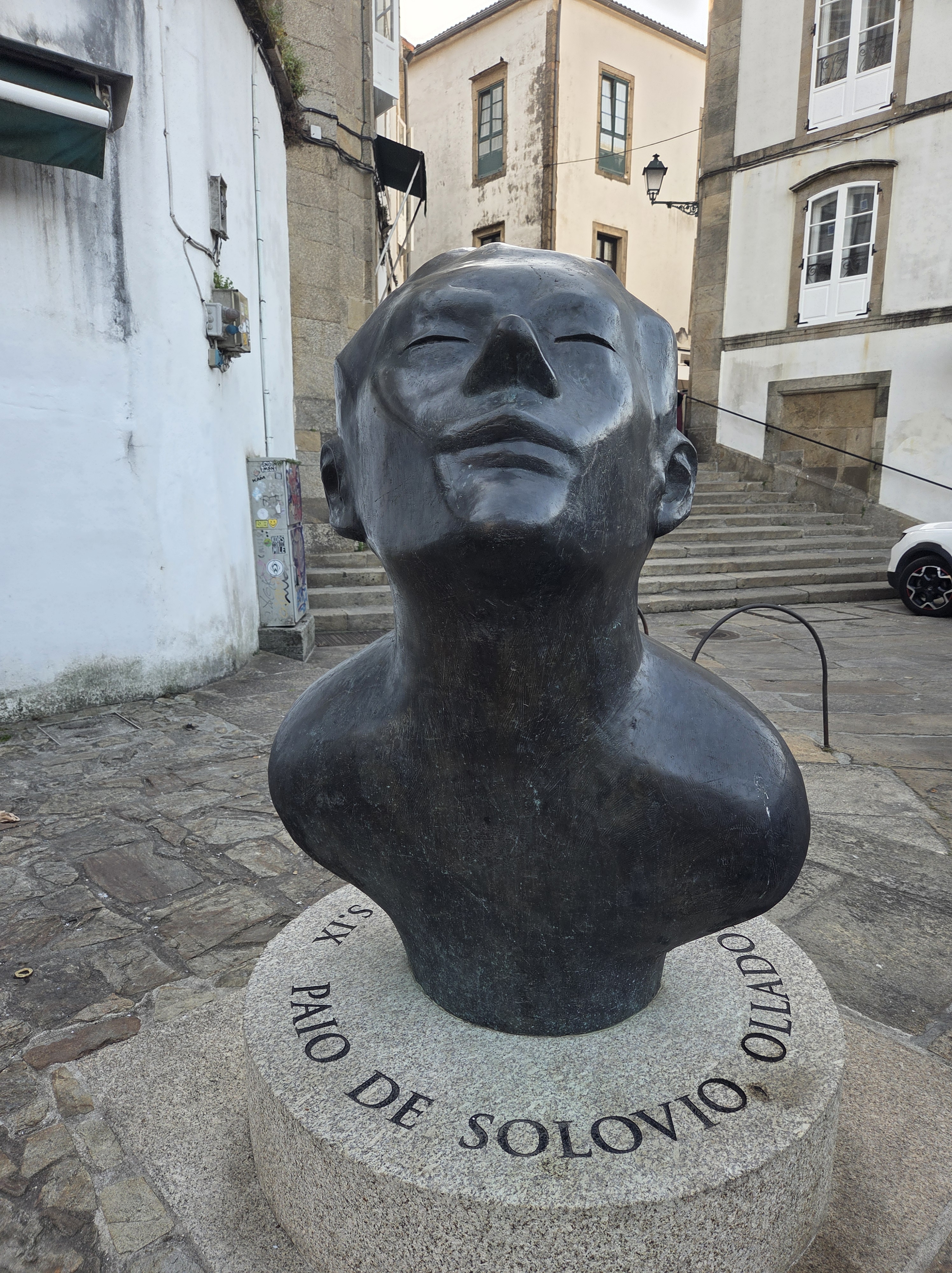
admiring the As Marias sculpture, and eating great food.

As the last member of our Camino family strolls in to town, we pay homage to him.

In reality, I’ve just been delaying the inevitable… our final Camino family dinner. Come morning, we’ll head our separate ways. I’m not sure what that means for me yet but I’ll be sure to post it when I figure it out.

A Flop of an Idea at Muxía

I love that the Faro de Muxía almost looks translucent in this shot. As if it is fading into anonymity due to the popularity of the neighboring

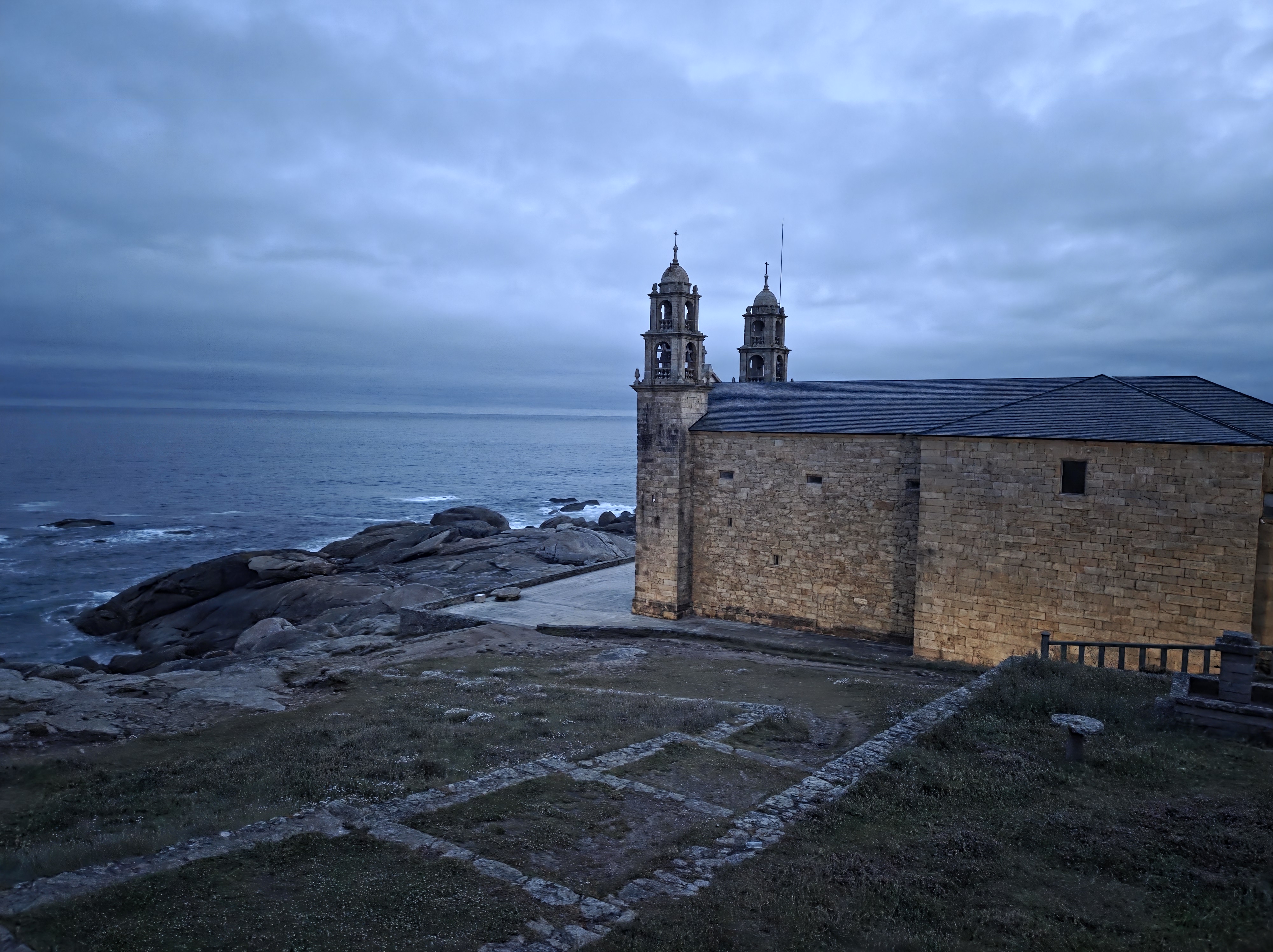
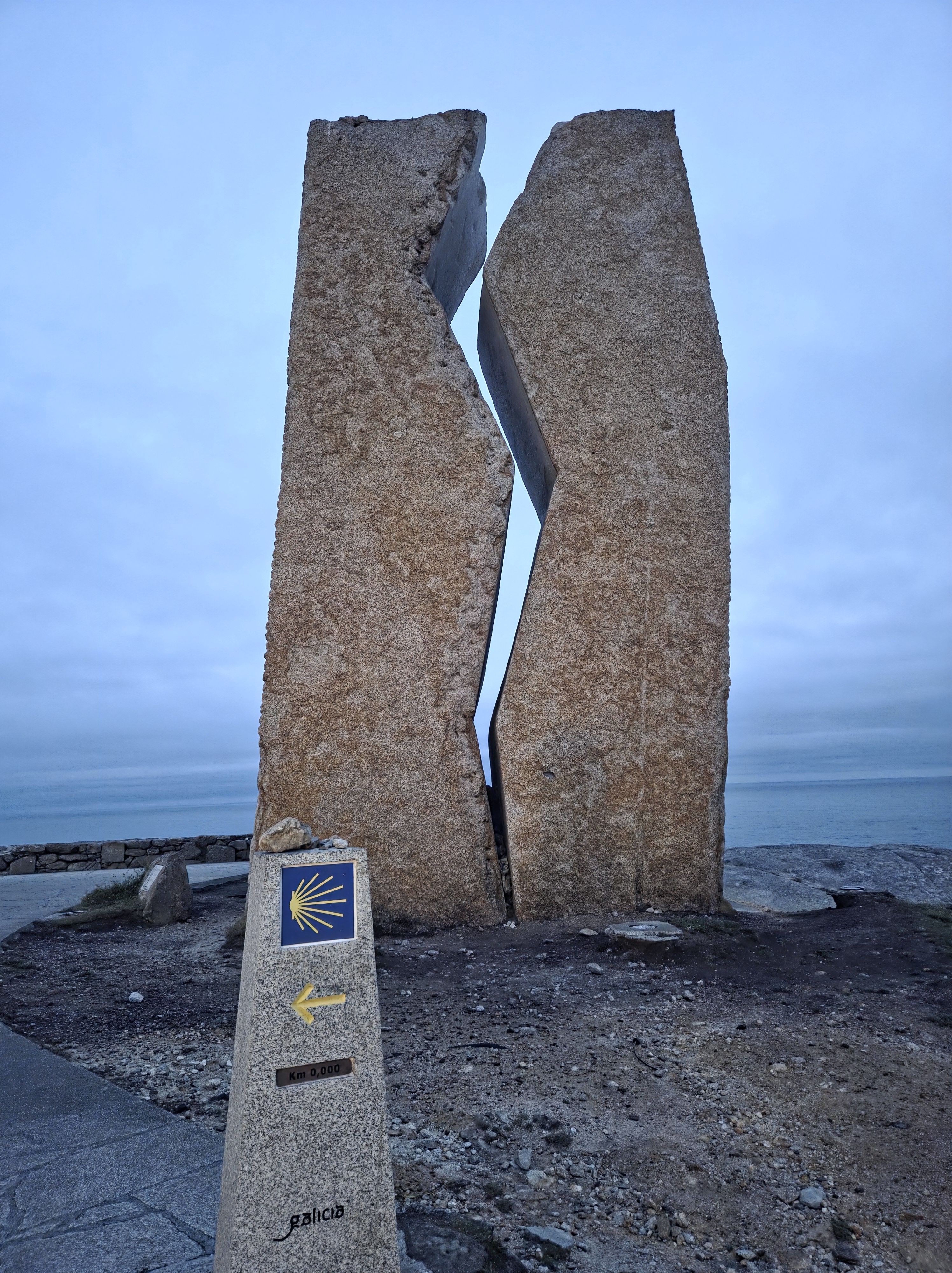
Santuario de la Virgen de Barca, the Cadrís Stone,

and the A Ferida. (“The Wound” is a tribute to all the volunteers that showed up after the Prestige oil tanker disaster.)

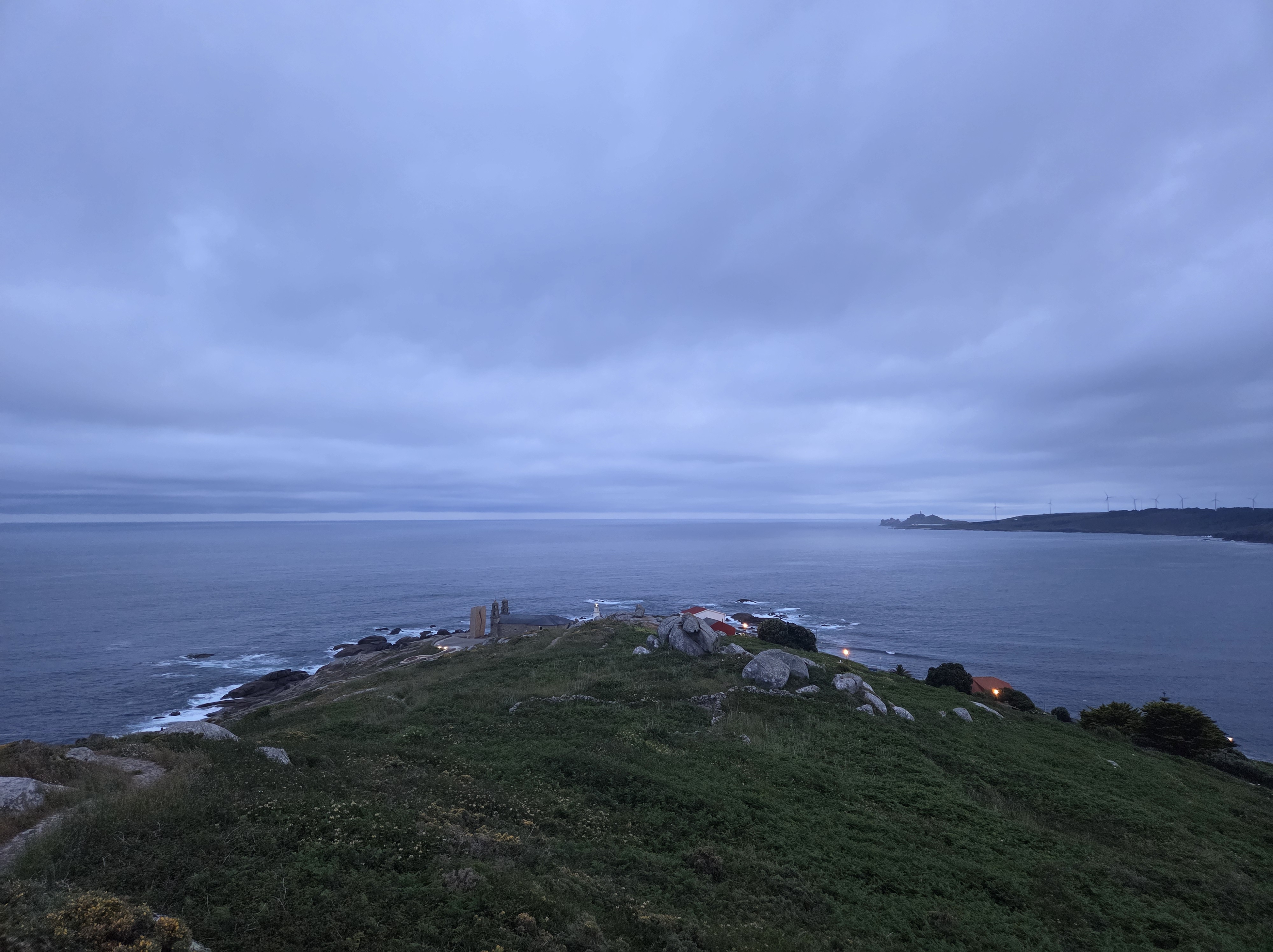
I thought a sunrise hike up to Miradoiro do Corpiño would result in awesome panoramic shots of Muxía. I was disappointed.

It does provide a great viewpoint but the sun didn’t quite cooperate.

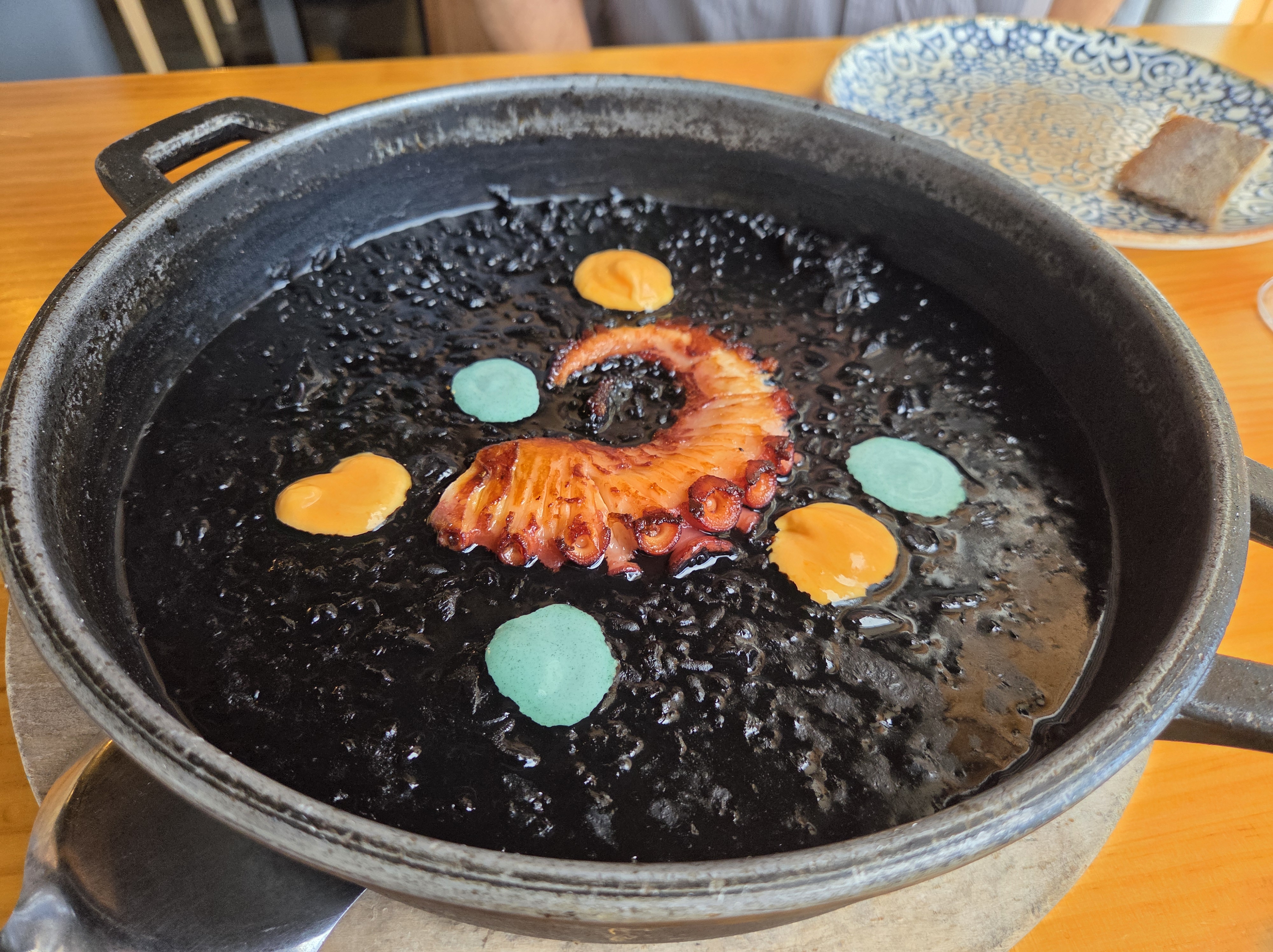
Dinner provided some color

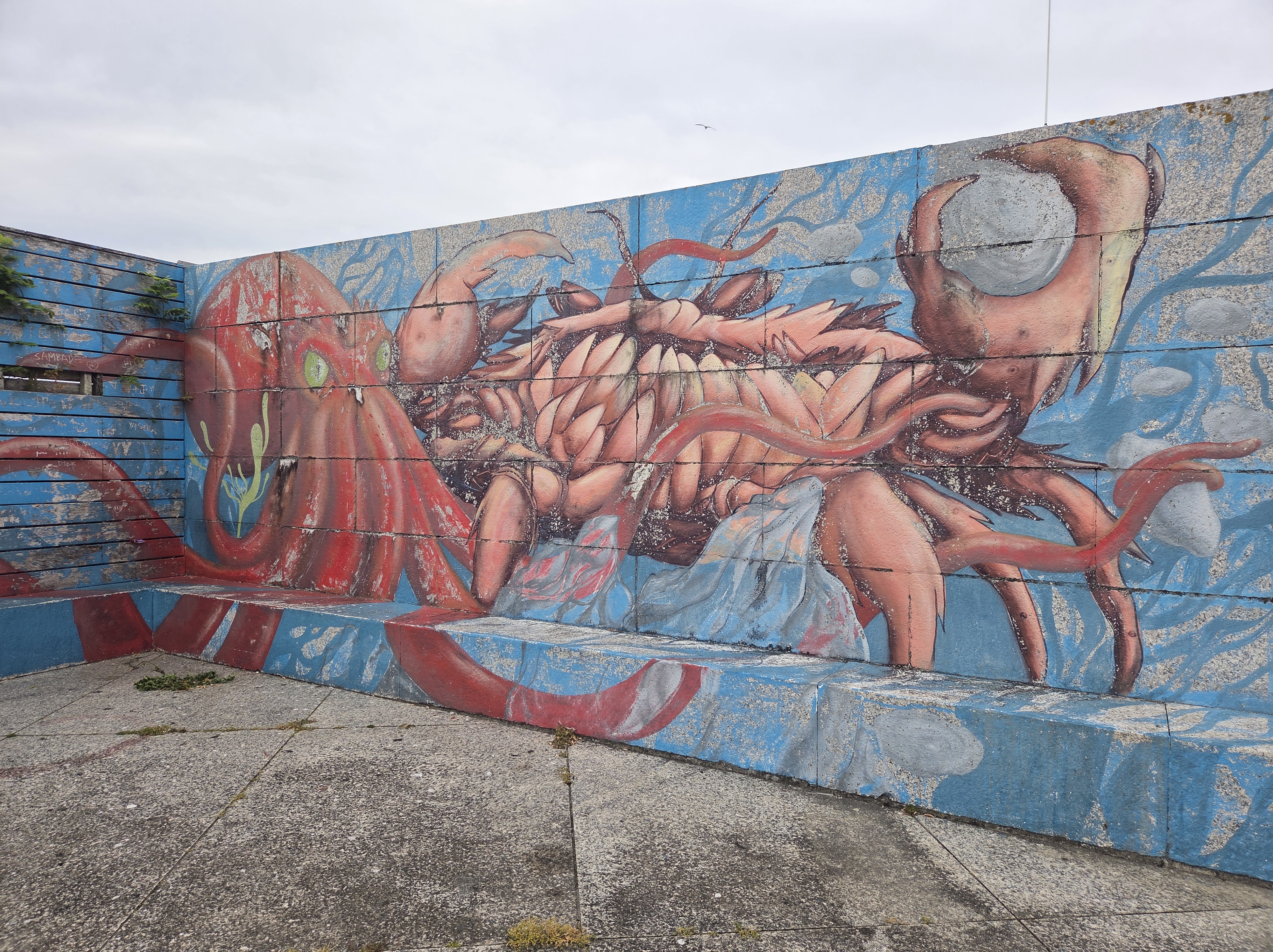
as did this mural.

I also thought I’d enjoy a swim in Muxía’s clear refreshing water but I only waded in about waist deep. Again, the sun just didn’t want to cooperate. Nonetheless, I found Muxía to be peaceful and enjoyed the sleepy seaside village.

To the End of the World

In Roman times, Finisterre was believed to be the end of the known world. It is a popular extension to the Camino de Santiago. Some walk, some ride the bus.. I did the latter.

I joined Oz and Scott for an early morning walk to the lighthouse on the rocky Coast of Death.

The fog rolled in but we still enjoyed the stunning colors of the sunrise.

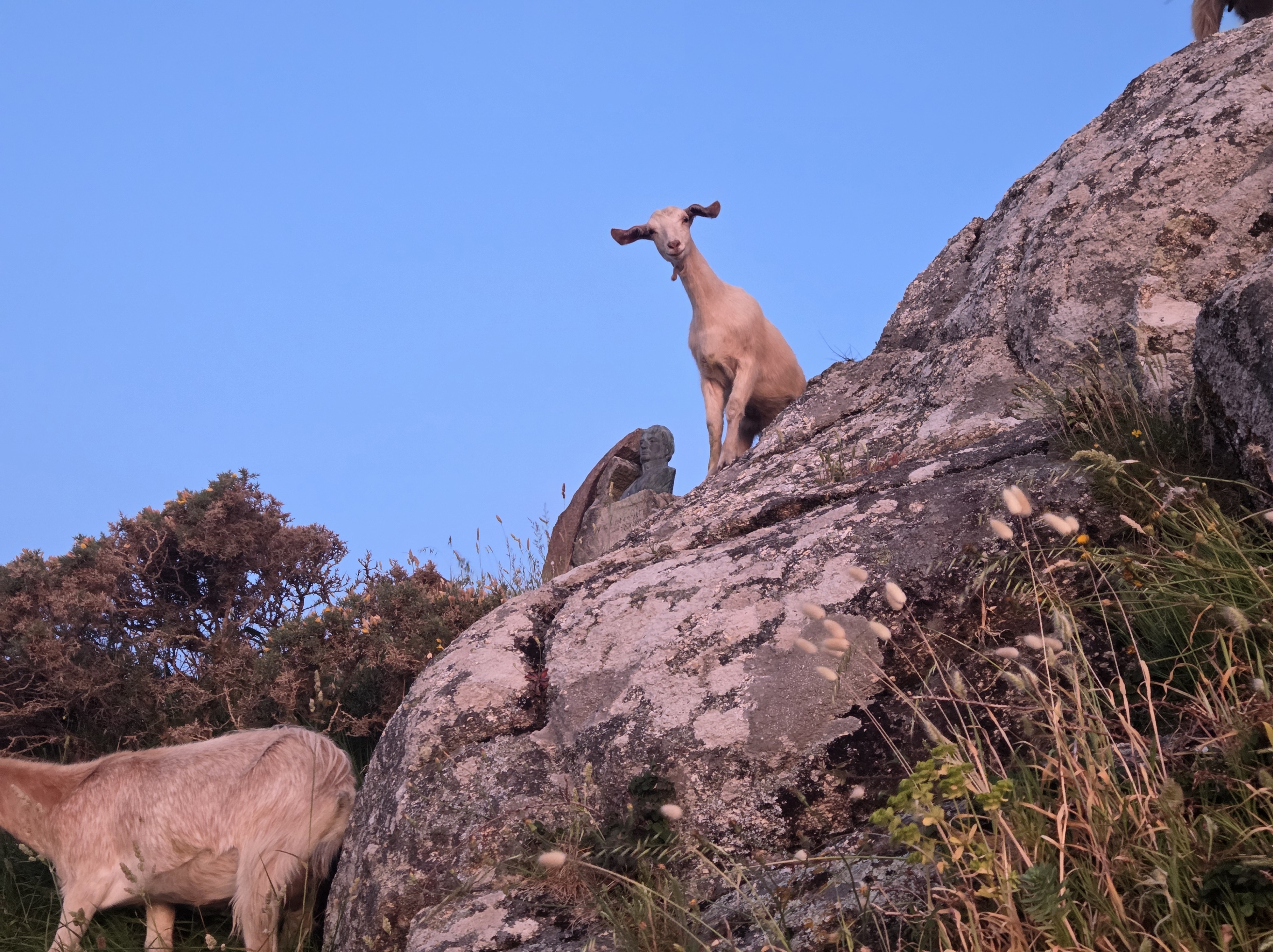
We discovered we weren’t alone.

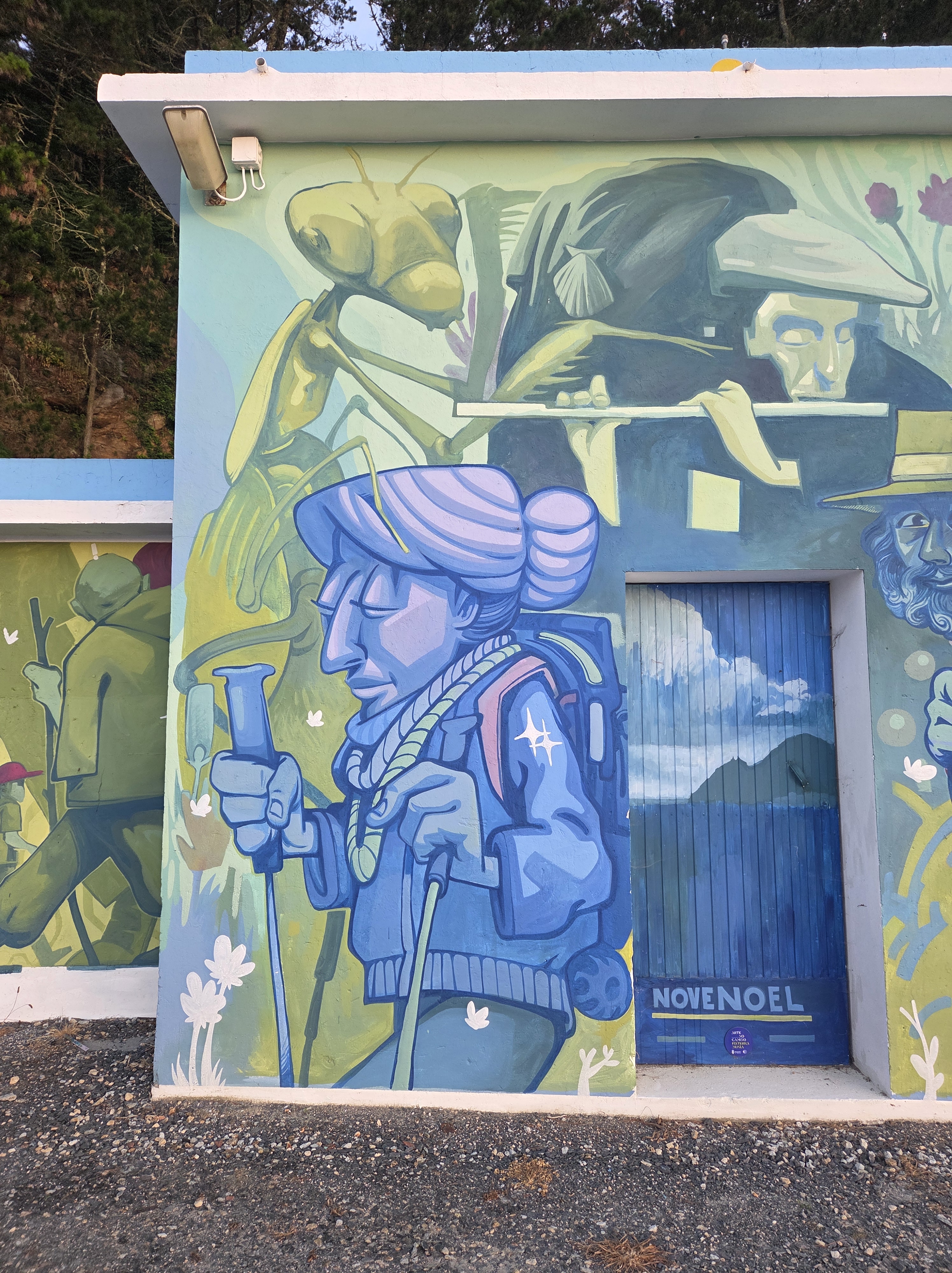
On the walk back, we noticed a cold pilgrim and art by Nove Noel.

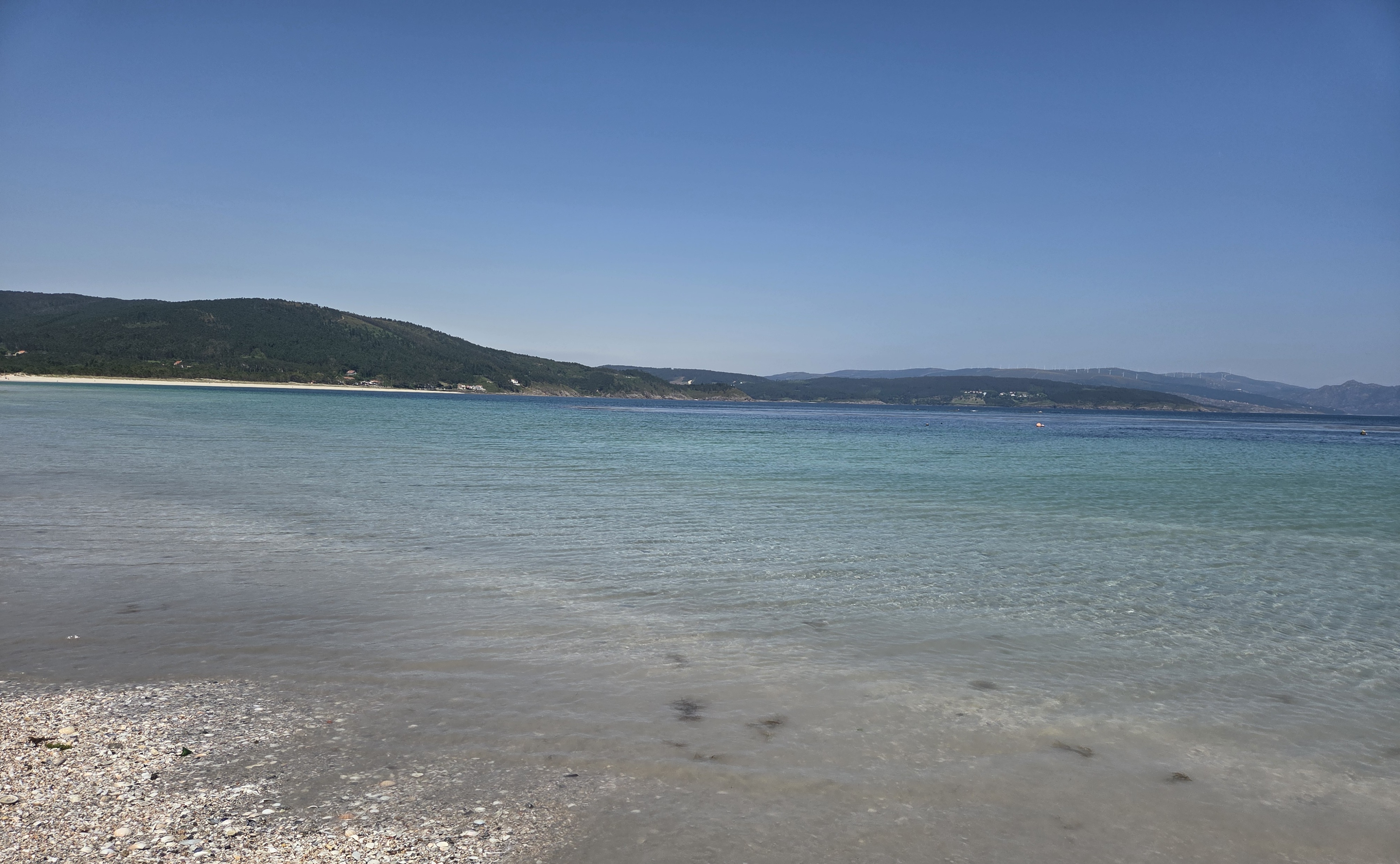
I was excited to be so near the ocean. I find it calming and relaxing.

Especially, strolling the beaches, picking up shells. The water is wonderfully clear here.
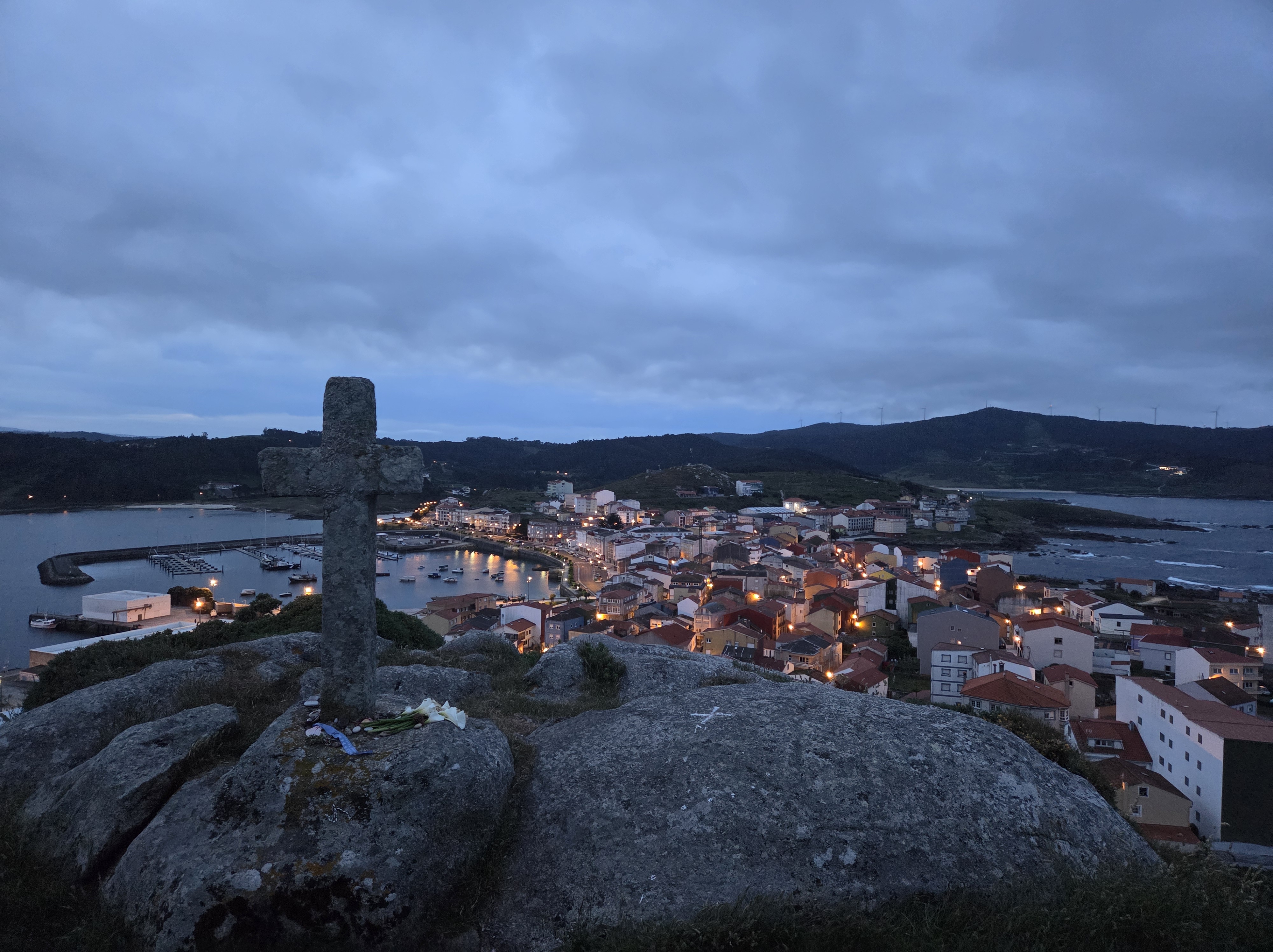
In town, there is a charming mix of old and new, good seafood, and Batidor Pasteleria.

Day 38: O Pedrouzo to Santiago de Compostela

The sunrise for the trees… the morning has a different energy as there’s only 12 miles remaining.

At San Marcos, you get a sneak peak of the cathedral. It adds a little pep to each step.

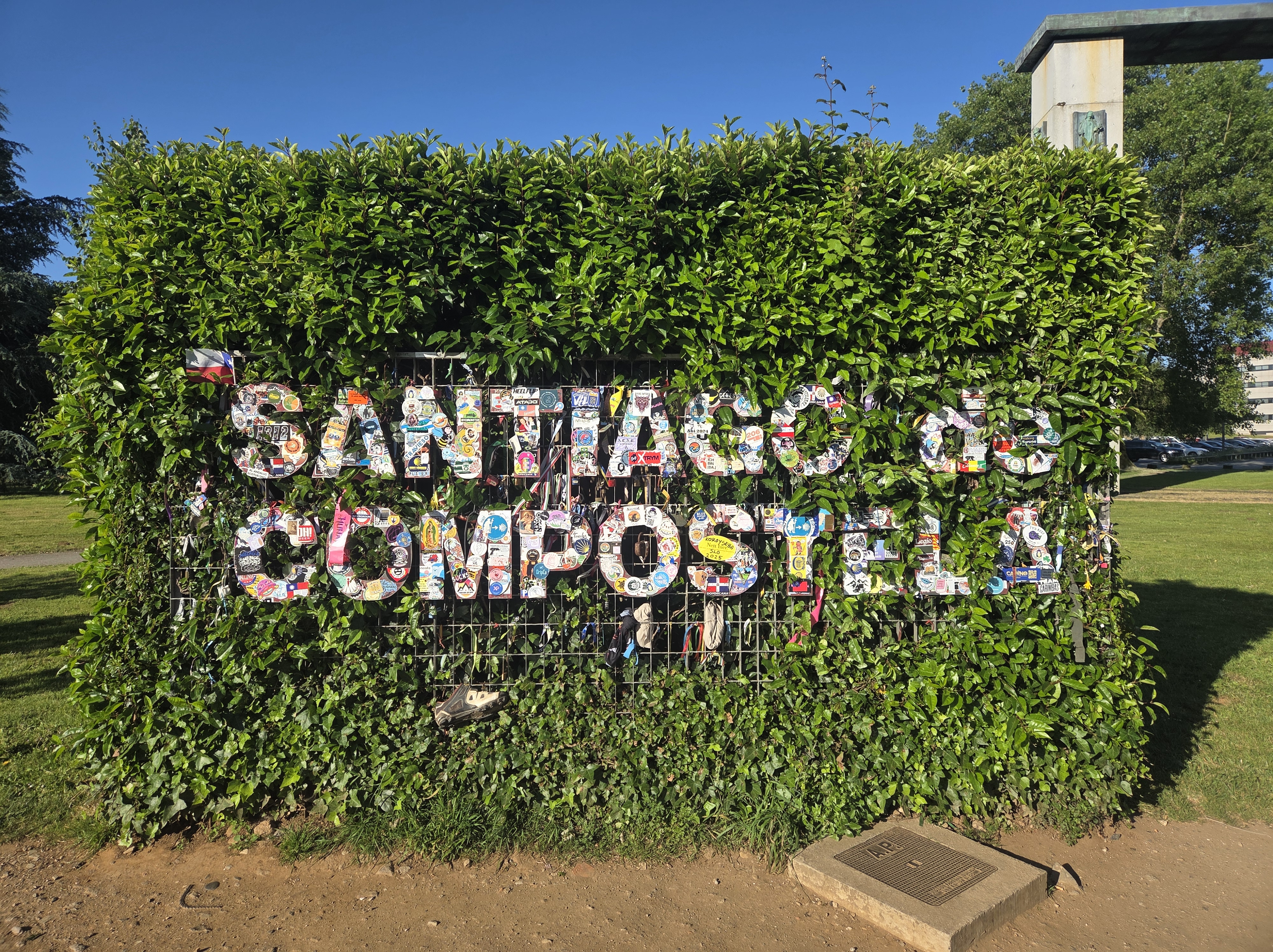
Just a few miles later, despite the sign, it doesn’t really feel like you’ve arrived.

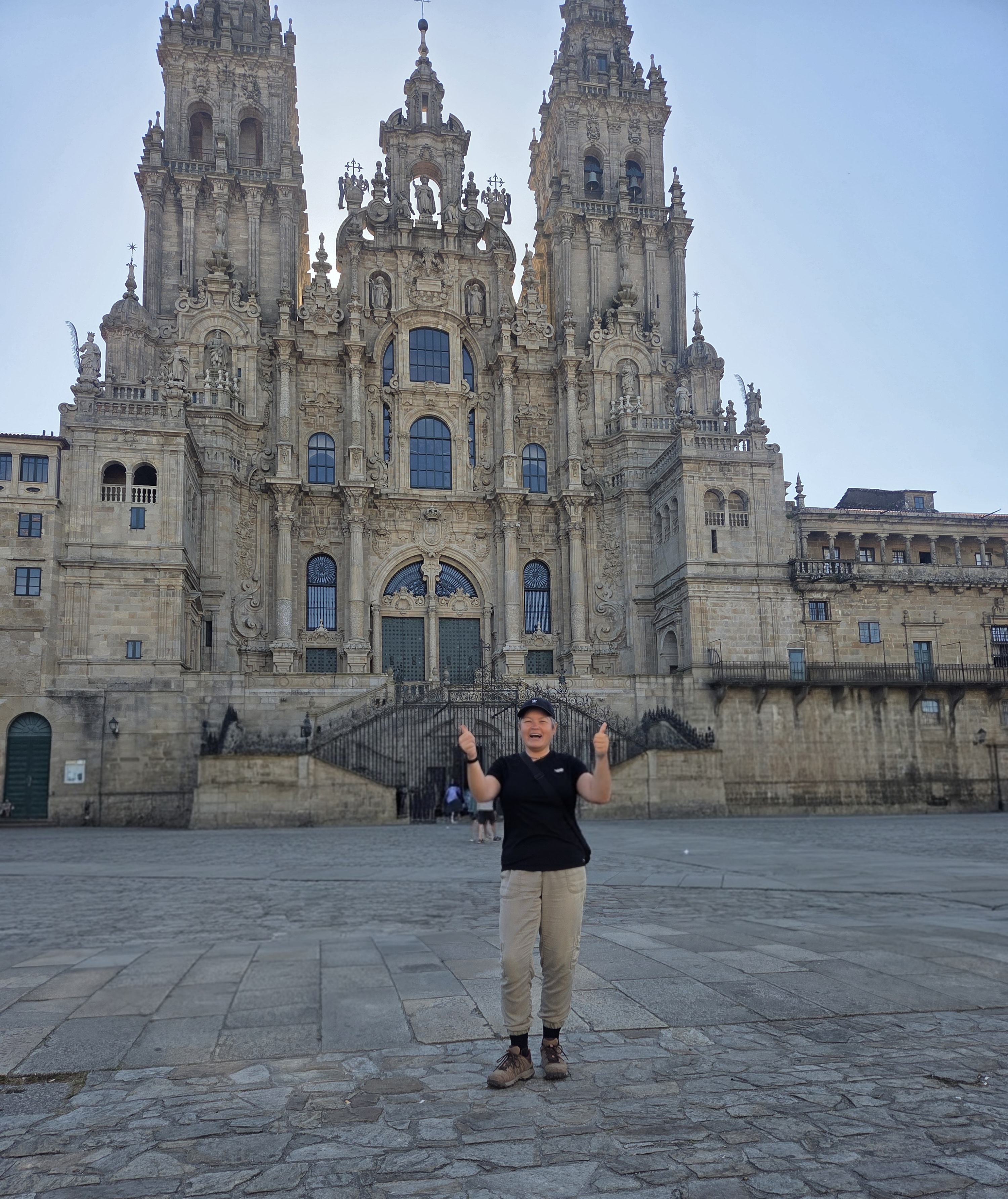
Until you do.

Or until you reunite with some of your Camino family. They are bittersweet moments.

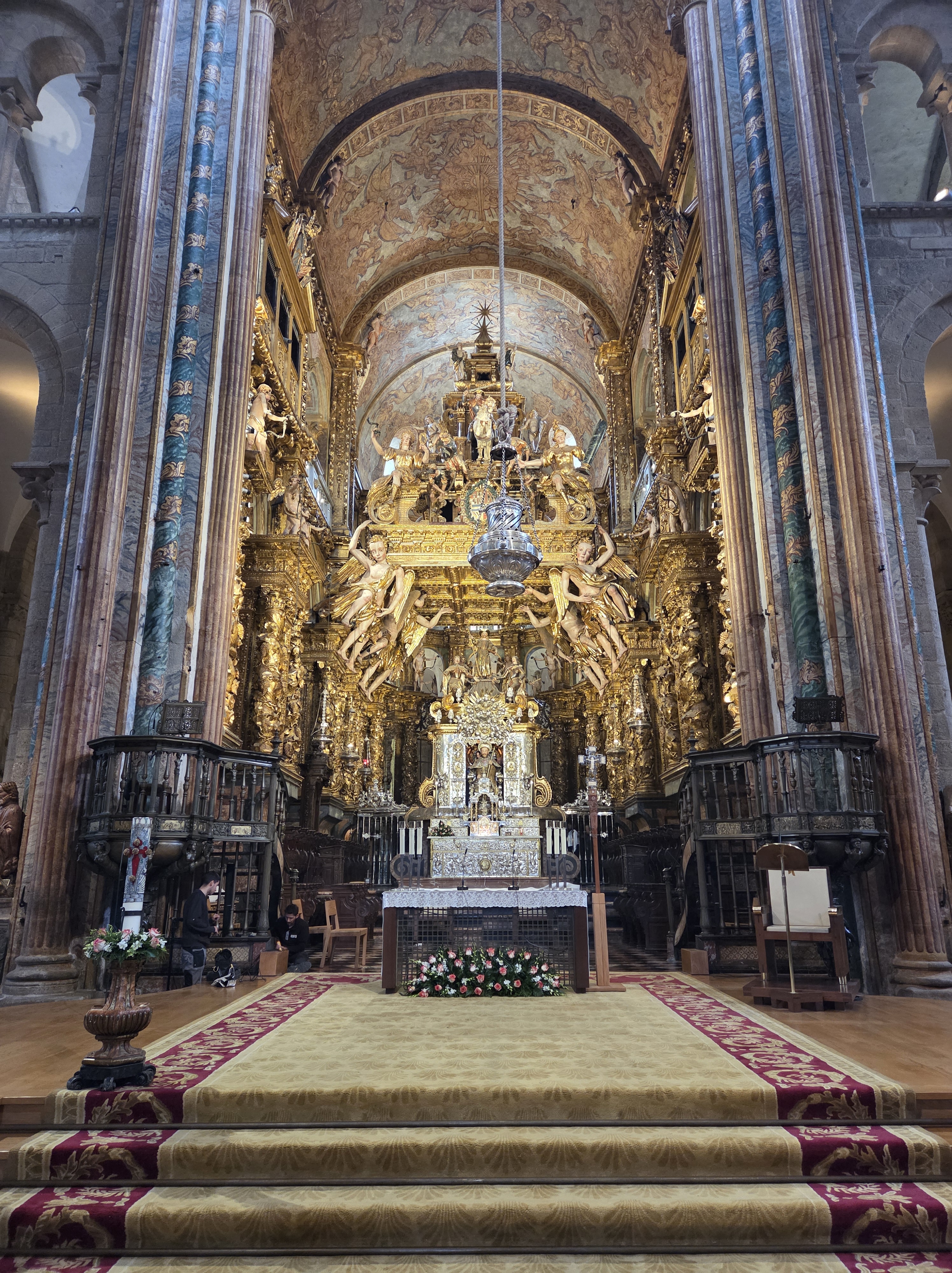
After hugs, you attend the pilgrims’ mass and get lucky enough to see the botafumeiro in action.

Next, you pick up the Compestela.

Then wander and find your bed for the night.

And that’s a wrap.

Day 36: Palas de Rei to Ribadiso

Early morning shot of Iglesia de San Xulián.

Here comes the sun.

A medieval bridge, Ponte de San Xoán, crosses the Río Furelos.

The hórreo at my albergue for the night.

The restored buildings of the Ribadiso de Ponte Hospital are a welcoming site letting you know you’ve arrived.

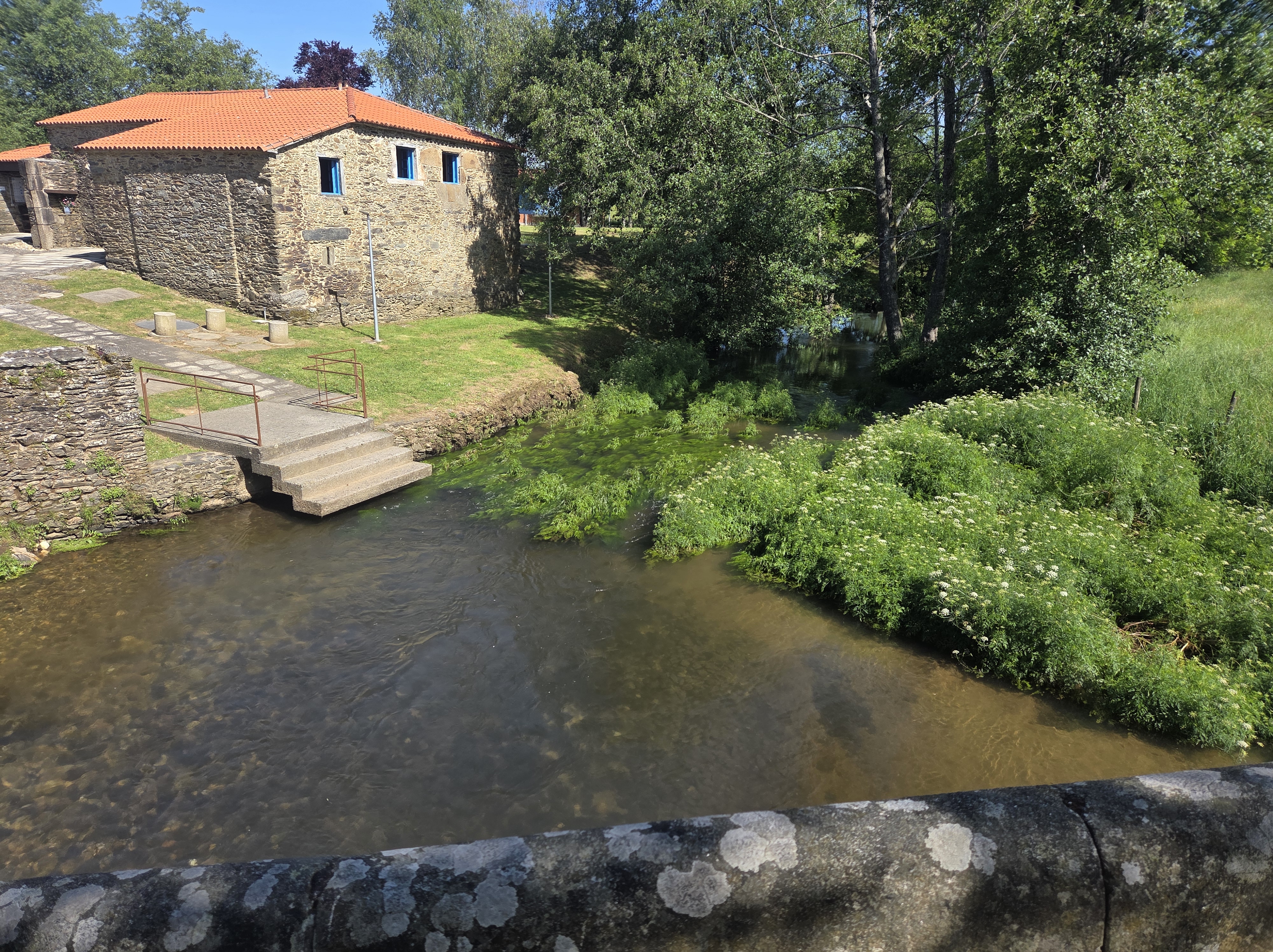
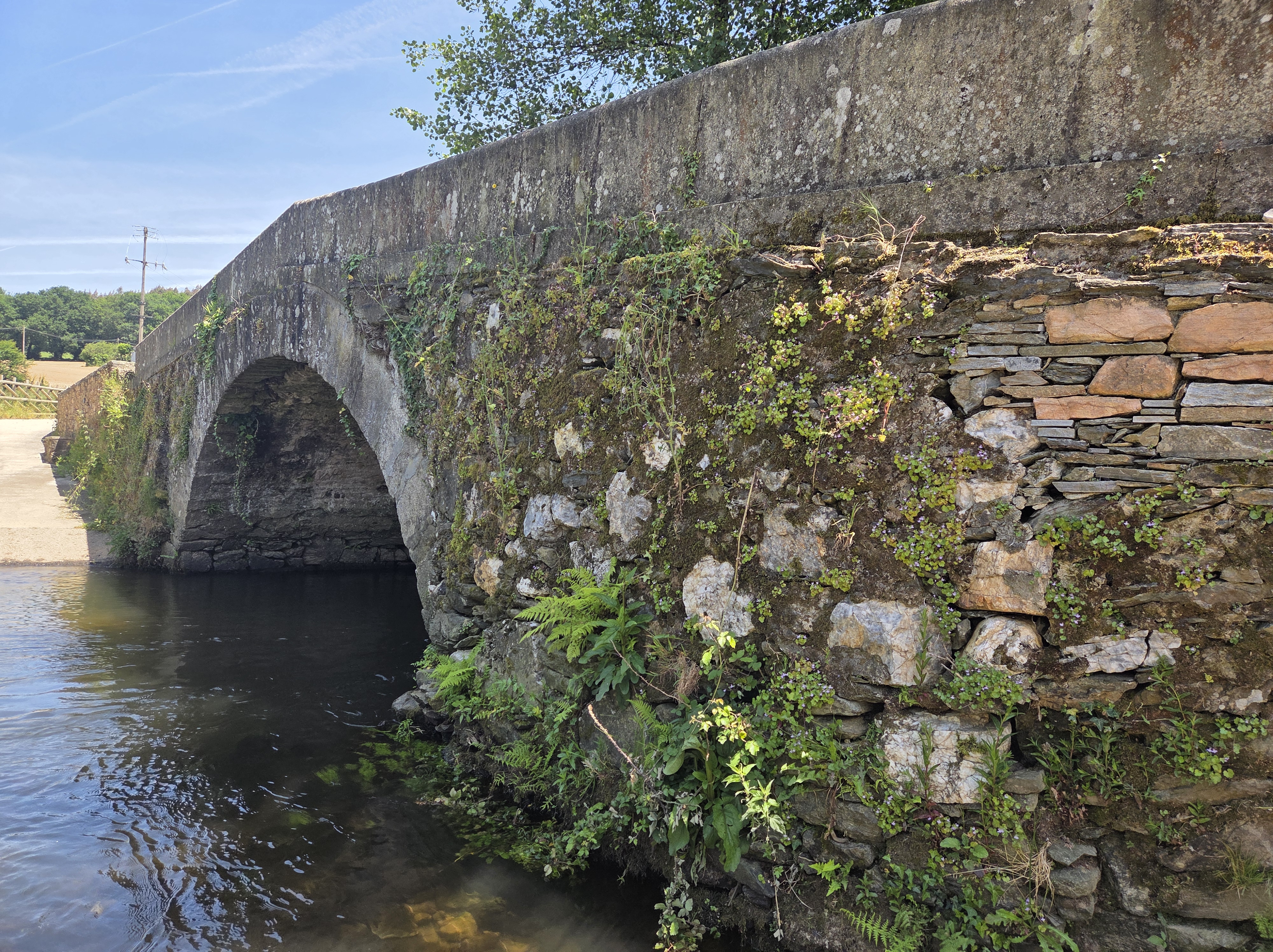
Ponte medieval de Ribadiso, built in the 12th century, is considered a favorite bucolic spot on the Camino.

Sitting along the cool rushing water of the Río Iso is relaxing and enjoyable.